
Java异常体系结构核心解析-Throwable
资料不在于多,而在于精。好资料、好书,我们站在巨人的肩膀上前行,可以少走很多弯路。
通过搜索引擎找到自己需要的最好最权威信息,是一种很重要的能力。
Java源代码和官方资料Java™ Tutorials
Java异常体系结构,是一种分层/层次结构树模型。
异常的根类是 java.lang.Throwable,核心数据结构/模型和实现都在于此类。了解她们对理解异常信息很关键。
其子类 java.lang.Exception、java.lang.RuntimeException、java.lang.Error 都是标签类。
java.lang.Throwable
Throwable 是异常的根类,核心数据结构/模型和实现都在于此类。了解她们对理解异常信息很关键。
/*** The {@code Throwable} class is the superclass of all errors and* exceptions in the Java language. Only objects that are instances of this* class (or one of its subclasses) are thrown by the Java Virtual Machine or* can be thrown by the Java {@code throw} statement. Similarly, only* this class or one of its subclasses can be the argument type in a* {@code catch} clause.** For the purposes of compile-time checking of exceptions, {@code* Throwable} and any subclass of {@code Throwable} that is not also a* subclass of either {@link RuntimeException} or {@link Error} are* regarded as checked exceptions.** <p>Instances of two subclasses, {@link java.lang.Error} and* {@link java.lang.Exception}, are conventionally used to indicate* that exceptional situations have occurred. Typically, these instances* are freshly created in the context of the exceptional situation so* as to include relevant information (such as stack trace data).** @author  unascribed* @author  Josh Bloch (Added exception chaining and programmatic access to*          stack trace in 1.4.)* @jls 11.2 Compile-Time Checking of Exceptions* @since JDK1.0*/
public class Throwable implements Serializable {/*** Specific details about the Throwable.*/private String detailMessage;/*** The throwable that caused this throwable to get thrown, or null if this* throwable was not caused by another throwable, or if the causative* throwable is unknown.*/private Throwable cause = this;/*** The stack trace, as returned by {@link #getStackTrace()}.*/private StackTraceElement[] stackTrace = UNASSIGNED_STACK;/*** The list of suppressed exceptions, as returned by {@link #getSuppressed()}.*/private List<Throwable> suppressedExceptions = SUPPRESSED_SENTINEL;/** Caption  for labeling causative exception stack traces */private static final String CAUSE_CAPTION = "Caused by: ";/** Caption for labeling suppressed exception stack traces */private static final String SUPPRESSED_CAPTION = "Suppressed: ";/*** Constructs a new throwable with the specified detail message and* cause.  <p>Note that the detail message associated with* {@code cause} is <i>not</i> automatically incorporated in* this throwable's detail message.** <p>The {@link #fillInStackTrace()} method is called to initialize* the stack trace data in the newly created throwable.*/public Throwable(String message, Throwable cause) {fillInStackTrace();detailMessage = message;this.cause = cause;}/*** Returns a short description of this throwable.* The result is the concatenation of:* <ul>* <li> the {@linkplain Class#getName() name} of the class of this object* <li> ": " (a colon and a space)* <li> the result of invoking this object's {@link #getLocalizedMessage}*      method* </ul>* If {@code getLocalizedMessage} returns {@code null}, then just* the class name is returned.*/public String toString() {String s = getClass().getName();String message = getLocalizedMessage();return (message != null) ? (s + ": " + message) : s;}private void printStackTrace(PrintStreamOrWriter s) {// Guard against malicious overrides of Throwable.equals by// using a Set with identity equality semantics.Set<Throwable> dejaVu =Collections.newSetFromMap(new IdentityHashMap<Throwable, Boolean>());dejaVu.add(this);synchronized (s.lock()) {// Print our stack traces.println(this);StackTraceElement[] trace = getOurStackTrace();for (StackTraceElement traceElement : trace)s.println("\tat " + traceElement);// Print suppressed exceptions, if anyfor (Throwable se : getSuppressed())se.printEnclosedStackTrace(s, trace, SUPPRESSED_CAPTION, "\t", dejaVu);// Print cause, if anyThrowable ourCause = getCause();if (ourCause != null)ourCause.printEnclosedStackTrace(s, trace, CAUSE_CAPTION, "", dejaVu);}}}
java.lang.StackTraceElement
其中 StackTraceElement 表示调用栈跟踪元素,了解其核心数据结构/模型对理解异常信息也很关键。
/*** An element in a stack trace, as returned by {@link* Throwable#getStackTrace()}.  Each element represents a single stack frame.* All stack frames except for the one at the top of the stack represent* a method invocation.  The frame at the top of the stack represents the* execution point at which the stack trace was generated.  Typically,* this is the point at which the throwable corresponding to the stack trace* was created.** @since  1.4* @author Josh Bloch*/
public final class StackTraceElement implements java.io.Serializable {private String declaringClass;private String methodName;private String fileName;private int    lineNumber;/*** Creates a stack trace element representing the specified execution* point.*/public StackTraceElement(String declaringClass, String methodName,String fileName, int lineNumber) {this.declaringClass = Objects.requireNonNull(declaringClass, "Declaring class is null");this.methodName     = Objects.requireNonNull(methodName, "Method name is null");this.fileName       = fileName;this.lineNumber     = lineNumber;}/*** Returns a string representation of this stack trace element.  The* format of this string depends on the implementation, but the following* examples may be regarded as typical:* <ul>* <li>*   {@code "MyClass.mash(MyClass.java:9)"} - Here, {@code "MyClass"}*   is the <i>fully-qualified name</i> of the class containing the*   execution point represented by this stack trace element,*   {@code "mash"} is the name of the method containing the execution*   point, {@code "MyClass.java"} is the source file containing the*   execution point, and {@code "9"} is the line number of the source*   line containing the execution point.* <li>*   {@code "MyClass.mash(MyClass.java)"} - As above, but the line*   number is unavailable.* <li>*   {@code "MyClass.mash(Unknown Source)"} - As above, but neither*   the file name nor the line  number are available.* <li>*   {@code "MyClass.mash(Native Method)"} - As above, but neither*   the file name nor the line  number are available, and the method*   containing the execution point is known to be a native method.* </ul>* @see    Throwable#printStackTrace()*/public String toString() {return getClassName() + "." + methodName +(isNativeMethod() ? "(Native Method)" :(fileName != null && lineNumber >= 0 ?"(" + fileName + ":" + lineNumber + ")" :(fileName != null ?  "("+fileName+")" : "(Unknown Source)")));}}
异常日志解读示例
实践出真知识,才能真正地理解!
异常日志解读
com.alibaba.xxx.xxx.common.exception.ServiceException: waybill rule is null by DISTRIBUTOR_30474702at com.alibaba.xxx.xxx.biz.common.WaybillAssistUtils.getExportWaybillRuleDO(WaybillAssistUtils.java:239)第一行日志
com.alibaba.xxx.xxx.common.exception.ServiceException: waybill rule is null by DISTRIBUTOR_30474702
// 参考 java.lang.Throwable#toString
getClass().getName():com.alibaba.xxx.xxx.common.exception.ServiceException
getLocalizedMessage()=detailMessage:waybill rule is null by DISTRIBUTOR_30474702第二行日志at com.alibaba.xxx.xxx.biz.common.WaybillAssistUtils.getExportWaybillRuleDO(WaybillAssistUtils.java:239)
// 参考 java.lang.Throwable#printStackTrace(java.lang.Throwable.PrintStreamOrWriter)
//            StackTraceElement[] trace = getOurStackTrace();
//            for (StackTraceElement traceElement : trace)
//                s.println("\tat " + traceElement);
"\tat ":	at
traceElement:com.alibaba.xxx.xxx.biz.common.WaybillAssistUtils.getExportWaybillRuleDO(WaybillAssistUtils.java:239)
// 参考 java.lang.StackTraceElement#toString
getClassName() + "." + methodName:com.alibaba.xxx.xxx.biz.common.WaybillAssistUtils.getExportWaybillRuleDO
getClassName()=declaringClass:com.alibaba.xxx.xxx.biz.common.WaybillAssistUtils
methodName:getExportWaybillRuleDO
"(" + fileName + ":" + lineNumber + ")":(WaybillAssistUtils.java:239)
fileName:WaybillAssistUtils.java
lineNumber:239
进阶阅读资料
- Java语言规范和源代码
- 官方资料Java™ Tutorials - https://docs.oracle.com/javase/tutorial/
- Java™ Tutorials 的 Lesson: Exceptions 对异常体系讲解的通俗易懂 - https://docs.oracle.com/javase/tutorial/essential/exceptions/index.html
祝大家玩得开心!ˇˍˇ
简放,杭州
相关文章:

Java异常体系结构核心解析-Throwable
资料不在于多,而在于精。好资料、好书,我们站在巨人的肩膀上前行,可以少走很多弯路。 通过搜索引擎找到自己需要的最好最权威信息,是一种很重要的能力。 Java源代码和官方资料Java™ Tutorials Java异常体系结构,是一种…...

Android MediaRecorder 相关
Android MediaRecorder 相关 本篇文章主要介绍下MediaRecorder类. 1:创建对象 MediaRecorder mediaRecordernew MediaRecorder();MediaRecorder可以直接通过无参构造直接创建对象. 2: 音频源 通过调用setAudioSource(int audio_source)来设置音频源,可以是麦克风.音频文件…...
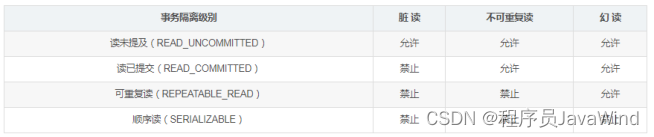
Spring中关于事务的一些方方面面
事务隔离级别: 先了解一些事务隔离级别有哪些: 未提交读(Read Uncommitted): 允许脏读,也就是可能读取到其他会话中未提交事务修改的数据 提交读(Read Committed): 只能读取到已经提交的数据。Oracle等多数数据库默…...
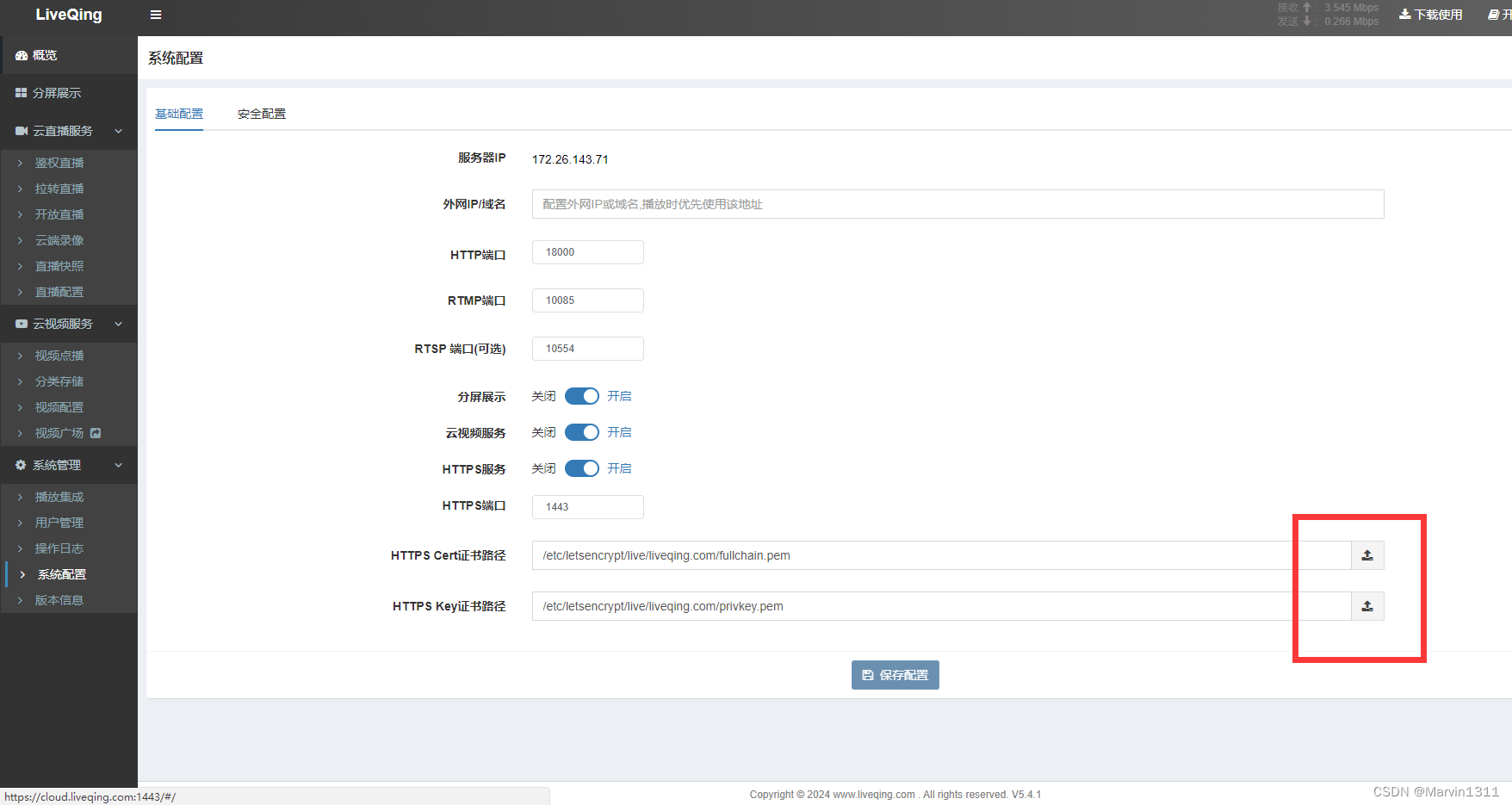
LiveQing视频点播流媒体RTMP推流服务功能-支持配置开启 HTTPS 服务什么时候需要开启HTTPS服务
LiveQing视频点播流媒体RTMP推流服务功能支持配置开启 HTTPS 服务什么时候需要开启HTTPS服务 1、配置开启HTTPS1.1、准备https证书1.1.1、选择Nginx类型证书下载 1.2、配置 开启 HTTPS1.2.1 web页面配置1.2.2 配置文件配置 2、验证HTTPS服务3、为什么要开启HTTPS3.1、安全性要求…...

LabVIEW串口通信的激光器模块智能控制
LabVIEW串口通信的激光器模块智能控制 介绍了通过于LabVIEW的VISA串口通信技术在激光器模块控制中的应用。通过研究VISA串口通信的方法和流程,实现了对激光器模块的有效控制,解决了数据发送格式的匹配问题,为激光器模块的智能控制提供了一种…...
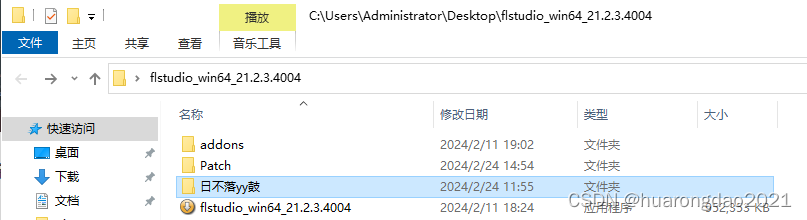
全球最受欢迎的DAWFL Studio 21.2.3.4004 中文破解版强悍来袭
1997年是一个「古老」的年代,那时人们还在用「猫」上网,微信、QQ的江湖被ICQ统治,音乐编辑领域 Cool Edit 如日中天。这一年 ,FL Studio 的前身 FruityLoops 在比利时问世,26年来,FL已成长为全球最受欢迎的…...

【uni-app】常用组件和 API
常用组件 uni-app 为开发者提供了一系列基础组件,类似 HTML 里的基础标签元素,但 uni-app 的组件与 HTML 不同,而是与小程序相同,更适合手机端使用。 虽然不推荐使用 HTML 标签,但实际上如果开发者写了div等标签&…...

基于springboot+vue的安康旅游网站(前后端分离)
博主主页:猫头鹰源码 博主简介:Java领域优质创作者、CSDN博客专家、阿里云专家博主、公司架构师、全网粉丝5万、专注Java技术领域和毕业设计项目实战,欢迎高校老师\讲师\同行交流合作 主要内容:毕业设计(Javaweb项目|小程序|Pyt…...

monaco脚本编辑器 在无界中使用 鼠标点击不到
背景A项目使用无界引入B项目 经排查,是B使用的的monaco脚本编辑器无法在A的无界框架中引入的问题。 经查询,需要修改monaco源码来使之能在无界中使用。 解决方案:https://github.com/Tencent/wujie/issues/205。 有三种解决方案: …...
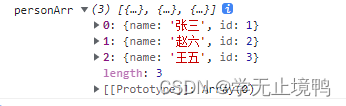
react中修改state中的值无效?
// 初始化state state {personArr:[{name:张三,id:1},{name:李四,id:2},{name:王五,id:3}] }componentDidMount(){const newName 赵六const indexUpdate 1const newArr this.state.personArr.map((item,index)>{if(indexUpdate index){return {...item,name:newName}}e…...
在Node.js中如何实现用户身份验证和授权
当涉及到构建安全的应用程序时,用户身份验证和授权是至关重要的一环。在Node.js中,我们可以利用一些流行的库和技术来实现这些功能,确保我们的应用程序具有所需的安全性。本篇博客将介绍如何在Node.js中实现用户身份验证和授权。 用户身份验…...
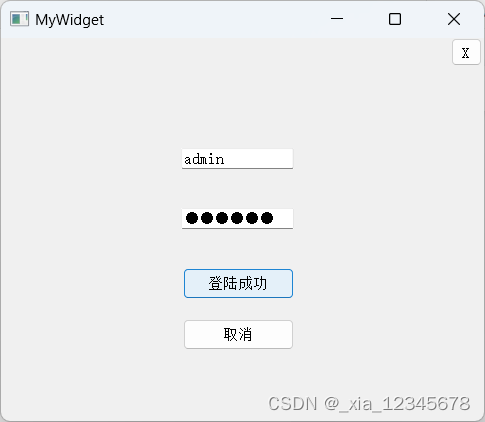
QT day2 2.21
1.使用手动连接,将登录框中的取消按钮使用qt4版本的连接到自定义的槽函数中,在自定义的槽函数中调用关闭函数 代码: #include "mywidget.h" #include "ui_mywidget.h"MyWidget::MyWidget(QWidget *parent): QWidget(pa…...

说说设备像素、css像素、设备独立像素、dpr、ppi 之间的区别
文章目录 一、背景二、介绍CSS像素设备像素设备独立像素dprppi 三、总结参考文献 一、背景 在css中我们通常使用px作为单位,在PC浏览器中css的1个像素都是对应着电脑屏幕的1个物理像素 这会造成一种错觉,我们会认为css中的像素就是设备的物理像素 但实…...

文生视频Sora
Sora:scalable diffusion models with transformers 文生视频模型 Sora:视频生成模型60s,视频中体现一定的物理逻辑 时空patch,是Sora创新的核心。 Sora 到底是不是物理引擎甚至世界模型?数据驱动的物理引擎 帆船在水里…...
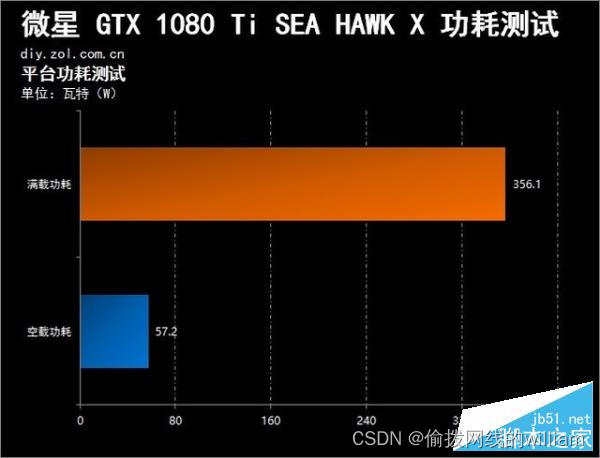
汽车常识网:电脑主机如何算功率的计算方法?
今天汽车知识网就给大家讲解一下如何计算一台主机的功率。 它还会解释如何计算计算机主机所需的功率? ? (如何计算电脑主机所需的功率)进行说明。 如果它恰好解决了您现在面临的问题,请不要忘记关注本站。 让我们现在就…...

c语言常见操作符及操作符优先级
目录 概述1. 算术操作符:2. 关系操作符:3. 逻辑操作符:4. 位操作符: *常见操作符优先级* 概述 C语言中有多种操作符,用于执行不同的操作。下面是一些常见的C语言操作符以及示例代码: 1. 算术操作符&…...
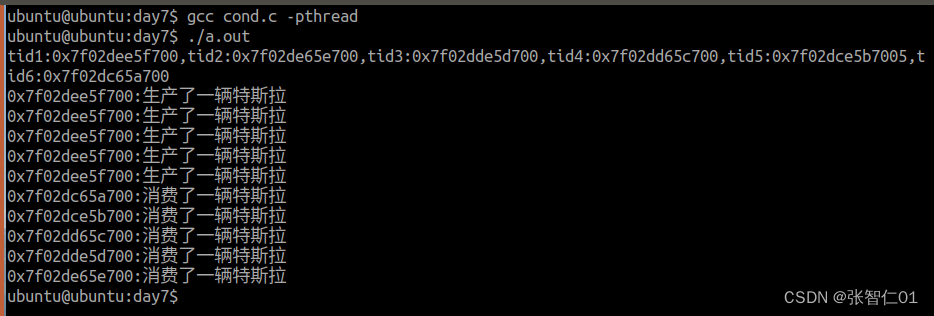
IO进程线程:通信
1.定义互斥锁 #include<myhead.h>int num520;//临界资源//1.创建一个互斥锁变量 pthread_mutex_t mutex;//定义任务1函数 void *task1(void *arg) {printf("11111111111111\n");//3.获取锁资源pthread_mutex_lock(&mutex);num1314;sleep(3);pr…...
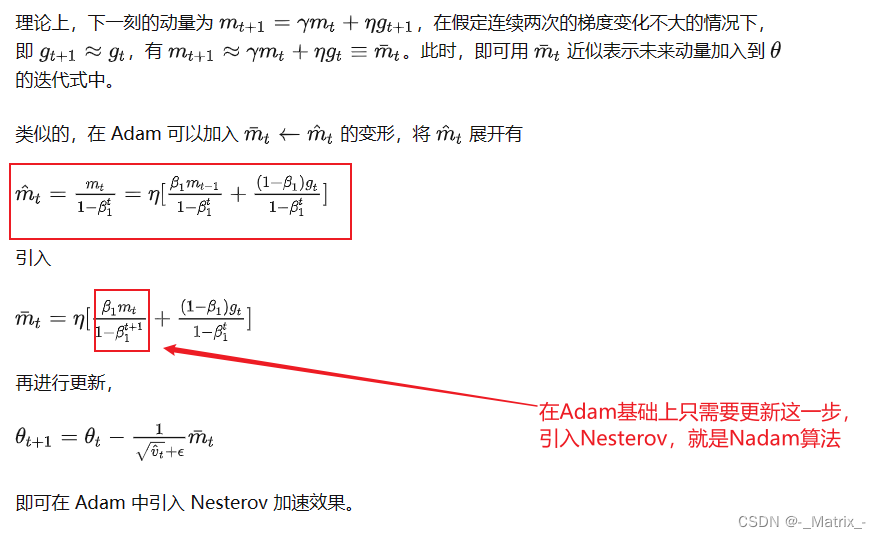
神经网络系列---常用梯度下降算法
文章目录 常用梯度下降算法随机梯度下降(Stochastic Gradient Descent,SGD):随机梯度下降数学公式:代码演示 批量梯度下降(Batch Gradient Descent)批量梯度下降数学公式:代码演示 小…...
)
Flink 的历史版本特性介绍(一)
如果你还不了解 Flink 是什么,可以查看我之前的介绍文章:Flink 介绍 如果你想跟着我一起学习 flink,欢迎查看订阅专栏:Flink 专栏 这篇文章列举了 Flink 每次发布的版本中的重要特性,从中可以看出 Flink 是如何一步一步发展到今天的。 Flink 的前身是 Stratosphere 项目…...
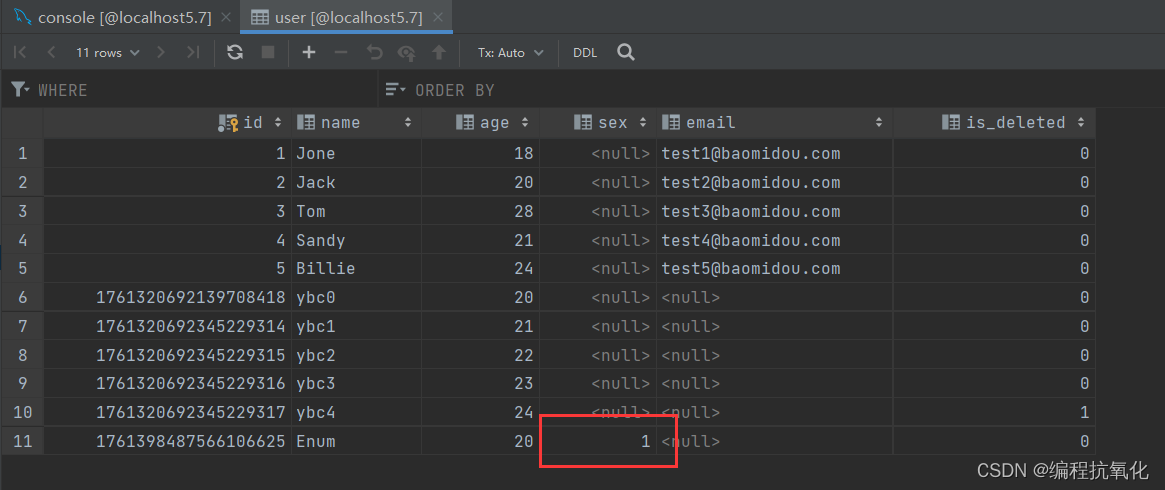
【尚硅谷】MybatisPlus 学习笔记(下)
目录 六、插件 6.1、分页插件 6.1.1、添加配置类 6.1.2、测试 6.2、xml自定义分页 6.2.1、UserMapper中定义接口方法 6.2.2、UserMapper.xml中编写SQL 6.2.3、测试 6.3、乐观锁 6.3.1、场景 6.3.2、乐观锁与悲观锁 6.3.3、模拟修改冲突 数据库中增加商品表 添加数…...

Git工作流程与常用指令——从本地开发到远程协作
Git工作流程与常用指令——从本地开发到远程协作 作者:Ye Shun 日期:2026-04-22 一、前言 对于很多初学者来说,Git 最让人困惑的地方并不是“命令太多”,而是: 不知道代码现在在哪个阶段不清楚什么时候该 add不明白 co…...

Python 协程任务超时机制
Python协程任务超时机制:高效控制异步执行的艺术 在异步编程中,协程任务的执行时长往往不可预测。网络请求可能因服务器响应缓慢而阻塞,数据库查询可能因锁竞争而延迟。Python的协程任务超时机制为解决这类问题提供了优雅方案,既…...

STM32/GD32烧录失败别慌:手把手教你用BOOT0引脚和Keil的‘under Reset’模式救砖
STM32/GD32烧录失败自救指南:从硬件短接到调试模式全解析 第一次遇到芯片无法烧录的情况时,那种手足无措的感觉我至今记忆犹新。开发板静静地躺在桌面上,Keil里不断弹出的错误提示仿佛在嘲笑我的无能。但别担心,这几乎是每个嵌入式…...

企业级RAG系统 重磅开源
基于 Spring Boot 和 LangChain4j 的企业级 RAG(检索增强生成)智能系统 一、项目总体概述 1.1 项目定位 isy-rag-agent 是一套企业级 RAG 智能对话系统,集成了大语言模型(LLM)、向量检索、知识库管理、FAQ 问答、工具…...

哈氏训练助力孩子克服作业拖延症与情绪表达困难
哈氏训练在克服作业拖延症中的应用与效果分析 哈氏训练是一种有效的方式,旨在帮助孩子面对作业拖延症。这种训练方法通过结构化的任务管理技巧,帮助孩子建立良好的学习习惯。在训练过程中,孩子学会将大任务分解为小步骤,从而减轻心…...

ArknightsGameResource:如何通过完整素材库提升明日方舟二次创作效率
ArknightsGameResource:如何通过完整素材库提升明日方舟二次创作效率 【免费下载链接】ArknightsGameResource 明日方舟客户端素材 项目地址: https://gitcode.com/gh_mirrors/ar/ArknightsGameResource 在明日方舟的二次创作生态中,无论是开发机…...

终极指南:3分钟掌握Easy-Scraper,用HTML思维轻松提取网页数据
终极指南:3分钟掌握Easy-Scraper,用HTML思维轻松提取网页数据 【免费下载链接】easy-scraper Easy scraping library 项目地址: https://gitcode.com/gh_mirrors/ea/easy-scraper 还在为复杂的CSS选择器和XPath语法头疼吗?Easy-Scrape…...

从MATLAB仿真到Simulink实战:如何用PCM+2PSK搭建一个简易的语音通信系统模型
从MATLAB仿真到Simulink实战:构建PCM2PSK语音通信系统全链路模型 在数字通信系统的学习过程中,许多工程师都会遇到一个共同困境:虽然能够理解单个模块的原理,却难以将这些模块串联成一个完整的通信链路。本文将带您跨越理论与实践…...

别再手动拼接字符串了!Spring AI PromptTemplate实战:5分钟搞定电商客服对话模板
电商客服对话模板革命:Spring AI PromptTemplate高效实践指南 电商客服系统每天需要处理海量的用户咨询,从订单查询到商品退换货,再到物流追踪和支付问题。传统基于字符串拼接的对话模板开发方式,不仅效率低下,而且难以…...

别再搞混了!博图SCL实现FIFO时,数组越界和逆序输出的两个关键坑点解析
博图SCL实现FIFO时数组越界与逆序输出的深度避坑指南 在工业自动化编程中,FIFO(先进先出)队列是最基础也最常用的数据结构之一。许多TIA Portal开发者在使用SCL语言实现FIFO功能时,往往会在两个关键环节栽跟头:数组索引…...