
Linux内核链表(list)移植到任意平台
一、前言
linux内核链表在include/linux/list.h文件中,内核中实现的链表比较简洁,实用性很强,因此想把它单独移植出来使用。
内核中的代码只能使用gnuc编译器编译,stdc编译器编译是会报错的,主要是因为typeof这个宏是gnuc特有的扩展,stdc中没有此扩展。
本篇文章就是来解决这个问题的,移植得到一个在stdc下运行的list,方便其他平台使用。
二、移植过程
-
1、将
include/linux/list.h单独扣出来,保存为list.h文件。 -
2、修改头文件,并添加
list_head的定义,还有部分宏定义,以下为添加部分:#include <stdbool.h> #include <stddef.h>struct list_head {struct list_head *next, *prev; };struct hlist_head {struct hlist_node *first; };struct hlist_node {struct hlist_node *next, **pprev; };#define WRITE_ONCE(var, val) ((var) = (val)) #define READ_ONCE(var) (var)/* container_of */ #ifndef offsetof #define offsetof(type, member) (size_t)(&((type*)0)->member) #endif #define container_of(ptr, type, member) ((type *)((char *)(ptr) - offsetof(type, member)))修改并添加了以下宏,改完后可以在stdc下编译:
- 1、
WRITE_ONCE和READ_ONCE。 - 2、
container_of,去除了typeof的使用。
- 1、
-
3、删除所有使用
typeof的定义,将以下所有使用到typeof的代码删除:
/*** list_next_entry - get the next element in list* @pos:	the type * to cursor* @member:	the name of the list_head within the struct.*/
#define list_next_entry(pos, member) \list_entry((pos)->member.next, typeof(*(pos)), member)/*** list_prev_entry - get the prev element in list* @pos:	the type * to cursor* @member:	the name of the list_head within the struct.*/
#define list_prev_entry(pos, member) \list_entry((pos)->member.prev, typeof(*(pos)), member)/*** list_for_each_entry	-	iterate over list of given type* @pos:	the type * to use as a loop cursor.* @head:	the head for your list.* @member:	the name of the list_head within the struct.*/
#define list_for_each_entry(pos, head, member)				\for (pos = list_first_entry(head, typeof(*pos), member);	\&pos->member != (head);					\pos = list_next_entry(pos, member))/*** list_for_each_entry_reverse - iterate backwards over list of given type.* @pos:	the type * to use as a loop cursor.* @head:	the head for your list.* @member:	the name of the list_head within the struct.*/
#define list_for_each_entry_reverse(pos, head, member)			\for (pos = list_last_entry(head, typeof(*pos), member);		\&pos->member != (head); 					\pos = list_prev_entry(pos, member))/*** list_prepare_entry - prepare a pos entry for use in list_for_each_entry_continue()* @pos:	the type * to use as a start point* @head:	the head of the list* @member:	the name of the list_head within the struct.** Prepares a pos entry for use as a start point in list_for_each_entry_continue().*/
#define list_prepare_entry(pos, head, member) \((pos) ? : list_entry(head, typeof(*pos), member))/*** list_for_each_entry_safe - iterate over list of given type safe against removal of list entry* @pos:	the type * to use as a loop cursor.* @n:		another type * to use as temporary storage* @head:	the head for your list.* @member:	the name of the list_head within the struct.*/
#define list_for_each_entry_safe(pos, n, head, member)			\for (pos = list_first_entry(head, typeof(*pos), member),	\n = list_next_entry(pos, member);			\&pos->member != (head); 					\pos = n, n = list_next_entry(n, member))/*** list_for_each_entry_safe_reverse - iterate backwards over list safe against removal* @pos:	the type * to use as a loop cursor.* @n:		another type * to use as temporary storage* @head:	the head for your list.* @member:	the name of the list_head within the struct.** Iterate backwards over list of given type, safe against removal* of list entry.*/
#define list_for_each_entry_safe_reverse(pos, n, head, member)		\for (pos = list_last_entry(head, typeof(*pos), member),		\n = list_prev_entry(pos, member);			\&pos->member != (head); 					\pos = n, n = list_prev_entry(n, member))#define hlist_entry_safe(ptr, type, member) \({ typeof(ptr) ____ptr = (ptr); \____ptr ? hlist_entry(____ptr, type, member) : NULL; \})/*** hlist_for_each_entry	- iterate over list of given type* @pos:	the type * to use as a loop cursor.* @head:	the head for your list.* @member:	the name of the hlist_node within the struct.*/
#define hlist_for_each_entry(pos, head, member)				\for (pos = hlist_entry_safe((head)->first, typeof(*(pos)), member);\pos;							\pos = hlist_entry_safe((pos)->member.next, typeof(*(pos)), member))/*** hlist_for_each_entry_continue - iterate over a hlist continuing after current point* @pos:	the type * to use as a loop cursor.* @member:	the name of the hlist_node within the struct.*/
#define hlist_for_each_entry_continue(pos, member)			\for (pos = hlist_entry_safe((pos)->member.next, typeof(*(pos)), member);\pos;							\pos = hlist_entry_safe((pos)->member.next, typeof(*(pos)), member))/*** hlist_for_each_entry_from - iterate over a hlist continuing from current point* @pos:	the type * to use as a loop cursor.* @member:	the name of the hlist_node within the struct.*/
#define hlist_for_each_entry_from(pos, member)				\for (; pos;							\pos = hlist_entry_safe((pos)->member.next, typeof(*(pos)), member))/*** hlist_for_each_entry_safe - iterate over list of given type safe against removal of list entry* @pos:	the type * to use as a loop cursor.* @n:		another &struct hlist_node to use as temporary storage* @head:	the head for your list.* @member:	the name of the hlist_node within the struct.*/
#define hlist_for_each_entry_safe(pos, n, head, member) 		\for (pos = hlist_entry_safe((head)->first, typeof(*pos), member);\pos && ({ n = pos->member.next; 1; });			\pos = hlist_entry_safe(n, typeof(*pos), member))
至此,移植完成。
三、移植好的list.h文件
/* SPDX-License-Identifier: GPL-2.0 */
#ifndef _LINUX_LIST_H
#define _LINUX_LIST_H#include <stdbool.h>
#include <stddef.h>struct list_head {struct list_head *next, *prev;
};struct hlist_head {struct hlist_node *first;
};struct hlist_node {struct hlist_node *next, **pprev;
};#define WRITE_ONCE(var, val)    ((var) = (val))
#define READ_ONCE(var)          (var)/* container_of */
#ifndef offsetof
#define offsetof(type, member)  (size_t)(&((type*)0)->member)
#endif
#define container_of(ptr, type, member)     ((type *)((char *)(ptr) - offsetof(type, member)))/** Circular doubly linked list implementation.** Some of the internal functions ("__xxx") are useful when* manipulating whole lists rather than single entries, as* sometimes we already know the next/prev entries and we can* generate better code by using them directly rather than* using the generic single-entry routines.*/#define LIST_HEAD_INIT(name) { &(name), &(name) }#define LIST_HEAD(name) \struct list_head name = LIST_HEAD_INIT(name)/*** INIT_LIST_HEAD - Initialize a list_head structure* @list: list_head structure to be initialized.** Initializes the list_head to point to itself.  If it is a list header,* the result is an empty list.*/
static inline void INIT_LIST_HEAD(struct list_head *list)
{WRITE_ONCE(list->next, list);list->prev = list;
}static inline bool __list_add_valid(struct list_head *new,struct list_head *prev,struct list_head *next)
{return true;
}
static inline bool __list_del_entry_valid(struct list_head *entry)
{return true;
}/** Insert a new entry between two known consecutive entries.** This is only for internal list manipulation where we know* the prev/next entries already!*/
static inline void __list_add(struct list_head *new,struct list_head *prev,struct list_head *next)
{if (!__list_add_valid(new, prev, next))return;next->prev = new;new->next = next;new->prev = prev;WRITE_ONCE(prev->next, new);
}/*** list_add - add a new entry* @new: new entry to be added* @head: list head to add it after** Insert a new entry after the specified head.* This is good for implementing stacks.*/
static inline void list_add(struct list_head *new, struct list_head *head)
{__list_add(new, head, head->next);
}/*** list_add_tail - add a new entry* @new: new entry to be added* @head: list head to add it before** Insert a new entry before the specified head.* This is useful for implementing queues.*/
static inline void list_add_tail(struct list_head *new, struct list_head *head)
{__list_add(new, head->prev, head);
}/** Delete a list entry by making the prev/next entries* point to each other.** This is only for internal list manipulation where we know* the prev/next entries already!*/
static inline void __list_del(struct list_head * prev, struct list_head * next)
{next->prev = prev;WRITE_ONCE(prev->next, next);
}/** Delete a list entry and clear the 'prev' pointer.** This is a special-purpose list clearing method used in the networking code* for lists allocated as per-cpu, where we don't want to incur the extra* WRITE_ONCE() overhead of a regular list_del_init(). The code that uses this* needs to check the node 'prev' pointer instead of calling list_empty().*/
static inline void __list_del_clearprev(struct list_head *entry)
{__list_del(entry->prev, entry->next);entry->prev = NULL;
}static inline void __list_del_entry(struct list_head *entry)
{if (!__list_del_entry_valid(entry))return;__list_del(entry->prev, entry->next);
}/*** list_del - deletes entry from list.* @entry: the element to delete from the list.* Note: list_empty() on entry does not return true after this, the entry is* in an undefined state.*/
static inline void list_del(struct list_head *entry)
{__list_del_entry(entry);entry->next = NULL;entry->prev = NULL;
}/*** list_replace - replace old entry by new one* @old : the element to be replaced* @new : the new element to insert** If @old was empty, it will be overwritten.*/
static inline void list_replace(struct list_head *old,struct list_head *new)
{new->next = old->next;new->next->prev = new;new->prev = old->prev;new->prev->next = new;
}/*** list_replace_init - replace old entry by new one and initialize the old one* @old : the element to be replaced* @new : the new element to insert** If @old was empty, it will be overwritten.*/
static inline void list_replace_init(struct list_head *old,struct list_head *new)
{list_replace(old, new);INIT_LIST_HEAD(old);
}/*** list_swap - replace entry1 with entry2 and re-add entry1 at entry2's position* @entry1: the location to place entry2* @entry2: the location to place entry1*/
static inline void list_swap(struct list_head *entry1,struct list_head *entry2)
{struct list_head *pos = entry2->prev;list_del(entry2);list_replace(entry1, entry2);if (pos == entry1)pos = entry2;list_add(entry1, pos);
}/*** list_del_init - deletes entry from list and reinitialize it.* @entry: the element to delete from the list.*/
static inline void list_del_init(struct list_head *entry)
{__list_del_entry(entry);INIT_LIST_HEAD(entry);
}/*** list_move - delete from one list and add as another's head* @list: the entry to move* @head: the head that will precede our entry*/
static inline void list_move(struct list_head *list, struct list_head *head)
{__list_del_entry(list);list_add(list, head);
}/*** list_move_tail - delete from one list and add as another's tail* @list: the entry to move* @head: the head that will follow our entry*/
static inline void list_move_tail(struct list_head *list,struct list_head *head)
{__list_del_entry(list);list_add_tail(list, head);
}/*** list_bulk_move_tail - move a subsection of a list to its tail* @head: the head that will follow our entry* @first: first entry to move* @last: last entry to move, can be the same as first** Move all entries between @first and including @last before @head.* All three entries must belong to the same linked list.*/
static inline void list_bulk_move_tail(struct list_head *head,struct list_head *first,struct list_head *last)
{first->prev->next = last->next;last->next->prev = first->prev;head->prev->next = first;first->prev = head->prev;last->next = head;head->prev = last;
}/*** list_is_first -- tests whether @list is the first entry in list @head* @list: the entry to test* @head: the head of the list*/
static inline int list_is_first(const struct list_head *list, const struct list_head *head)
{return list->prev == head;
}/*** list_is_last - tests whether @list is the last entry in list @head* @list: the entry to test* @head: the head of the list*/
static inline int list_is_last(const struct list_head *list, const struct list_head *head)
{return list->next == head;
}/*** list_is_head - tests whether @list is the list @head* @list: the entry to test* @head: the head of the list*/
static inline int list_is_head(const struct list_head *list, const struct list_head *head)
{return list == head;
}/*** list_empty - tests whether a list is empty* @head: the list to test.*/
static inline int list_empty(const struct list_head *head)
{return READ_ONCE(head->next) == head;
}/*** list_del_init_careful - deletes entry from list and reinitialize it.* @entry: the element to delete from the list.** This is the same as list_del_init(), except designed to be used* together with list_empty_careful() in a way to guarantee ordering* of other memory operations.** Any memory operations done before a list_del_init_careful() are* guaranteed to be visible after a list_empty_careful() test.*/
static inline void list_del_init_careful(struct list_head *entry)
{__list_del_entry(entry);entry->prev = entry;WRITE_ONCE(entry->next, entry);
}/*** list_empty_careful - tests whether a list is empty and not being modified* @head: the list to test** Description:* tests whether a list is empty _and_ checks that no other CPU might be* in the process of modifying either member (next or prev)** NOTE: using list_empty_careful() without synchronization* can only be safe if the only activity that can happen* to the list entry is list_del_init(). Eg. it cannot be used* if another CPU could re-list_add() it.*/
static inline int list_empty_careful(const struct list_head *head)
{struct list_head *next = READ_ONCE(head->next);return list_is_head(next, head) && (next == head->prev);
}/*** list_rotate_left - rotate the list to the left* @head: the head of the list*/
static inline void list_rotate_left(struct list_head *head)
{struct list_head *first;if (!list_empty(head)) {first = head->next;list_move_tail(first, head);}
}/*** list_rotate_to_front() - Rotate list to specific item.* @list: The desired new front of the list.* @head: The head of the list.** Rotates list so that @list becomes the new front of the list.*/
static inline void list_rotate_to_front(struct list_head *list,struct list_head *head)
{/** Deletes the list head from the list denoted by @head and* places it as the tail of @list, this effectively rotates the* list so that @list is at the front.*/list_move_tail(head, list);
}/*** list_is_singular - tests whether a list has just one entry.* @head: the list to test.*/
static inline int list_is_singular(const struct list_head *head)
{return !list_empty(head) && (head->next == head->prev);
}static inline void __list_cut_position(struct list_head *list,struct list_head *head, struct list_head *entry)
{struct list_head *new_first = entry->next;list->next = head->next;list->next->prev = list;list->prev = entry;entry->next = list;head->next = new_first;new_first->prev = head;
}/*** list_cut_position - cut a list into two* @list: a new list to add all removed entries* @head: a list with entries* @entry: an entry within head, could be the head itself*	and if so we won't cut the list** This helper moves the initial part of @head, up to and* including @entry, from @head to @list. You should* pass on @entry an element you know is on @head. @list* should be an empty list or a list you do not care about* losing its data.**/
static inline void list_cut_position(struct list_head *list,struct list_head *head, struct list_head *entry)
{if (list_empty(head))return;if (list_is_singular(head) && !list_is_head(entry, head) && (entry != head->next))return;if (list_is_head(entry, head))INIT_LIST_HEAD(list);else__list_cut_position(list, head, entry);
}/*** list_cut_before - cut a list into two, before given entry* @list: a new list to add all removed entries* @head: a list with entries* @entry: an entry within head, could be the head itself** This helper moves the initial part of @head, up to but* excluding @entry, from @head to @list.  You should pass* in @entry an element you know is on @head.  @list should* be an empty list or a list you do not care about losing* its data.* If @entry == @head, all entries on @head are moved to* @list.*/
static inline void list_cut_before(struct list_head *list,struct list_head *head,struct list_head *entry)
{if (head->next == entry) {INIT_LIST_HEAD(list);return;}list->next = head->next;list->next->prev = list;list->prev = entry->prev;list->prev->next = list;head->next = entry;entry->prev = head;
}static inline void __list_splice(const struct list_head *list,struct list_head *prev,struct list_head *next)
{struct list_head *first = list->next;struct list_head *last = list->prev;first->prev = prev;prev->next = first;last->next = next;next->prev = last;
}/*** list_splice - join two lists, this is designed for stacks* @list: the new list to add.* @head: the place to add it in the first list.*/
static inline void list_splice(const struct list_head *list,struct list_head *head)
{if (!list_empty(list))__list_splice(list, head, head->next);
}/*** list_splice_tail - join two lists, each list being a queue* @list: the new list to add.* @head: the place to add it in the first list.*/
static inline void list_splice_tail(struct list_head *list,struct list_head *head)
{if (!list_empty(list))__list_splice(list, head->prev, head);
}/*** list_splice_init - join two lists and reinitialise the emptied list.* @list: the new list to add.* @head: the place to add it in the first list.** The list at @list is reinitialised*/
static inline void list_splice_init(struct list_head *list,struct list_head *head)
{if (!list_empty(list)) {__list_splice(list, head, head->next);INIT_LIST_HEAD(list);}
}/*** list_splice_tail_init - join two lists and reinitialise the emptied list* @list: the new list to add.* @head: the place to add it in the first list.** Each of the lists is a queue.* The list at @list is reinitialised*/
static inline void list_splice_tail_init(struct list_head *list,struct list_head *head)
{if (!list_empty(list)) {__list_splice(list, head->prev, head);INIT_LIST_HEAD(list);}
}/*** list_entry - get the struct for this entry* @ptr:	the &struct list_head pointer.* @type:	the type of the struct this is embedded in.* @member:	the name of the list_head within the struct.*/
#define list_entry(ptr, type, member) \container_of(ptr, type, member)/*** list_first_entry - get the first element from a list* @ptr:	the list head to take the element from.* @type:	the type of the struct this is embedded in.* @member:	the name of the list_head within the struct.** Note, that list is expected to be not empty.*/
#define list_first_entry(ptr, type, member) \list_entry((ptr)->next, type, member)/*** list_last_entry - get the last element from a list* @ptr:	the list head to take the element from.* @type:	the type of the struct this is embedded in.* @member:	the name of the list_head within the struct.** Note, that list is expected to be not empty.*/
#define list_last_entry(ptr, type, member) \list_entry((ptr)->prev, type, member)/*** list_first_entry_or_null - get the first element from a list* @ptr:	the list head to take the element from.* @type:	the type of the struct this is embedded in.* @member:	the name of the list_head within the struct.** Note that if the list is empty, it returns NULL.*/
#define list_first_entry_or_null(ptr, type, member) ({ \struct list_head *head__ = (ptr); \struct list_head *pos__ = READ_ONCE(head__->next); \pos__ != head__ ? list_entry(pos__, type, member) : NULL; \
})/*** list_for_each	-	iterate over a list* @pos:	the &struct list_head to use as a loop cursor.* @head:	the head for your list.*/
#define list_for_each(pos, head) \for (pos = (head)->next; !list_is_head(pos, (head)); pos = pos->next)/*** list_for_each_continue - continue iteration over a list* @pos:	the &struct list_head to use as a loop cursor.* @head:	the head for your list.** Continue to iterate over a list, continuing after the current position.*/
#define list_for_each_continue(pos, head) \for (pos = pos->next; !list_is_head(pos, (head)); pos = pos->next)/*** list_for_each_prev	-	iterate over a list backwards* @pos:	the &struct list_head to use as a loop cursor.* @head:	the head for your list.*/
#define list_for_each_prev(pos, head) \for (pos = (head)->prev; !list_is_head(pos, (head)); pos = pos->prev)/*** list_for_each_safe - iterate over a list safe against removal of list entry* @pos:	the &struct list_head to use as a loop cursor.* @n:		another &struct list_head to use as temporary storage* @head:	the head for your list.*/
#define list_for_each_safe(pos, n, head) \for (pos = (head)->next, n = pos->next; \!list_is_head(pos, (head)); \pos = n, n = pos->next)/*** list_for_each_prev_safe - iterate over a list backwards safe against removal of list entry* @pos:	the &struct list_head to use as a loop cursor.* @n:		another &struct list_head to use as temporary storage* @head:	the head for your list.*/
#define list_for_each_prev_safe(pos, n, head) \for (pos = (head)->prev, n = pos->prev; \!list_is_head(pos, (head)); \pos = n, n = pos->prev)/*** list_entry_is_head - test if the entry points to the head of the list* @pos:	the type * to cursor* @head:	the head for your list.* @member:	the name of the list_head within the struct.*/
#define list_entry_is_head(pos, head, member)				\(&pos->member == (head))/*** list_for_each_entry_continue - continue iteration over list of given type* @pos:	the type * to use as a loop cursor.* @head:	the head for your list.* @member:	the name of the list_head within the struct.** Continue to iterate over list of given type, continuing after* the current position.*/
#define list_for_each_entry_continue(pos, head, member) 		\for (pos = list_next_entry(pos, member);			\!list_entry_is_head(pos, head, member);			\pos = list_next_entry(pos, member))/*** list_for_each_entry_continue_reverse - iterate backwards from the given point* @pos:	the type * to use as a loop cursor.* @head:	the head for your list.* @member:	the name of the list_head within the struct.** Start to iterate over list of given type backwards, continuing after* the current position.*/
#define list_for_each_entry_continue_reverse(pos, head, member)		\for (pos = list_prev_entry(pos, member);			\!list_entry_is_head(pos, head, member);			\pos = list_prev_entry(pos, member))/*** list_for_each_entry_from - iterate over list of given type from the current point* @pos:	the type * to use as a loop cursor.* @head:	the head for your list.* @member:	the name of the list_head within the struct.** Iterate over list of given type, continuing from current position.*/
#define list_for_each_entry_from(pos, head, member) 			\for (; !list_entry_is_head(pos, head, member);			\pos = list_next_entry(pos, member))/*** list_for_each_entry_from_reverse - iterate backwards over list of given type*                                    from the current point* @pos:	the type * to use as a loop cursor.* @head:	the head for your list.* @member:	the name of the list_head within the struct.** Iterate backwards over list of given type, continuing from current position.*/
#define list_for_each_entry_from_reverse(pos, head, member)		\for (; !list_entry_is_head(pos, head, member);			\pos = list_prev_entry(pos, member))/*** list_for_each_entry_safe_continue - continue list iteration safe against removal* @pos:	the type * to use as a loop cursor.* @n:		another type * to use as temporary storage* @head:	the head for your list.* @member:	the name of the list_head within the struct.** Iterate over list of given type, continuing after current point,* safe against removal of list entry.*/
#define list_for_each_entry_safe_continue(pos, n, head, member) 		\for (pos = list_next_entry(pos, member), 				\n = list_next_entry(pos, member);				\!list_entry_is_head(pos, head, member);				\pos = n, n = list_next_entry(n, member))/*** list_for_each_entry_safe_from - iterate over list from current point safe against removal* @pos:	the type * to use as a loop cursor.* @n:		another type * to use as temporary storage* @head:	the head for your list.* @member:	the name of the list_head within the struct.** Iterate over list of given type from current point, safe against* removal of list entry.*/
#define list_for_each_entry_safe_from(pos, n, head, member) 			\for (n = list_next_entry(pos, member);					\!list_entry_is_head(pos, head, member);				\pos = n, n = list_next_entry(n, member))/*** list_safe_reset_next - reset a stale list_for_each_entry_safe loop* @pos:	the loop cursor used in the list_for_each_entry_safe loop* @n:		temporary storage used in list_for_each_entry_safe* @member:	the name of the list_head within the struct.** list_safe_reset_next is not safe to use in general if the list may be* modified concurrently (eg. the lock is dropped in the loop body). An* exception to this is if the cursor element (pos) is pinned in the list,* and list_safe_reset_next is called after re-taking the lock and before* completing the current iteration of the loop body.*/
#define list_safe_reset_next(pos, n, member)				\n = list_next_entry(pos, member)/** Double linked lists with a single pointer list head.* Mostly useful for hash tables where the two pointer list head is* too wasteful.* You lose the ability to access the tail in O(1).*/#define HLIST_HEAD_INIT { .first = NULL }
#define HLIST_HEAD(name) struct hlist_head name = {  .first = NULL }
#define INIT_HLIST_HEAD(ptr) ((ptr)->first = NULL)
static inline void INIT_HLIST_NODE(struct hlist_node *h)
{h->next = NULL;h->pprev = NULL;
}/*** hlist_unhashed - Has node been removed from list and reinitialized?* @h: Node to be checked** Not that not all removal functions will leave a node in unhashed* state.  For example, hlist_nulls_del_init_rcu() does leave the* node in unhashed state, but hlist_nulls_del() does not.*/
static inline int hlist_unhashed(const struct hlist_node *h)
{return !h->pprev;
}/*** hlist_unhashed_lockless - Version of hlist_unhashed for lockless use* @h: Node to be checked** This variant of hlist_unhashed() must be used in lockless contexts* to avoid potential load-tearing.  The READ_ONCE() is paired with the* various WRITE_ONCE() in hlist helpers that are defined below.*/
static inline int hlist_unhashed_lockless(const struct hlist_node *h)
{return !READ_ONCE(h->pprev);
}/*** hlist_empty - Is the specified hlist_head structure an empty hlist?* @h: Structure to check.*/
static inline int hlist_empty(const struct hlist_head *h)
{return !READ_ONCE(h->first);
}static inline void __hlist_del(struct hlist_node *n)
{struct hlist_node *next = n->next;struct hlist_node **pprev = n->pprev;WRITE_ONCE(*pprev, next);if (next)WRITE_ONCE(next->pprev, pprev);
}/*** hlist_del - Delete the specified hlist_node from its list* @n: Node to delete.** Note that this function leaves the node in hashed state.  Use* hlist_del_init() or similar instead to unhash @n.*/
static inline void hlist_del(struct hlist_node *n)
{__hlist_del(n);n->next = NULL;n->pprev = NULL;
}/*** hlist_del_init - Delete the specified hlist_node from its list and initialize* @n: Node to delete.** Note that this function leaves the node in unhashed state.*/
static inline void hlist_del_init(struct hlist_node *n)
{if (!hlist_unhashed(n)) {__hlist_del(n);INIT_HLIST_NODE(n);}
}/*** hlist_add_head - add a new entry at the beginning of the hlist* @n: new entry to be added* @h: hlist head to add it after** Insert a new entry after the specified head.* This is good for implementing stacks.*/
static inline void hlist_add_head(struct hlist_node *n, struct hlist_head *h)
{struct hlist_node *first = h->first;WRITE_ONCE(n->next, first);if (first)WRITE_ONCE(first->pprev, &n->next);WRITE_ONCE(h->first, n);WRITE_ONCE(n->pprev, &h->first);
}/*** hlist_add_before - add a new entry before the one specified* @n: new entry to be added* @next: hlist node to add it before, which must be non-NULL*/
static inline void hlist_add_before(struct hlist_node *n,struct hlist_node *next)
{WRITE_ONCE(n->pprev, next->pprev);WRITE_ONCE(n->next, next);WRITE_ONCE(next->pprev, &n->next);WRITE_ONCE(*(n->pprev), n);
}/*** hlist_add_behind - add a new entry after the one specified* @n: new entry to be added* @prev: hlist node to add it after, which must be non-NULL*/
static inline void hlist_add_behind(struct hlist_node *n,struct hlist_node *prev)
{WRITE_ONCE(n->next, prev->next);WRITE_ONCE(prev->next, n);WRITE_ONCE(n->pprev, &prev->next);if (n->next)WRITE_ONCE(n->next->pprev, &n->next);
}/*** hlist_add_fake - create a fake hlist consisting of a single headless node* @n: Node to make a fake list out of** This makes @n appear to be its own predecessor on a headless hlist.* The point of this is to allow things like hlist_del() to work correctly* in cases where there is no list.*/
static inline void hlist_add_fake(struct hlist_node *n)
{n->pprev = &n->next;
}/*** hlist_fake: Is this node a fake hlist?* @h: Node to check for being a self-referential fake hlist.*/
static inline bool hlist_fake(struct hlist_node *h)
{return h->pprev == &h->next;
}/*** hlist_is_singular_node - is node the only element of the specified hlist?* @n: Node to check for singularity.* @h: Header for potentially singular list.** Check whether the node is the only node of the head without* accessing head, thus avoiding unnecessary cache misses.*/
static inline bool
hlist_is_singular_node(struct hlist_node *n, struct hlist_head *h)
{return !n->next && n->pprev == &h->first;
}/*** hlist_move_list - Move an hlist* @old: hlist_head for old list.* @new: hlist_head for new list.** Move a list from one list head to another. Fixup the pprev* reference of the first entry if it exists.*/
static inline void hlist_move_list(struct hlist_head *old,struct hlist_head *new)
{new->first = old->first;if (new->first)new->first->pprev = &new->first;old->first = NULL;
}#define hlist_entry(ptr, type, member) container_of(ptr,type,member)#define hlist_for_each(pos, head) \for (pos = (head)->first; pos ; pos = pos->next)#define hlist_for_each_safe(pos, n, head) \for (pos = (head)->first; pos && ({ n = pos->next; 1; }); \pos = n)#endif
四、使用方法
- 4.1、初始化链表
struct mailbox_data {u8 chan;u32 cmd;u32 data;int (*func)(struct mailbox_data *mailbox);struct list_head head;
};LIST_HEAD(mailbox_list_head);
或
struct mailbox_data {u8 chan;u32 cmd;u32 data;int (*func)(struct mailbox_data *mailbox);struct list_head head;
};struct mailbox_head mailbox_list_head;
INIT_LIST_HEAD(&mailbox_list_head);
- 4.2、添加链表
struct mailbox_data* mailbox = calloc(1, sizeof(*mailbox));
list_add_tail(&mailbox->head, &mailbox_list_head);
- 4.3、遍历链表
struct list_head* pos = NULL;
struct list_head* pt = NULL;
struct mailbox_data* mailbox = NULL;list_for_each_safe(pos, pt, &mailbox_list_head) {mailbox = list_entry(pos, struct mailbox_data, head);if (mailbox->func) {mailbox->func(mailbox);}list_del(&mailbox ->head);free(mailbox);
}
- 4.4、删除链表
list_del(&mailbox ->head);
相关文章:
移植到任意平台)
Linux内核链表(list)移植到任意平台
一、前言 linux内核链表在include/linux/list.h文件中,内核中实现的链表比较简洁,实用性很强,因此想把它单独移植出来使用。 内核中的代码只能使用gnuc编译器编译,stdc编译器编译是会报错的,主要是因为typeof这个宏是…...

【操作系统】聊聊什么是CPU上下文切换
对于linux来说,本身就是一个多任务运行的操作系统,运行远大于CPU核心数的程序,从用户视角来看是并发执行,而在CPU视角看其实是将不同的CPU时间片进行分割,每个程序执行一下,就切换到别的程序执行。那么这个…...

CMake教程-第 2 步 添加一个库
CMake教程-第 2 步 添加一个库 1 CMake教程介绍2 学习步骤Step 1: A Basic Starting PointStep 2: Adding a LibraryStep 3: Adding Usage Requirements for a LibraryStep 4: Adding Generator ExpressionsStep 5: Installing and TestingStep 6: Adding Support for a Testin…...
)
DS 顺序表--类实现(C++数据结构题)
实现顺序表的用 C 语言和类实现顺序表 属性包括:数组、实际长度、最大长度(设定为 1000 ) 操作包括:创建、插入、删除、查找 类定义参考 #include<iostream> using namespace std; #define ok 0 #define error -1 // 顺…...
0.UML
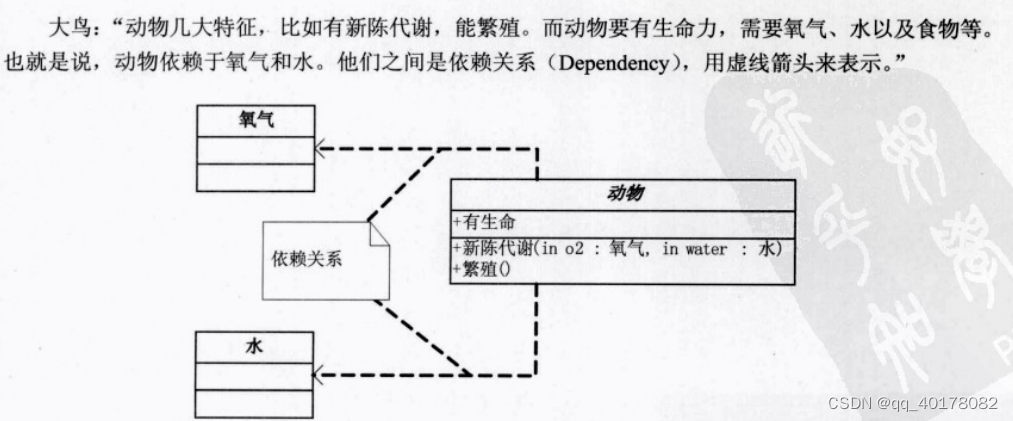
1.图 1.1类图含义 第一层显示类的名称,如果是抽象类,则就用斜体显示。第二层是类的特性,通常就是字段和属性。第三层是类的操作,通常是方法或行为。注意前面的符号, ,表示public,-,表示private,#,表示protected。 1.2接口图 与类图的区别主要是顶端有<< interface >…...
PostgreSQL设置主键为自增
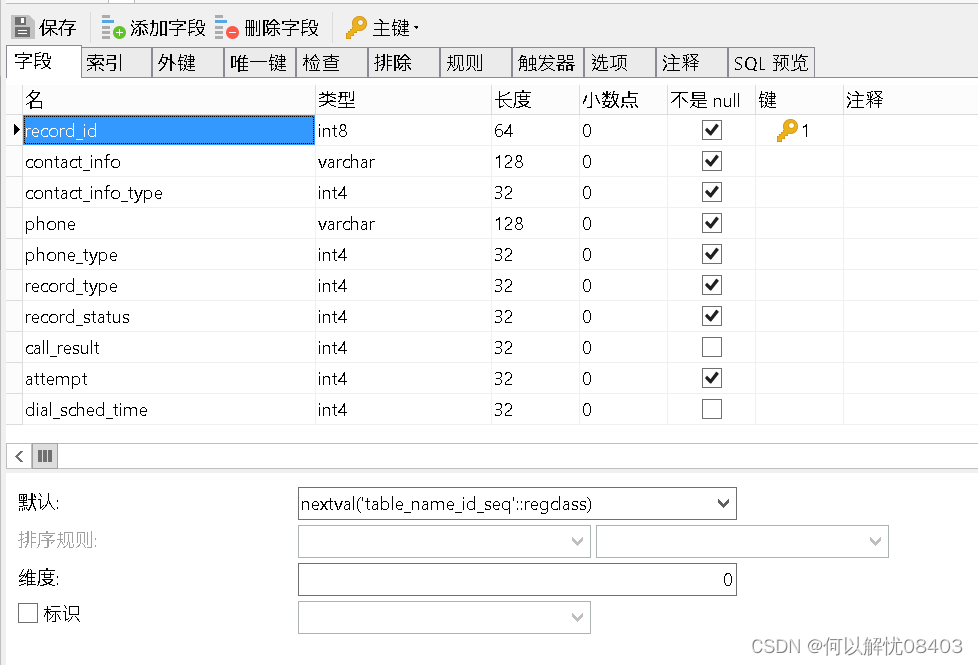
1、创建自增序列 CREATE SEQUENCE table_name_id_seq START 1; 2、设置字段默认值 字段默认值中设置 nextval(table_name_id_seq) 3、常用查询 -- 查询所有序列 select * from information_schema.sequences where sequence_schema public; -- 查询自增序列的当前值 select cu…...

input修改checkbox复选框默认选中样式
问题描述: <input type"checkbox" /> input修改checkbox默认选中样式,直接设置选中后的样式不生效,需要先给复选框设置-webkit-appearance: none(取消默认样式), 再设置样式才会生效。 …...
高云FPGA系列教程(10):letter-shell移植
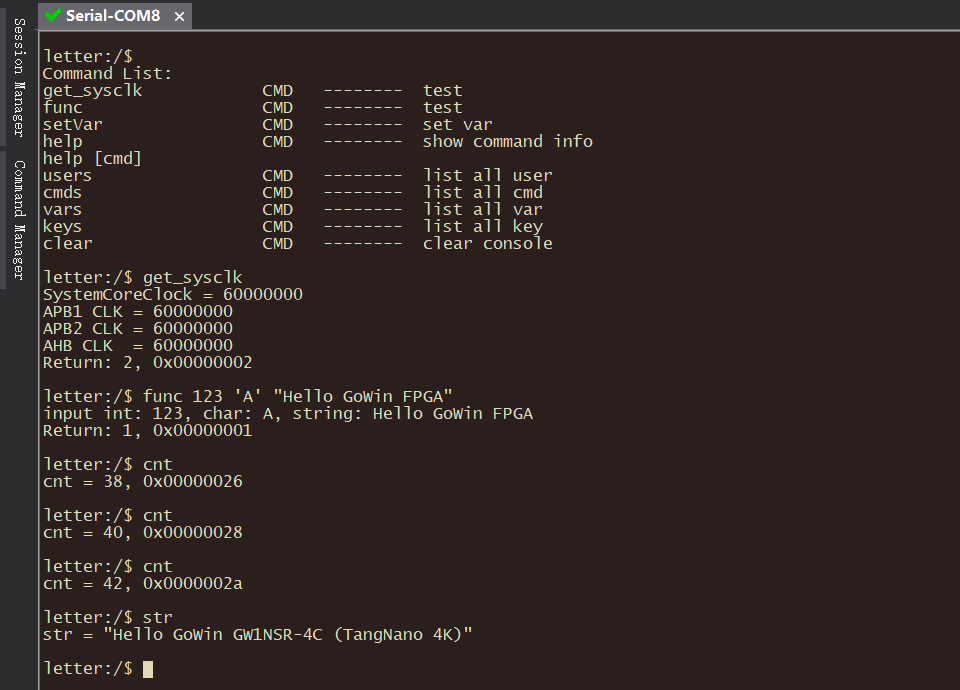
文章目录 letter-shell简介letter-shell源码获取letter-shell移植函数和变量应用示例 本文是高云FPGA系列教程的第10篇文章。 shell,中文是外壳的意思,就是操作系统的外壳。通过shell命令可以操作和控制操作系统,比如Linux中的Shell命令就包括…...

【C语言学习笔记---指针进阶02】
C语言程序设计笔记---017 C语言进阶之回调函数1、函数指针数组2、回调函数3、 回调函数的应用 --- qsort库函数4、模拟qsort函数5、结语 C语言进阶之回调函数 前言: 通过C语言进阶前篇的指针进阶01的知识,继续学习。这篇引用一个简易计算器的程序进行深…...

低功耗蓝牙物联网:未来连接的无限可能
物联网是连接各种设备和传感器的网络,其目的是实现信息的交换和共享,提高效率并优化生活。在这个领域,低功耗蓝牙(BLE)正在发挥着越来越重要的作用。 低功耗蓝牙是一种无线通信技术,它的主要特点是低功耗和…...

安装社区版本OB
获取一键安装包 https://www.oceanbase.com/softwarecenter 离线安装 [admintest001 ~]$ tar -xzf oceanbase-all-in-one-*.tar.gz [admintest001 ~]$ cd oceanbase-all-in-one/bin/ [admintest001 bin]$ ./install.sh [admintest001 bin]$ source ~/.oceanbase-all-in-one/…...
JSON 串和 Java 对象的相互转换
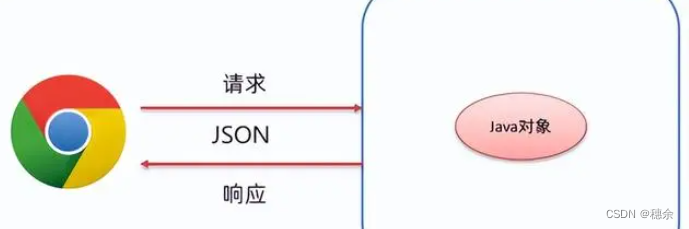
JSON 串和 Java 对象的相互转换 以 json 格式的数据进行前后端交互 前端发送请求时,如果是复杂的数据就会以 json 提交给后端; 而后端如果需要响应一些复杂的数据时,也需要以 json 格式将数据响应回给浏览器 为达到以上目的就需要重点学习…...
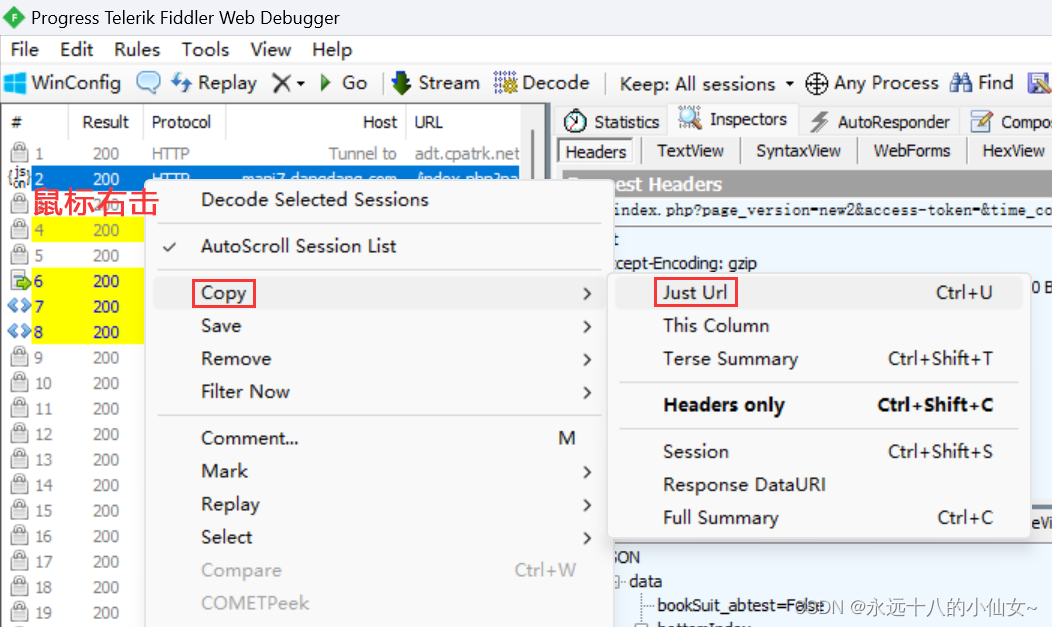
爬虫 — App 爬虫(一)
目录 一、介绍二、APP 爬虫常见反爬三、APP 抓包常用工具四、模拟器五、安装 APP1、下载 APP2、安装 APP 六、fiddler1、工作原理2、安装3、基本介绍 七、环境配置1、fiddler 的配置2、夜神模拟器的配置 八、案例 一、介绍 爬虫分类——数据来源 1、PC 端爬虫(网页…...

如何使用正则表达式实现Java日志信息的抓取与收集
首先,什么是Java日志信息?简单来说,Java应用程序在运行过程中会输出一些信息,这些信息可以用来追踪程序运行状态、调试错误等。而Java日志信息就是这些输出信息的集合。 那么为什么要抓取和收集Java日志信息呢?一方面…...

C/C++算法入门 | 简单模拟
不爱生姜不吃醋⭐️ 如果本文有什么错误的话欢迎在评论区中指正 与其明天开始,不如现在行动! 文章目录 🌴前言🌴一、害死人不偿命的(3n1)猜想1.题目(PAT B1001)2.思路3.代码实现 &am…...
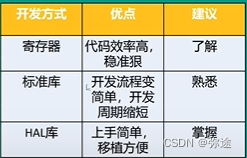
stm32学习-芯片系列/选型/开发方式
【03】STM32HAL库开发-初识STM32 | STM概念、芯片分类、命名规则、选型 | STM32原理图设计、看数据手册、最小系统的组成 、STM32IO分配_小浪宝宝的博客-CSDN博客 STM32:ST是意法半导体,M是MCU/MPU,32是32位。 ST累计推出了:…...

mnist数据集
训练模型 import tensorflow as tfimport keras from keras.models import Sequential from keras.layers import Dense,Dropout, Flatten,Conv2D, MaxPooling2D # from keras.optimizers import SGD from tensorflow.keras.optimizers import Adam,Nadam, SGDfrom PIL import…...
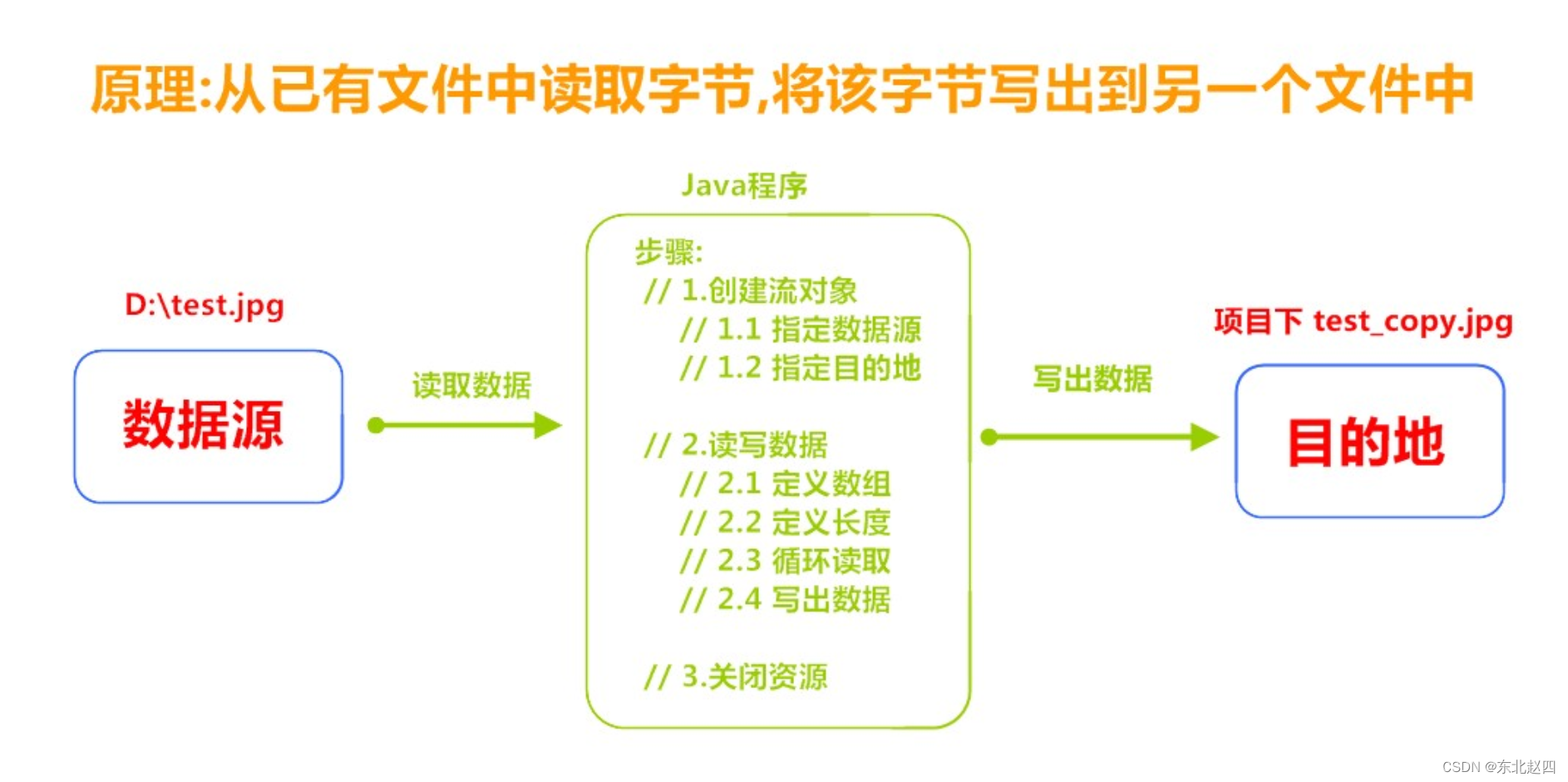
Java之IO概述以及
1.1 什么是IO 生活中,你肯定经历过这样的场景。当你编辑一个文本文件,忘记了ctrls ,可能文件就白白编辑了。当你电脑上插入一个U盘,可以把一个视频,拷贝到你的电脑硬盘里。那么数据都是在哪些设备上的呢?键…...

Spring WebFlux—Reactive 核心
一、概述 spring-web 模块包含以下对响应式Web应用的基础支持: 对于服务器请求处理,有两个级别的支持。 HttpHandler: 用于HTTP请求处理的基本约定,具有非阻塞I/O和Reactive Streams背压,以及Reactor Netty、Undertow、Tomcat、…...
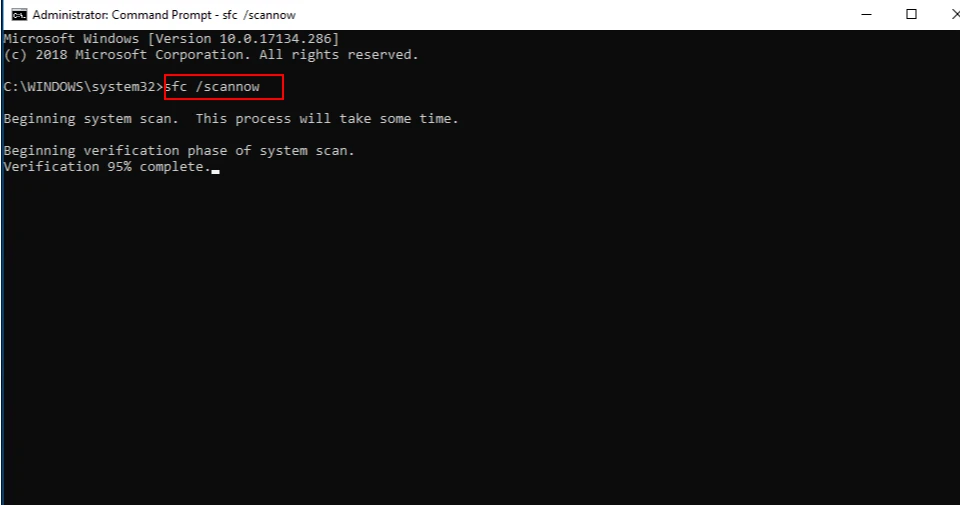
由于找不到d3dx9_43.dll,无法继续执行代码要怎么解决
D3DX9_43.dll是一个动态链接库文件,它是DirectX的一个组件,主要用于支持一些旧版本的游戏和软件。当电脑缺少这个文件时,可能会导致这些游戏和软件无法正常运行。例如,一些老游戏可能需要D3DX9_43.dll来支持图形渲染等功能。此外&…...

Qwen3-ASR-1.7B实战教程:结合Punctuation Restoration模型提升标点准确率
Qwen3-ASR-1.7B实战教程:结合Punctuation Restoration模型提升标点准确率 语音识别技术已经相当成熟,但识别结果往往缺少标点符号,让长文本阅读变得困难。本文将教你如何将Qwen3-ASR-1.7B语音识别模型与标点恢复技术结合,获得既准…...

如何搭建与使用 `ZhongFuCheng3y/austin` 开源项目
如何搭建与使用 ZhongFuCheng3y/austin 开源项目 【免费下载链接】austin 消息推送平台🔥 推送下发【邮件】【短信】【微信服务号】【微信小程序】【企业微信】【钉钉】等消息类型。 项目地址: https://gitcode.com/GitHub_Trending/au/austin 本教程旨在帮助…...

如何用开源工具实现3D打印钥匙自由?从参数测量到模型生成的实践路径
如何用开源工具实现3D打印钥匙自由?从参数测量到模型生成的实践路径 【免费下载链接】keygen OpenSCAD tools for generating physical keys 项目地址: https://gitcode.com/gh_mirrors/ke/keygen 在数字化制造蓬勃发展的今天,3D打印技术正逐步走…...

从长城杯赛题到实战:基于ZeroShell防火墙的威胁流量深度狩猎
1. 从CTF赛题到真实威胁狩猎的思维转换 第一次接触长城杯那道ZeroShell防火墙的赛题时,我还在纳闷:这种刻意设计的漏洞场景,在真实企业里真的存在吗?直到上个月帮某制造业客户做安全巡检,亲眼看到他们的ZeroShell 3.9.…...

PaddlePaddle GPU环境搭建:从驱动到深度学习库的完整指南
1. 为什么需要GPU加速深度学习? 如果你刚接触深度学习,可能会疑惑为什么大家都在讨论GPU。简单来说,GPU就像是个超级计算器,能同时处理大量简单计算。想象你要算100万道加减法题,用普通计算器(CPU…...

多任务学习进阶:从MMoE到PLE的模型演进与实战解析
1. 多任务学习基础与核心挑战 多任务学习(Multi-Task Learning, MTL)是机器学习领域的一个重要分支,它让单个模型同时学习多个相关任务。想象一下,你正在教一个学生同时学习数学和物理。如果这两个学科有共同的基础概念࿰…...

RouterOS网桥VLAN实战:从零构建安全隔离的二层虚拟网络
1. VLAN基础与RouterOS网桥概述 刚接触网络管理的朋友可能经常听到"VLAN"这个词,但总觉得它神秘莫测。其实VLAN就像给一栋办公楼划分不同部门:财务部、研发部、市场部各自有独立的办公区域,既保证了隐私安全,又避免了相…...

Umi-OCR:重新定义本地化文字识别的工作流范式
Umi-OCR:重新定义本地化文字识别的工作流范式 【免费下载链接】Umi-OCR OCR software, free and offline. 开源、免费的离线OCR软件。支持截屏/批量导入图片,PDF文档识别,排除水印/页眉页脚,扫描/生成二维码。内置多国语言库。 …...

3步快速解密QQ音乐加密文件:QMCDecode终极免费解决方案
3步快速解密QQ音乐加密文件:QMCDecode终极免费解决方案 【免费下载链接】QMCDecode QQ音乐QMC格式转换为普通格式(qmcflac转flac,qmc0,qmc3转mp3, mflac,mflac0等转flac),仅支持macOS,可自动识别到QQ音乐下载目录,默认…...

Z-Image-Turbo商业应用探索:稳定可靠的AI绘画方案推荐
Z-Image-Turbo商业应用探索:稳定可靠的AI绘画方案推荐 1. 商业级AI绘画的新选择 在数字内容创作需求爆炸式增长的今天,Z-Image-Turbo作为阿里通义实验室开源的文生图模型,凭借其卓越的稳定性和高效性,正在成为商业应用领域的新宠…...