
Deeplab的复现(pytorch实现)
DeepLab复现的pytorch实现
本文复现的主要是deeplabv3。使用的数据集和之前发的文章FCN一样,没有了解的可以移步到之前发的文章中去查看一下。
1.该模型的主要结构
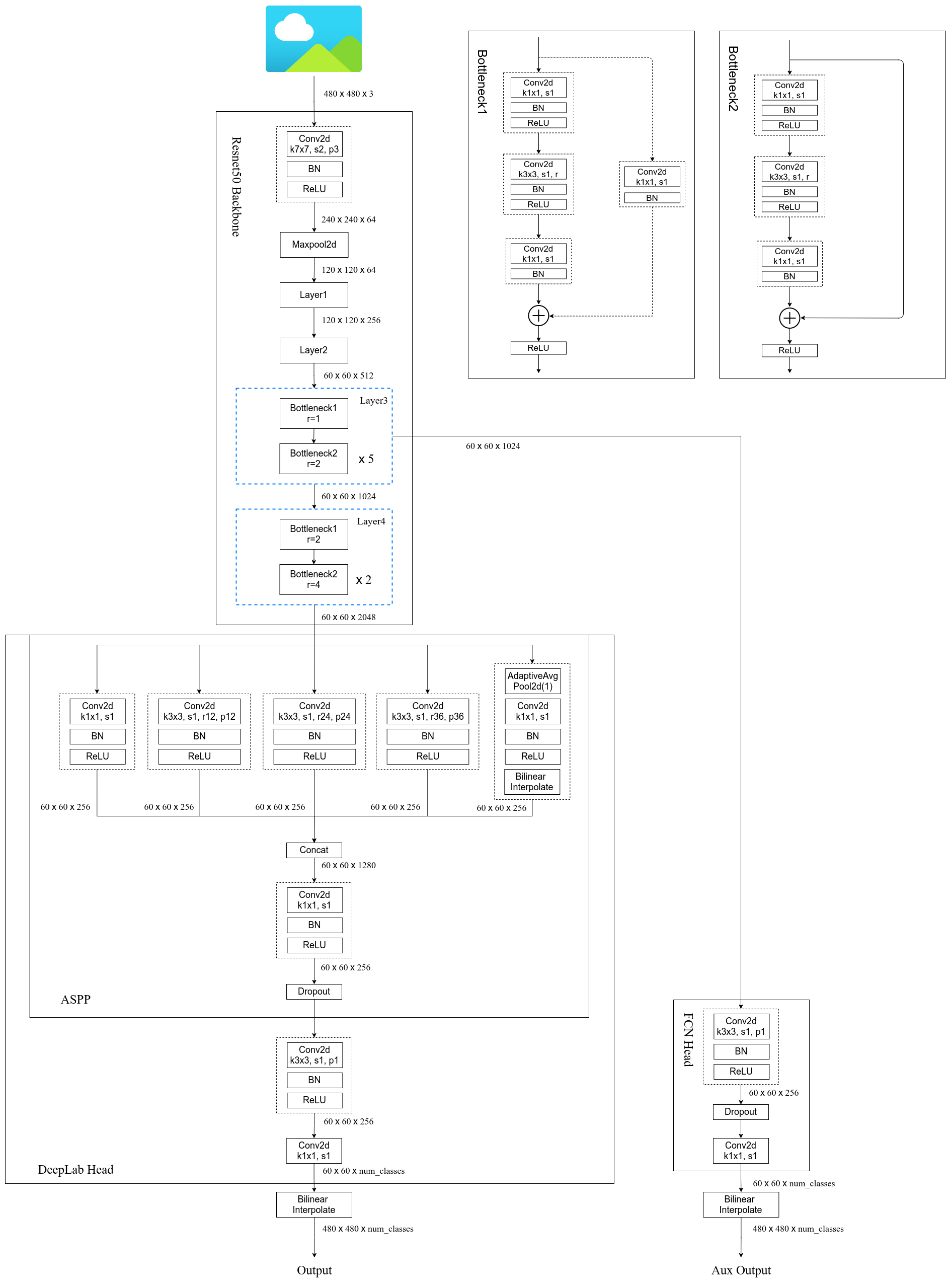
对于代码部分,主要只写了模型部分的,其他部分内容基本和FCN的一致,在下面也会给出完整代码仓库的地址方便大家进行学习。
from collections import OrderedDictfrom typing import Dict, Listimport torch
from torch import nn, Tensor
from torch.nn import functional as F
from .resnet_backbone import resnet50, resnet101
from .mobilenet_backbone import mobilenet_v3_largeclass IntermediateLayerGetter(nn.ModuleDict):  # 获取模型指定的中间层输出"""Module wrapper that returns intermediate layers from a modelIt has a strong assumption that the modules have been registeredinto the model in the same order as they are used.This means that one should **not** reuse the same nn.Moduletwice in the forward if you want this to work.Additionally, it is only able to query submodules that are directlyassigned to the model. So if `model` is passed, `model.feature1` canbe returned, but not `model.feature1.layer2`.Args:model (nn.Module): model on which we will extract the featuresreturn_layers (Dict[name, new_name]): a dict containing the namesof the modules for which the activations will be returned asthe key of the dict, and the value of the dict is the nameof the returned activation (which the user can specify)."""_version = 2__annotations__ = {"return_layers": Dict[str, str],}def __init__(self, model: nn.Module, return_layers: Dict[str, str]) -> None:if not set(return_layers).issubset([name for name, _ in model.named_children()]):raise ValueError("return_layers are not present in model")orig_return_layers = return_layersreturn_layers = {str(k): str(v) for k, v in return_layers.items()}# 重新构建backbone,将没有使用到的模块全部删掉layers = OrderedDict()for name, module in model.named_children():layers[name] = moduleif name in return_layers:del return_layers[name]if not return_layers:breaksuper(IntermediateLayerGetter, self).__init__(layers)self.return_layers = orig_return_layersdef forward(self, x: Tensor) -> Dict[str, Tensor]:out = OrderedDict()for name, module in self.items():x = module(x)if name in self.return_layers:out_name = self.return_layers[name]out[out_name] = xreturn outclass DeepLabV3(nn.Module):"""Implements DeepLabV3 model from`"Rethinking Atrous Convolution for Semantic Image Segmentation"<https://arxiv.org/abs/1706.05587>`_.Args:backbone (nn.Module): the network used to compute the features for the model.The backbone should return an OrderedDict[Tensor], with the key being"out" for the last feature map used, and "aux" if an auxiliary classifieris used.classifier (nn.Module): module that takes the "out" element returned fromthe backbone and returns a dense prediction.aux_classifier (nn.Module, optional): auxiliary classifier used during training"""__constants__ = ['aux_classifier']def __init__(self, backbone, classifier, aux_classifier=None):super(DeepLabV3, self).__init__()self.backbone = backboneself.classifier = classifierself.aux_classifier = aux_classifierdef forward(self, x: Tensor) -> Dict[str, Tensor]:input_shape = x.shape[-2:]# contract: features is a dict of tensorsfeatures = self.backbone(x)result = OrderedDict()x = features["out"]x = self.classifier(x)# 使用双线性插值还原回原图尺度x = F.interpolate(x, size=input_shape, mode='bilinear', align_corners=False)result["out"] = xif self.aux_classifier is not None:x = features["aux"]x = self.aux_classifier(x)# 使用双线性插值还原回原图尺度x = F.interpolate(x, size=input_shape, mode='bilinear', align_corners=False)result["aux"] = xreturn resultclass FCNHead(nn.Sequential):def __init__(self, in_channels, channels):inter_channels = in_channels // 4  # 两个//表示地板除,即先做除法,然后向下取整super(FCNHead, self).__init__(nn.Conv2d(in_channels, inter_channels, 3, padding=1, bias=False),nn.BatchNorm2d(inter_channels),nn.ReLU(),nn.Dropout(0.1),nn.Conv2d(inter_channels, channels, 1))class ASPPConv(nn.Sequential):def __init__(self, in_channels: int, out_channels: int, dilation: int) -> None:super(ASPPConv, self).__init__(nn.Conv2d(in_channels, out_channels, 3, padding=dilation, dilation=dilation, bias=False),nn.BatchNorm2d(out_channels),nn.ReLU())class ASPPPooling(nn.Sequential):def __init__(self, in_channels: int, out_channels: int) -> None:super(ASPPPooling, self).__init__(nn.AdaptiveAvgPool2d(1),nn.Conv2d(in_channels, out_channels, 1, bias=False),nn.BatchNorm2d(out_channels),nn.ReLU())def forward(self, x: torch.Tensor) -> torch.Tensor:size = x.shape[-2:]for mod in self:x = mod(x)return F.interpolate(x, size=size, mode='bilinear', align_corners=False)class ASPP(nn.Module):def __init__(self, in_channels: int, atrous_rates: List[int], out_channels: int = 256) -> None:super(ASPP, self).__init__()modules = [nn.Sequential(nn.Conv2d(in_channels, out_channels, 1, bias=False),nn.BatchNorm2d(out_channels),nn.ReLU())]rates = tuple(atrous_rates)for rate in rates:modules.append(ASPPConv(in_channels, out_channels, rate))modules.append(ASPPPooling(in_channels, out_channels))self.convs = nn.ModuleList(modules)self.project = nn.Sequential(nn.Conv2d(len(self.convs) * out_channels, out_channels, 1, bias=False),nn.BatchNorm2d(out_channels),nn.ReLU(),nn.Dropout(0.5))def forward(self, x: torch.Tensor) -> torch.Tensor:_res = []for conv in self.convs:_res.append(conv(x))res = torch.cat(_res, dim=1)return self.project(res)class DeepLabHead(nn.Sequential):def __init__(self, in_channels: int, num_classes: int) -> None:super(DeepLabHead, self).__init__(ASPP(in_channels, [12, 24, 36]),nn.Conv2d(256, 256, 3, padding=1, bias=False),nn.BatchNorm2d(256),nn.ReLU(),nn.Conv2d(256, num_classes, 1))def deeplabv3_resnet50(aux, num_classes=21, pretrain_backbone=False):# 'resnet50_imagenet': 'https://download.pytorch.org/models/resnet50-0676ba61.pth'# 'deeplabv3_resnet50_coco': 'https://download.pytorch.org/models/deeplabv3_resnet50_coco-cd0a2569.pth'backbone = resnet50(replace_stride_with_dilation=[False, True, True])if pretrain_backbone:# 载入resnet50 backbone预训练权重backbone.load_state_dict(torch.load("resnet50.pth", map_location='cpu'))out_inplanes = 2048aux_inplanes = 1024return_layers = {'layer4': 'out'}if aux:return_layers['layer3'] = 'aux'backbone = IntermediateLayerGetter(backbone, return_layers=return_layers)aux_classifier = None# why using aux: https://github.com/pytorch/vision/issues/4292if aux:aux_classifier = FCNHead(aux_inplanes, num_classes)classifier = DeepLabHead(out_inplanes, num_classes)model = DeepLabV3(backbone, classifier, aux_classifier)return modeldef deeplabv3_resnet101(aux, num_classes=21, pretrain_backbone=False):# 'resnet101_imagenet': 'https://download.pytorch.org/models/resnet101-63fe2227.pth'# 'deeplabv3_resnet101_coco': 'https://download.pytorch.org/models/deeplabv3_resnet101_coco-586e9e4e.pth'backbone = resnet101(replace_stride_with_dilation=[False, True, True])if pretrain_backbone:# 载入resnet101 backbone预训练权重backbone.load_state_dict(torch.load("resnet101.pth", map_location='cpu'))out_inplanes = 2048aux_inplanes = 1024return_layers = {'layer4': 'out'}if aux:return_layers['layer3'] = 'aux'backbone = IntermediateLayerGetter(backbone, return_layers=return_layers)aux_classifier = None# why using aux: https://github.com/pytorch/vision/issues/4292if aux:aux_classifier = FCNHead(aux_inplanes, num_classes)classifier = DeepLabHead(out_inplanes, num_classes)model = DeepLabV3(backbone, classifier, aux_classifier)return modeldef deeplabv3_mobilenetv3_large(aux, num_classes=21, pretrain_backbone=False):# 'mobilenetv3_large_imagenet': 'https://download.pytorch.org/models/mobilenet_v3_large-8738ca79.pth'# 'depv3_mobilenetv3_large_coco': "https://download.pytorch.org/models/deeplabv3_mobilenet_v3_large-fc3c493d.pth"backbone = mobilenet_v3_large(dilated=True)if pretrain_backbone:# 载入mobilenetv3 large backbone预训练权重backbone.load_state_dict(torch.load("mobilenet_v3_large.pth", map_location='cpu'))backbone = backbone.features# Gather the indices of blocks which are strided. These are the locations of C1, ..., Cn-1 blocks.# The first and last blocks are always included because they are the C0 (conv1) and Cn.stage_indices = [0] + [i for i, b in enumerate(backbone) if getattr(b, "is_strided", False)] + [len(backbone) - 1]out_pos = stage_indices[-1]  # use C5 which has output_stride = 16out_inplanes = backbone[out_pos].out_channelsaux_pos = stage_indices[-4]  # use C2 here which has output_stride = 8aux_inplanes = backbone[aux_pos].out_channelsreturn_layers = {str(out_pos): "out"}if aux:return_layers[str(aux_pos)] = "aux"backbone = IntermediateLayerGetter(backbone, return_layers=return_layers)aux_classifier = None# why using aux: https://github.com/pytorch/vision/issues/4292if aux:aux_classifier = FCNHead(aux_inplanes, num_classes)classifier = DeepLabHead(out_inplanes, num_classes)model = DeepLabV3(backbone, classifier, aux_classifier)return model----------------------------------------------------------------------------------分割线-------------------------------------------from typing import Callable, List, Optionalimport torch
from torch import nn, Tensor
from torch.nn import functional as F
from functools import partialdef _make_divisible(ch, divisor=8, min_ch=None):  # 为了使每一层的通道数都可以被8整除"""This function is taken from the original tf repo.It ensures that all layers have a channel number that is divisible by 8It can be seen here:https://github.com/tensorflow/models/blob/master/research/slim/nets/mobilenet/mobilenet.py"""if min_ch is None:min_ch = divisornew_ch = max(min_ch, int(ch + divisor / 2) // divisor * divisor)# Make sure that round down does not go down by more than 10%.if new_ch < 0.9 * ch:new_ch += divisorreturn new_chclass ConvBNActivation(nn.Sequential):def __init__(self,in_planes: int,out_planes: int,kernel_size: int = 3,stride: int = 1,groups: int = 1,norm_layer: Optional[Callable[..., nn.Module]] = None,activation_layer: Optional[Callable[..., nn.Module]] = None,dilation: int = 1):padding = (kernel_size - 1) // 2 * dilationif norm_layer is None:norm_layer = nn.BatchNorm2dif activation_layer is None:activation_layer = nn.ReLU6super(ConvBNActivation, self).__init__(nn.Conv2d(in_channels=in_planes,out_channels=out_planes,kernel_size=kernel_size,stride=stride,dilation=dilation,padding=padding,groups=groups,bias=False),norm_layer(out_planes),activation_layer(inplace=True))self.out_channels = out_planesclass SqueezeExcitation(nn.Module):def __init__(self, input_c: int, squeeze_factor: int = 4):super(SqueezeExcitation, self).__init__()squeeze_c = _make_divisible(input_c // squeeze_factor, 8)self.fc1 = nn.Conv2d(input_c, squeeze_c, 1)self.fc2 = nn.Conv2d(squeeze_c, input_c, 1)def forward(self, x: Tensor) -> Tensor:scale = F.adaptive_avg_pool2d(x, output_size=(1, 1))scale = self.fc1(scale)scale = F.relu(scale, inplace=True)scale = self.fc2(scale)scale = F.hardsigmoid(scale, inplace=True)return scale * xclass InvertedResidualConfig:def __init__(self,input_c: int,kernel: int,expanded_c: int,out_c: int,use_se: bool,activation: str,stride: int,dilation: int,width_multi: float):self.input_c = self.adjust_channels(input_c, width_multi)self.kernel = kernelself.expanded_c = self.adjust_channels(expanded_c, width_multi)self.out_c = self.adjust_channels(out_c, width_multi)self.use_se = use_seself.use_hs = activation == "HS"  # whether using h-swish activationself.stride = strideself.dilation = dilation@staticmethoddef adjust_channels(channels: int, width_multi: float):return _make_divisible(channels * width_multi, 8)class InvertedResidual(nn.Module):def __init__(self,cnf: InvertedResidualConfig,norm_layer: Callable[..., nn.Module]):super(InvertedResidual, self).__init__()if cnf.stride not in [1, 2]:raise ValueError("illegal stride value.")self.use_res_connect = (cnf.stride == 1 and cnf.input_c == cnf.out_c)layers: List[nn.Module] = []activation_layer = nn.Hardswish if cnf.use_hs else nn.ReLU# expandif cnf.expanded_c != cnf.input_c:layers.append(ConvBNActivation(cnf.input_c,cnf.expanded_c,kernel_size=1,norm_layer=norm_layer,activation_layer=activation_layer))# depthwisestride = 1 if cnf.dilation > 1 else cnf.stridelayers.append(ConvBNActivation(cnf.expanded_c,cnf.expanded_c,kernel_size=cnf.kernel,stride=stride,dilation=cnf.dilation,groups=cnf.expanded_c,norm_layer=norm_layer,activation_layer=activation_layer))if cnf.use_se:layers.append(SqueezeExcitation(cnf.expanded_c))# projectlayers.append(ConvBNActivation(cnf.expanded_c,cnf.out_c,kernel_size=1,norm_layer=norm_layer,activation_layer=nn.Identity))self.block = nn.Sequential(*layers)self.out_channels = cnf.out_cself.is_strided = cnf.stride > 1def forward(self, x: Tensor) -> Tensor:result = self.block(x)if self.use_res_connect:result += xreturn resultclass MobileNetV3(nn.Module):def __init__(self,inverted_residual_setting: List[InvertedResidualConfig],last_channel: int,num_classes: int = 1000,block: Optional[Callable[..., nn.Module]] = None,norm_layer: Optional[Callable[..., nn.Module]] = None):super(MobileNetV3, self).__init__()if not inverted_residual_setting:raise ValueError("The inverted_residual_setting should not be empty.")elif not (isinstance(inverted_residual_setting, List) andall([isinstance(s, InvertedResidualConfig) for s in inverted_residual_setting])):raise TypeError("The inverted_residual_setting should be List[InvertedResidualConfig]")if block is None:block = InvertedResidualif norm_layer is None:norm_layer = partial(nn.BatchNorm2d, eps=0.001, momentum=0.01)layers: List[nn.Module] = []# building first layerfirstconv_output_c = inverted_residual_setting[0].input_clayers.append(ConvBNActivation(3,firstconv_output_c,kernel_size=3,stride=2,norm_layer=norm_layer,activation_layer=nn.Hardswish))# building inverted residual blocksfor cnf in inverted_residual_setting:layers.append(block(cnf, norm_layer))# building last several layerslastconv_input_c = inverted_residual_setting[-1].out_clastconv_output_c = 6 * lastconv_input_clayers.append(ConvBNActivation(lastconv_input_c,lastconv_output_c,kernel_size=1,norm_layer=norm_layer,activation_layer=nn.Hardswish))self.features = nn.Sequential(*layers)self.avgpool = nn.AdaptiveAvgPool2d(1)self.classifier = nn.Sequential(nn.Linear(lastconv_output_c, last_channel),nn.Hardswish(inplace=True),nn.Dropout(p=0.2, inplace=True),nn.Linear(last_channel, num_classes))# initial weightsfor m in self.modules():if isinstance(m, nn.Conv2d):nn.init.kaiming_normal_(m.weight, mode="fan_out")if m.bias is not None:nn.init.zeros_(m.bias)elif isinstance(m, (nn.BatchNorm2d, nn.GroupNorm)):nn.init.ones_(m.weight)nn.init.zeros_(m.bias)elif isinstance(m, nn.Linear):nn.init.normal_(m.weight, 0, 0.01)nn.init.zeros_(m.bias)def _forward_impl(self, x: Tensor) -> Tensor:x = self.features(x)x = self.avgpool(x)x = torch.flatten(x, 1)x = self.classifier(x)return xdef forward(self, x: Tensor) -> Tensor:return self._forward_impl(x)def mobilenet_v3_large(num_classes: int = 1000,reduced_tail: bool = False,dilated: bool = False) -> MobileNetV3:"""Constructs a large MobileNetV3 architecture from"Searching for MobileNetV3" <https://arxiv.org/abs/1905.02244>.weights_link:https://download.pytorch.org/models/mobilenet_v3_large-8738ca79.pthArgs:num_classes (int): number of classesreduced_tail (bool): If True, reduces the channel counts of all feature layersbetween C4 and C5 by 2. It is used to reduce the channel redundancy in thebackbone for Detection and Segmentation.dilated: whether using dilated conv"""width_multi = 1.0bneck_conf = partial(InvertedResidualConfig, width_multi=width_multi)adjust_channels = partial(InvertedResidualConfig.adjust_channels, width_multi=width_multi)reduce_divider = 2 if reduced_tail else 1dilation = 2 if dilated else 1inverted_residual_setting = [# input_c, kernel, expanded_c, out_c, use_se, activation, stride, dilationbneck_conf(16, 3, 16, 16, False, "RE", 1, 1),bneck_conf(16, 3, 64, 24, False, "RE", 2, 1),  # C1bneck_conf(24, 3, 72, 24, False, "RE", 1, 1),bneck_conf(24, 5, 72, 40, True, "RE", 2, 1),  # C2bneck_conf(40, 5, 120, 40, True, "RE", 1, 1),bneck_conf(40, 5, 120, 40, True, "RE", 1, 1),bneck_conf(40, 3, 240, 80, False, "HS", 2, 1),  # C3bneck_conf(80, 3, 200, 80, False, "HS", 1, 1),bneck_conf(80, 3, 184, 80, False, "HS", 1, 1),bneck_conf(80, 3, 184, 80, False, "HS", 1, 1),bneck_conf(80, 3, 480, 112, True, "HS", 1, 1),bneck_conf(112, 3, 672, 112, True, "HS", 1, 1),bneck_conf(112, 5, 672, 160 // reduce_divider, True, "HS", 2, dilation),  # C4bneck_conf(160 // reduce_divider, 5, 960 // reduce_divider, 160 // reduce_divider, True, "HS", 1, dilation),bneck_conf(160 // reduce_divider, 5, 960 // reduce_divider, 160 // reduce_divider, True, "HS", 1, dilation),]last_channel = adjust_channels(1280 // reduce_divider)  # C5return MobileNetV3(inverted_residual_setting=inverted_residual_setting,last_channel=last_channel,num_classes=num_classes)def mobilenet_v3_small(num_classes: int = 1000,reduced_tail: bool = False,dilated: bool = False) -> MobileNetV3:"""Constructs a large MobileNetV3 architecture from"Searching for MobileNetV3" <https://arxiv.org/abs/1905.02244>.weights_link:https://download.pytorch.org/models/mobilenet_v3_small-047dcff4.pthArgs:num_classes (int): number of classesreduced_tail (bool): If True, reduces the channel counts of all feature layersbetween C4 and C5 by 2. It is used to reduce the channel redundancy in thebackbone for Detection and Segmentation.dilated: whether using dilated conv"""width_multi = 1.0bneck_conf = partial(InvertedResidualConfig, width_multi=width_multi)adjust_channels = partial(InvertedResidualConfig.adjust_channels, width_multi=width_multi)reduce_divider = 2 if reduced_tail else 1dilation = 2 if dilated else 1inverted_residual_setting = [# input_c, kernel, expanded_c, out_c, use_se, activation, stride, dilationbneck_conf(16, 3, 16, 16, True, "RE", 2, 1),  # C1bneck_conf(16, 3, 72, 24, False, "RE", 2, 1),  # C2bneck_conf(24, 3, 88, 24, False, "RE", 1, 1),bneck_conf(24, 5, 96, 40, True, "HS", 2, 1),  # C3bneck_conf(40, 5, 240, 40, True, "HS", 1, 1),bneck_conf(40, 5, 240, 40, True, "HS", 1, 1),bneck_conf(40, 5, 120, 48, True, "HS", 1, 1),bneck_conf(48, 5, 144, 48, True, "HS", 1, 1),bneck_conf(48, 5, 288, 96 // reduce_divider, True, "HS", 2, dilation),  # C4bneck_conf(96 // reduce_divider, 5, 576 // reduce_divider, 96 // reduce_divider, True, "HS", 1, dilation),bneck_conf(96 // reduce_divider, 5, 576 // reduce_divider, 96 // reduce_divider, True, "HS", 1, dilation)]last_channel = adjust_channels(1024 // reduce_divider)  # C5return MobileNetV3(inverted_residual_setting=inverted_residual_setting,last_channel=last_channel,num_classes=num_classes)
在上述代码中,也将之前FCNmodel中没有的mobilenet作为backbone的模型代码也加了上来。
参考链接:
288, 96 // reduce_divider, True, “HS”, 2, dilation), # C4
bneck_conf(96 // reduce_divider, 5, 576 // reduce_divider, 96 // reduce_divider, True, “HS”, 1, dilation),
bneck_conf(96 // reduce_divider, 5, 576 // reduce_divider, 96 // reduce_divider, True, “HS”, 1, dilation)
]
last_channel = adjust_channels(1024 // reduce_divider) # C5
return MobileNetV3(inverted_residual_setting=inverted_residual_setting,last_channel=last_channel,num_classes=num_classes)
在上述代码中,也将之前FCNmodel中没有的mobilenet作为backbone的模型代码也加了上来。参考链接:[deep-learning-for-image-processing/pytorch_segmentation/fcn/src/fcn_model.py at bf4384bfc14e295fdbdc967d6b5093cce0bead17 · WZMIAOMIAO/deep-learning-for-image-processing (github.com)](https://github.com/WZMIAOMIAO/deep-learning-for-image-processing/blob/bf4384bfc14e295fdbdc967d6b5093cce0bead17/pytorch_segmentation/fcn/src/fcn_model.py)
相关文章:
Deeplab的复现(pytorch实现)
DeepLab复现的pytorch实现 本文复现的主要是deeplabv3。使用的数据集和之前发的文章FCN一样,没有了解的可以移步到之前发的文章中去查看一下。 1.该模型的主要结构 对于代码部分,主要只写了模型部分的,其他部分内容基本和FCN的一致…...

input上添加disabled=“true“,点击事件失效处理办法
当我们给input标签上添加disabled"true"时,再添加点击事件,点击事件会不生效,处理办法如下: 给input标签添加样式style"pointer-events: none;" 代码如下: <input style"pointer-event…...

精酿啤酒的魅力:啤酒的与众不同风味
啤酒,作为世界上古老的酒精饮品之一,一直以来都以其与众不同的魅力吸引着无数人的味蕾。而精酿啤酒,作为啤酒中的佼佼者之一,更是以其丰富的口感和多样的风格,成为了啤酒爱好者的心头好。在这其中,Fendi cl…...

检测机构的双资质是什么?
CMA和CNAS是两种在检测、校准和认证领域具有权威性的资质。 CMA资质全称为“检验检测机构资质认定”(China Inspection Body and Laboratory Mandatory Approval)。它是根据《中华人民共和国计量法》等相关法规,由国家认证认可监督管理委员会…...
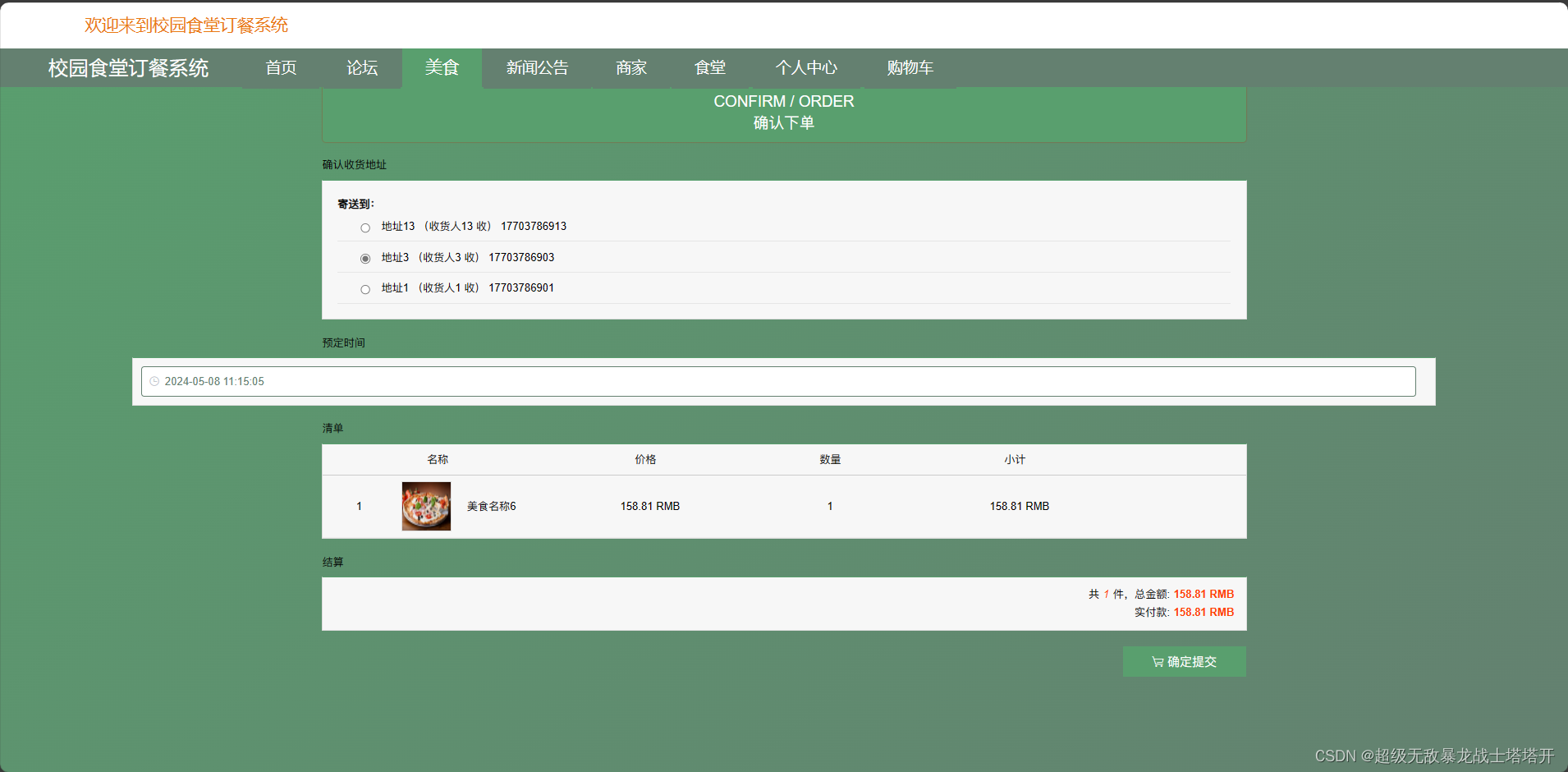
基于springboot的校园食堂订餐系统
文章目录 项目介绍主要功能截图:部分代码展示设计总结项目获取方式 🍅 作者主页:超级无敌暴龙战士塔塔开 🍅 简介:Java领域优质创作者🏆、 简历模板、学习资料、面试题库【关注我,都给你】 &…...

基于SpringBoot的高校推荐系统
项目介绍 当前,随着高等教育的不断普及,越来越多的学生选择考研究生来提高自身的学术水平和竞争力。然而,考研生在选择报考院校和专业时面临着众多的选择和信息不对称的问题。为了解决这些问题,一些网站和APP已经推出了相关的院校…...

了解 websocket
1. 概念 1、 websocket 是一种双向通行协议。实现了浏览器与服务器全双工通信,能更好的节省服务器资源和带宽并达到实时通讯的目的; 2、websocket连接成功后,只要连接不断开,通信就会一保持着; 3、要打开一个 WebS…...

C++中erase函数的用法
在C中,erase函数用于从容器中删除一个或一系列元素。它通常用于删除容器中的指定位置的元素或特定值的元素。 erase函数通常有两种用法: 删除指定位置的元素:erase(iterator position) 这种用法会删除容器中迭代器position指向的元素。 st…...

数字旅游以科技创新为核心竞争力:推动旅游服务的智能化、高效化,满足游客日益增长的旅游需求
一、引言 随着科技的飞速发展,数字旅游作为旅游业与信息技术结合的产物,正以其独特的魅力改变着传统旅游业的格局。科技创新作为数字旅游的核心竞争力,不仅推动了旅游服务的智能化、高效化,更满足了游客日益增长的旅游需求。本文…...
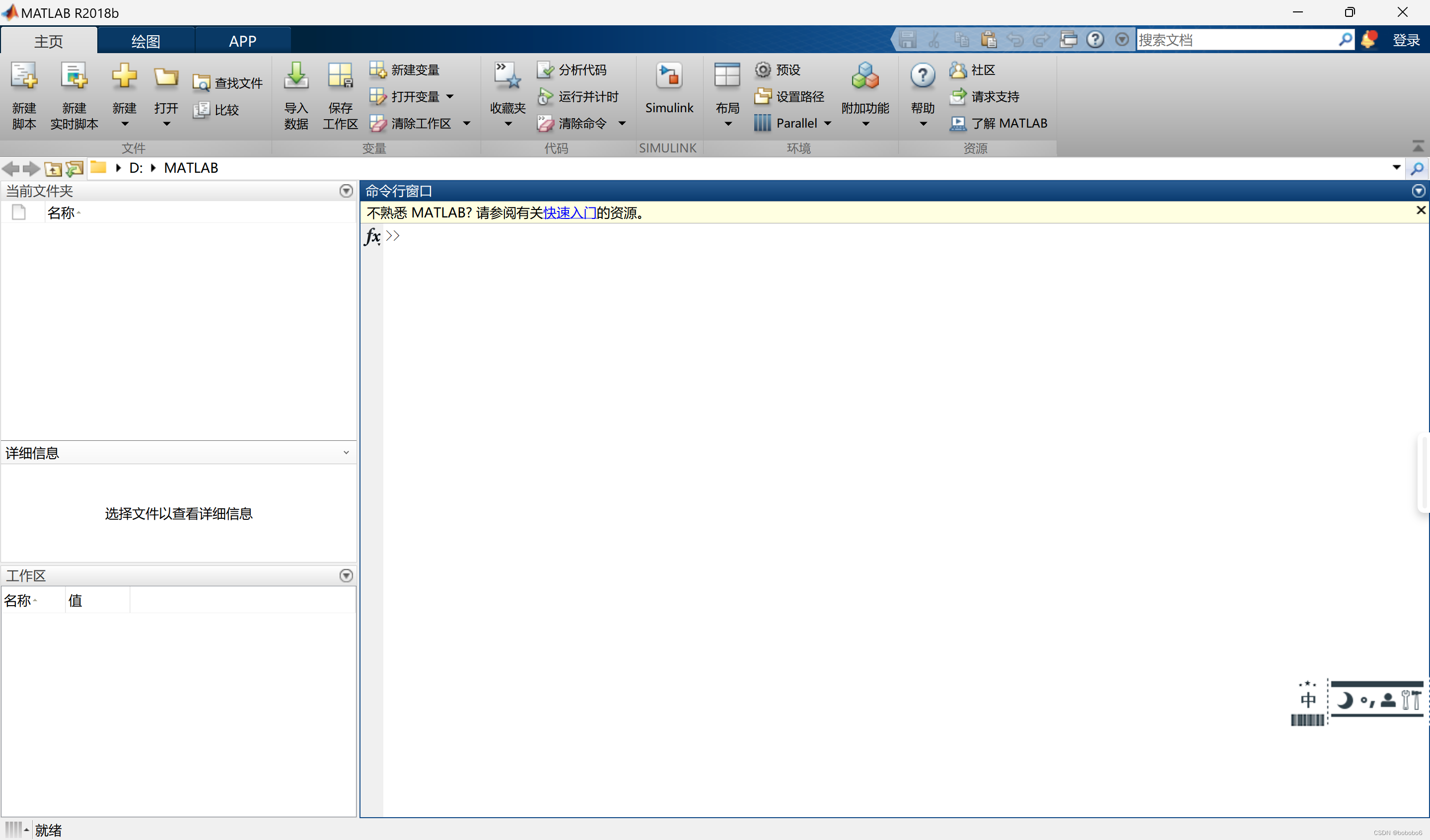
(MATLAB)安装指南
参考链接:MATLAB2019a安装教程(避坑版)...

社区智能奶柜:创业新机遇
社区智能奶柜:创业新机遇 在追求高质量生活的今天,健康食品成为大众焦点。社区智能奶柜适时登台,革新了居民获取新鲜牛奶的传统模式,为创业者开辟了一片蓝海市场。 一、新兴创业蓝海:牛奶随享站 日常膳食中…...
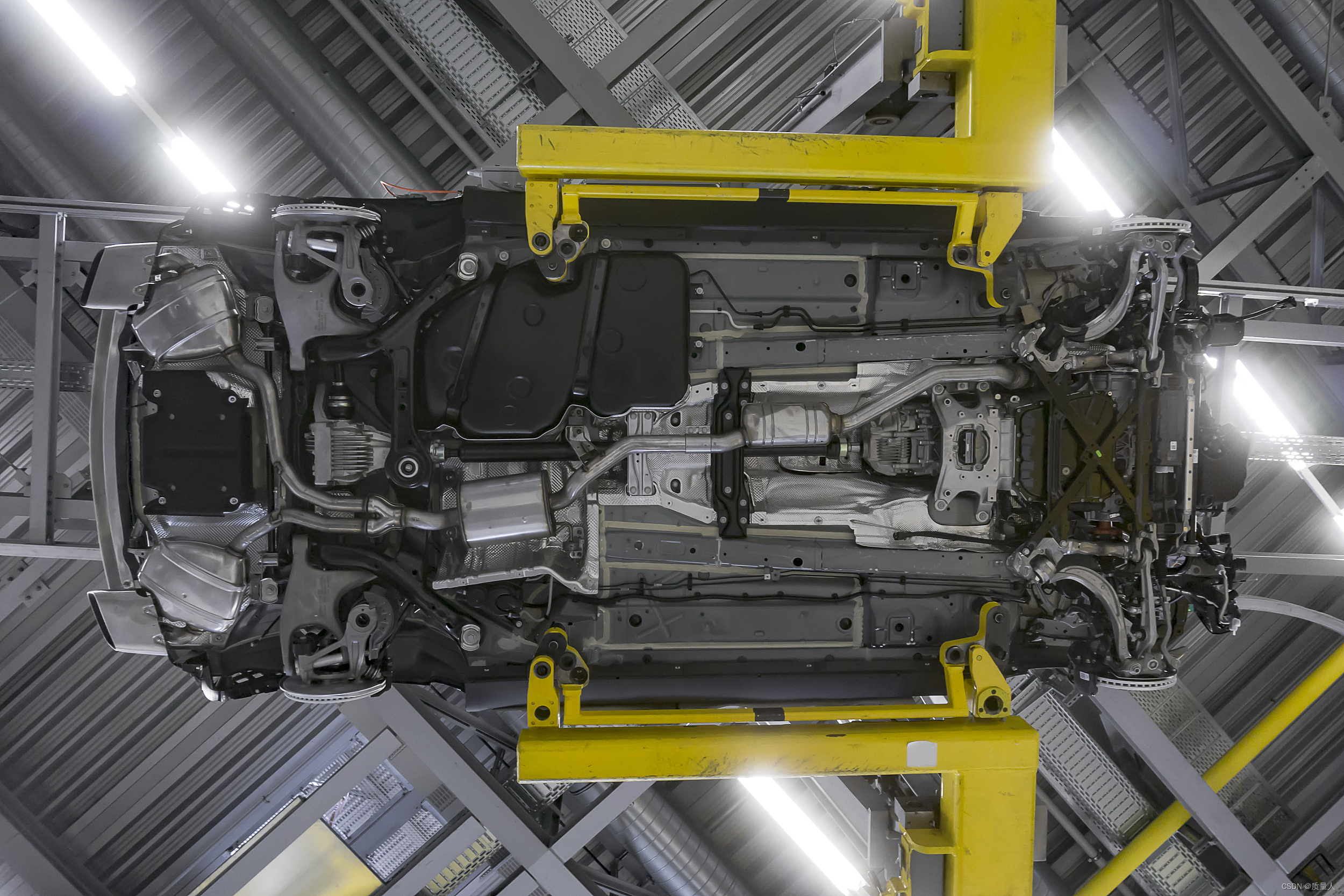
地盘紧固的关键技术——SunTorque智能扭矩系统
底盘紧固件是汽车底盘系统中不可或缺的一部分,它们负责连接和固定各个部件,确保车辆行驶的安全和稳定。底盘紧固件的开发涉及到多个环节和关键技术,下面SunTorque智能扭矩系统将详细介绍底盘紧固件开发流程和关键技术。 一、底盘紧固件开发的…...

Mybatis plus update PG json 类型 报错解决
Mybatis plus update PG json 类型 报错解决 1. 定义的PG数据库对象2. 自定义 JSON Handler3. update Wrapper4. update 报错信息4.1 No hstore extension installed.4.2 Error setting non null for parameter #1 with JdbcType null . Try setting a different JdbcType for …...

精通 Docker:简化开发、部署与安全保障
踏上 Docker 之旅,每一条命令都是高效与可靠的新境界。Docker 彻底改变了软件开发,为构建、部署和保障应用程序提供了前所未有的便利。从打造精益敏捷的镜像到编排复杂的微服务架构,Docker 让开发人员和运维人员都倍感轻松。让我们深入探索 D…...
)
KIMI的API使用:重点是他的API在使用的适合可以实时调用tool(外部联网等)
User: 如何获取kimi 的API Kimi: 要获取Kimi的API,您需要按照以下步骤操作: 注册账号:首先,您需要访问Kimi开放平台(platform.moonshot.cn/console)并注册一个账号。 获取API Key:登录后,在平台的“账户总览”部分查看平台赠送的免费额度。然后,点击“API Key 管理”…...

Android内核之Binder读写通信:binder_ioctl_write_read用法实例(七十)
简介: CSDN博客专家,专注Android/Linux系统,分享多mic语音方案、音视频、编解码等技术,与大家一起成长! 优质专栏:Audio工程师进阶系列【原创干货持续更新中……】🚀 优质专栏:多媒…...
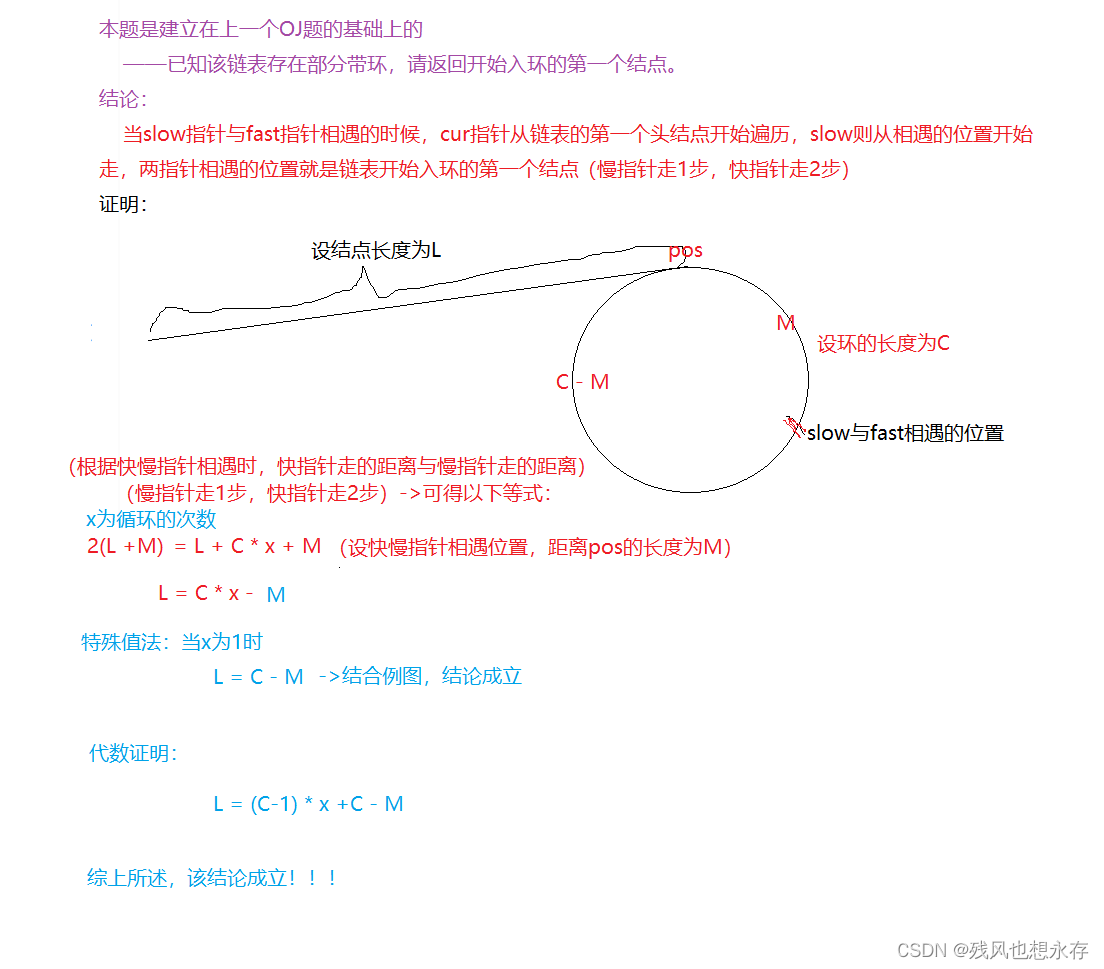
【C语言/数据结构】经典链表OJ习题~第二期——链中寻环
🎈🎈🎈欢迎采访小残风的博客主页:残风也想永存-CSDN博客🎈🎈🎈 🎈🎈🎈本人码云 链接:残风也想永存 (FSRMWK) - Gitee.com🎈…...
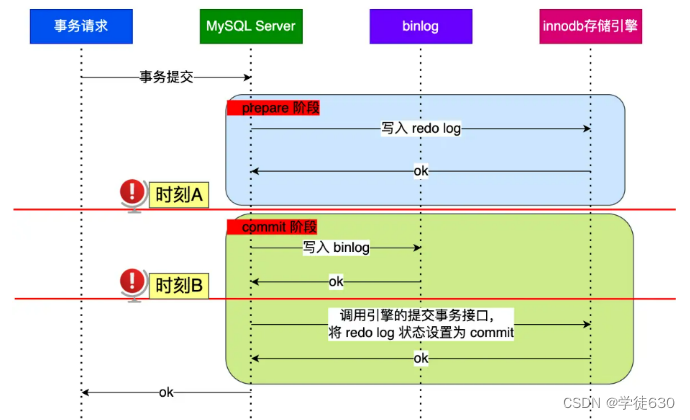
MySQL日志机制【undo log、redo log、binlog 】
前言 SQL执行流程图文分析:从连接到执行的全貌_一条 sql 执行的全流程?-CSDN博客文章浏览阅读1.1k次,点赞20次,收藏12次。本文探讨 MySQL 执行一条 SQL 查询语句的详细流程,从连接器开始,逐步介绍了查询缓存、解析 S…...

SSL通信、证书认证原理和失败原因
目录 SSL通信SSL认证原理SSL证书认证失败的原因分析 SSL通信 SSL通信指的是使用SSL(Secure Sockets Layer)协议进行的加密通讯。SSL是一种标准的安全技术,用于建立一个加密链接,确保从用户的浏览器到服务器之间的数据传输是私密和…...

【MsSQL】数据库基础 库的基本操作
目录 一,数据库基础 1,什么是数据库 2,主流的数据库 3,连接服务器 4,服务器,数据库,表关系 5,使用案例 二,库的操作 1,创建数据库 2,创建…...

day52 ResNet18 CBAM
在深度学习的旅程中,我们不断探索如何提升模型的性能。今天,我将分享我在 ResNet18 模型中插入 CBAM(Convolutional Block Attention Module)模块,并采用分阶段微调策略的实践过程。通过这个过程,我不仅提升…...

OkHttp 中实现断点续传 demo
在 OkHttp 中实现断点续传主要通过以下步骤完成,核心是利用 HTTP 协议的 Range 请求头指定下载范围: 实现原理 Range 请求头:向服务器请求文件的特定字节范围(如 Range: bytes1024-) 本地文件记录:保存已…...
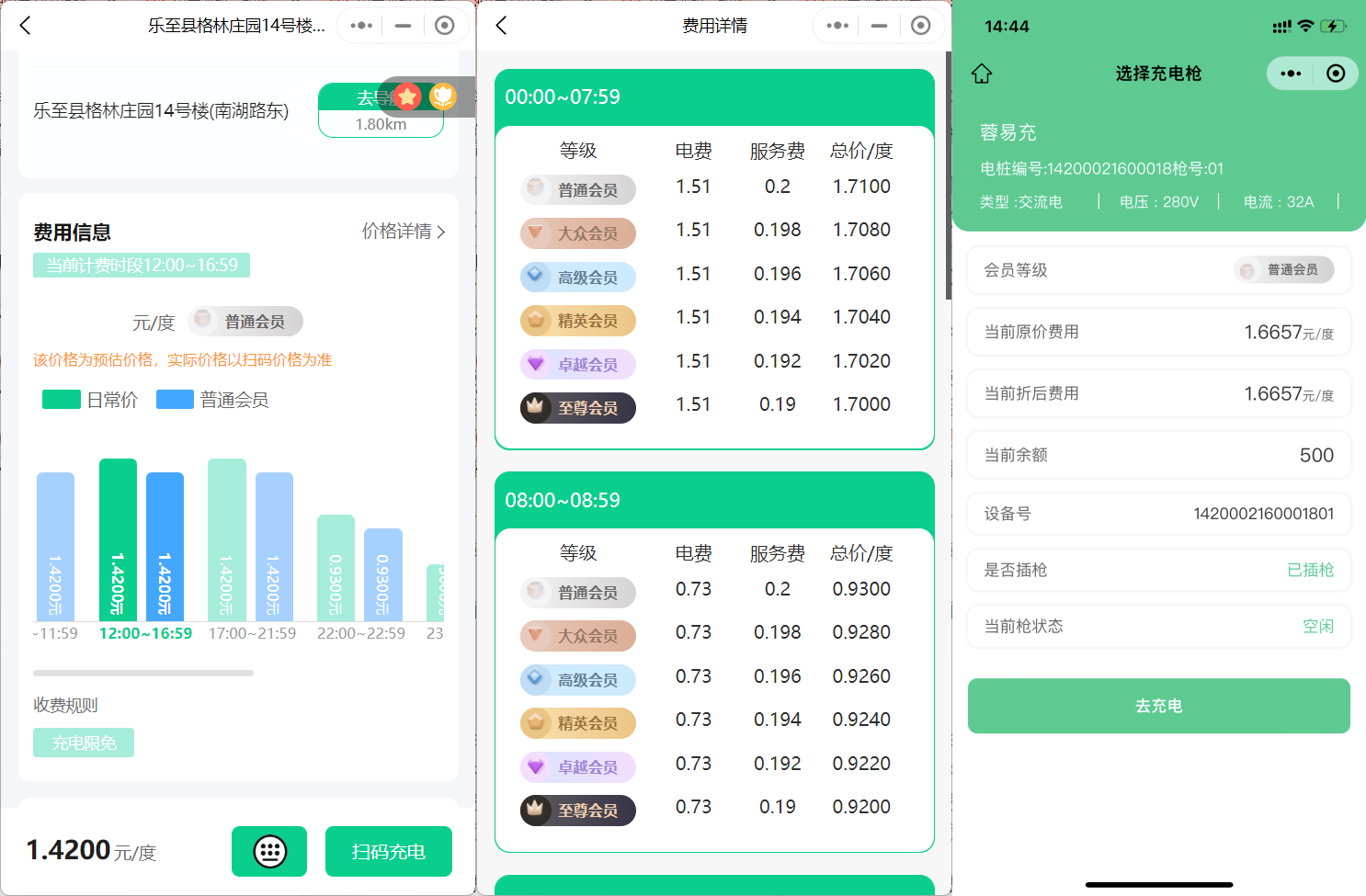
新能源汽车智慧充电桩管理方案:新能源充电桩散热问题及消防安全监管方案
随着新能源汽车的快速普及,充电桩作为核心配套设施,其安全性与可靠性备受关注。然而,在高温、高负荷运行环境下,充电桩的散热问题与消防安全隐患日益凸显,成为制约行业发展的关键瓶颈。 如何通过智慧化管理手段优化散…...
)
论文解读:交大港大上海AI Lab开源论文 | 宇树机器人多姿态起立控制强化学习框架(一)
宇树机器人多姿态起立控制强化学习框架论文解析 论文解读:交大&港大&上海AI Lab开源论文 | 宇树机器人多姿态起立控制强化学习框架(一) 论文解读:交大&港大&上海AI Lab开源论文 | 宇树机器人多姿态起立控制强化…...

工业自动化时代的精准装配革新:迁移科技3D视觉系统如何重塑机器人定位装配
AI3D视觉的工业赋能者 迁移科技成立于2017年,作为行业领先的3D工业相机及视觉系统供应商,累计完成数亿元融资。其核心技术覆盖硬件设计、算法优化及软件集成,通过稳定、易用、高回报的AI3D视觉系统,为汽车、新能源、金属制造等行…...
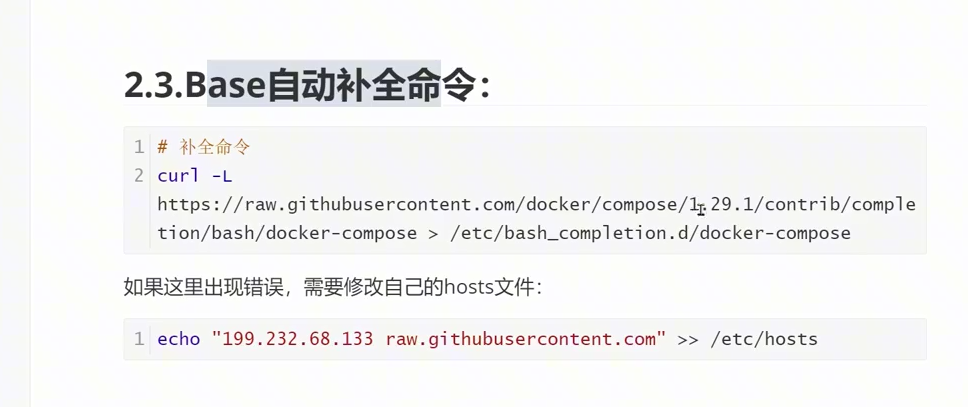
(转)什么是DockerCompose?它有什么作用?
一、什么是DockerCompose? DockerCompose可以基于Compose文件帮我们快速的部署分布式应用,而无需手动一个个创建和运行容器。 Compose文件是一个文本文件,通过指令定义集群中的每个容器如何运行。 DockerCompose就是把DockerFile转换成指令去运行。 …...
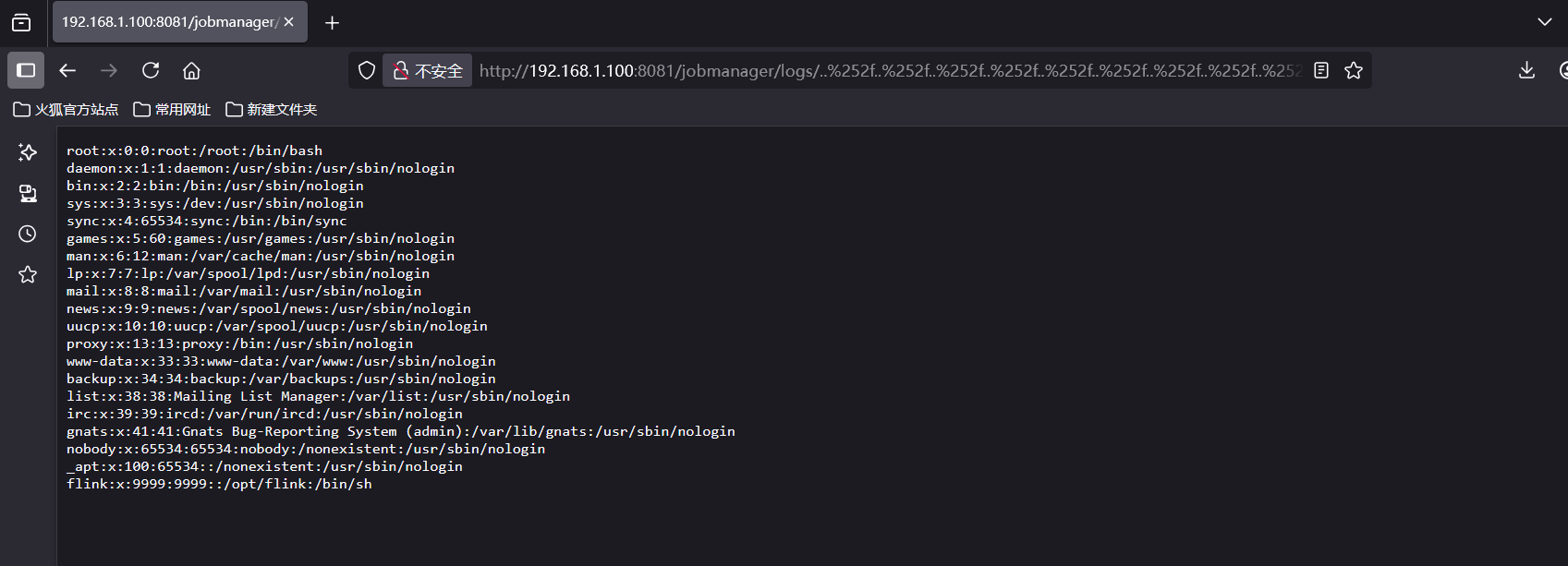
CVE-2020-17519源码分析与漏洞复现(Flink 任意文件读取)
漏洞概览 漏洞名称:Apache Flink REST API 任意文件读取漏洞CVE编号:CVE-2020-17519CVSS评分:7.5影响版本:Apache Flink 1.11.0、1.11.1、1.11.2修复版本:≥ 1.11.3 或 ≥ 1.12.0漏洞类型:路径遍历&#x…...
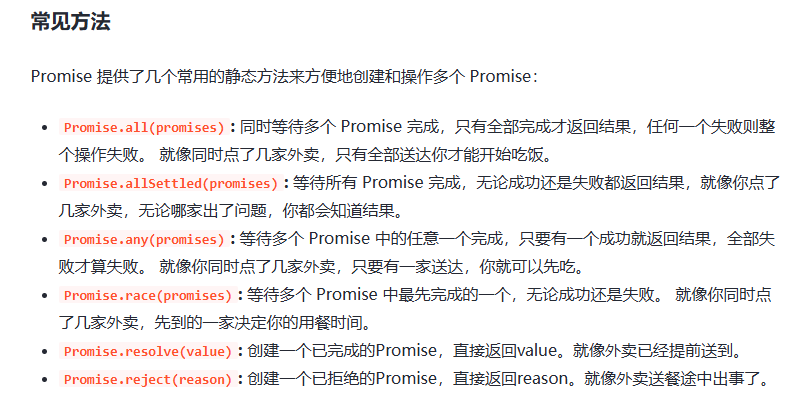
处理vxe-table 表尾数据是单独一个接口,表格tableData数据更新后,需要点击两下,表尾才是正确的
修改bug思路: 分别把 tabledata 和 表尾相关数据 console.log() 发现 更新数据先后顺序不对 settimeout延迟查询表格接口 ——测试可行 升级↑:async await 等接口返回后再开始下一个接口查询 ________________________________________________________…...

苹果AI眼镜:从“工具”到“社交姿态”的范式革命——重新定义AI交互入口的未来机会
在2025年的AI硬件浪潮中,苹果AI眼镜(Apple Glasses)正在引发一场关于“人机交互形态”的深度思考。它并非简单地替代AirPods或Apple Watch,而是开辟了一个全新的、日常可接受的AI入口。其核心价值不在于功能的堆叠,而在于如何通过形态设计打破社交壁垒,成为用户“全天佩戴…...

什么是VR全景技术
VR全景技术,全称为虚拟现实全景技术,是通过计算机图像模拟生成三维空间中的虚拟世界,使用户能够在该虚拟世界中进行全方位、无死角的观察和交互的技术。VR全景技术模拟人在真实空间中的视觉体验,结合图文、3D、音视频等多媒体元素…...