
政安晨:【Keras机器学习示例演绎】(五十七)—— 基于Transformer的推荐系统
目录
介绍
数据集
设置
准备数据
将电影评分数据转换为序列
定义元数据
创建用于训练和评估的 tf.data.Dataset
创建模型输入
输入特征编码
创建 BST 模型
开展培训和评估实验
政安晨的个人主页:政安晨
欢迎 👍点赞✍评论⭐收藏
希望政安晨的博客能够对您有所裨益,如有不足之处,欢迎在评论区提出指正!
本文目标:在 Movielens 上使用行为序列转换器(BST)模型预测评级率。
介绍
本示例使用 Movielens 数据集演示了陈启伟等人的行为序列转换器(BST)模型。 BST 模型利用用户观看电影和给电影评分的顺序行为,以及用户资料和电影特征,来预测用户对目标电影的评分。
更确切地说,BST 模型旨在通过接受以下输入来预测目标电影的评分:
- 用户观看过的电影的固定长度序列。
- 用户观看过的电影评分的固定长度序列。
- 输入序列中每部电影和目标电影的类型集。
- 输入序列中每部电影和目标电影的类型集。
- 要预测评分的 target_movie_id。
该示例以下列方式修改了原始 BST 模型:
1. 我们在处理输入序列中的每部电影和目标电影的嵌入过程中都加入了电影特征(流派),而不是将其视为转换层之外的 "其他特征"。
2. 我们利用输入序列中电影的评分以及它们在序列中的位置来更新它们,然后再将它们输入自我关注层。
(请注意,本示例应在 TensorFlow 2.4 或更高版本中运行。)
数据集
我们使用的是 Movielens 数据集的 1M 版本。 该数据集包含 6000 名用户对 4000 部电影的约 100 万个评分,以及一些用户特征和电影类型。 此外,数据集还提供了每个用户对电影评分的时间戳,这样就可以按照 BST 模型的预期,为每个用户创建电影评分序列。
设置
import osos.environ["KERAS_BACKEND"] = "tensorflow"import math
from zipfile import ZipFile
from urllib.request import urlretrieveimport keras
import numpy as np
import pandas as pd
import tensorflow as tf
from keras import layers
from keras.layers import StringLookup
准备数据
下载并准备数据框
首先,让我们下载 movielens 数据。
下载的文件夹将包含三个数据文件:users.dat、movies.dat 和 ratings.dat。
urlretrieve("http://files.grouplens.org/datasets/movielens/ml-1m.zip", "movielens.zip")
ZipFile("movielens.zip", "r").extractall()
然后,我们用正确的列名将数据加载到 pandas DataFrames 中。
users = pd.read_csv("ml-1m/users.dat",sep="::",names=["user_id", "sex", "age_group", "occupation", "zip_code"],encoding="ISO-8859-1",engine="python",
)ratings = pd.read_csv("ml-1m/ratings.dat",sep="::",names=["user_id", "movie_id", "rating", "unix_timestamp"],encoding="ISO-8859-1",engine="python",
)movies = pd.read_csv("ml-1m/movies.dat",sep="::",names=["movie_id", "title", "genres"],encoding="ISO-8859-1",engine="python",
)
在此,我们进行一些简单的数据处理,以固定列的数据类型。
users["user_id"] = users["user_id"].apply(lambda x: f"user_{x}")
users["age_group"] = users["age_group"].apply(lambda x: f"group_{x}")
users["occupation"] = users["occupation"].apply(lambda x: f"occupation_{x}")movies["movie_id"] = movies["movie_id"].apply(lambda x: f"movie_{x}")ratings["movie_id"] = ratings["movie_id"].apply(lambda x: f"movie_{x}")
ratings["user_id"] = ratings["user_id"].apply(lambda x: f"user_{x}")
ratings["rating"] = ratings["rating"].apply(lambda x: float(x))
每部电影都有多种类型。 我们将它们分成电影 DataFrame 中的不同列。
genres = ["Action", "Adventure", "Animation", "Children's", "Comedy", "Crime"]
genres += ["Documentary", "Drama", "Fantasy", "Film-Noir", "Horror", "Musical"]
genres += ["Mystery", "Romance", "Sci-Fi", "Thriller", "War", "Western"]for genre in genres:movies[genre] = movies["genres"].apply(lambda values: int(genre in values.split("|")))
将电影评分数据转换为序列
首先,我们使用 unix_timestamp 对评分数据进行排序,然后按用户 ID 对电影 ID 值和评分值进行分组。
ratings_group = ratings.sort_values(by=["unix_timestamp"]).groupby("user_id")ratings_data = pd.DataFrame(data={"user_id": list(ratings_group.groups.keys()),"movie_ids": list(ratings_group.movie_id.apply(list)),"ratings": list(ratings_group.rating.apply(list)),"timestamps": list(ratings_group.unix_timestamp.apply(list)),}
)
现在,让我们把 movie_ids 列表拆分成一组固定长度的序列。 我们对评分也做同样的处理。 设置 sequence_length 变量可改变模型输入序列的长度。 您还可以改变 step_size 来控制为每个用户生成的序列数量。
sequence_length = 4
step_size = 2def create_sequences(values, window_size, step_size):sequences = []start_index = 0while True:end_index = start_index + window_sizeseq = values[start_index:end_index]if len(seq) < window_size:seq = values[-window_size:]if len(seq) == window_size:sequences.append(seq)breaksequences.append(seq)start_index += step_sizereturn sequencesratings_data.movie_ids = ratings_data.movie_ids.apply(lambda ids: create_sequences(ids, sequence_length, step_size)
)ratings_data.ratings = ratings_data.ratings.apply(lambda ids: create_sequences(ids, sequence_length, step_size)
)del ratings_data["timestamps"]
然后,我们对输出进行处理,使每个序列在 DataFrame 中都有单独的记录。 此外,我们还将用户特征与评分数据结合起来。
ratings_data_movies = ratings_data[["user_id", "movie_ids"]].explode("movie_ids", ignore_index=True
)
ratings_data_rating = ratings_data[["ratings"]].explode("ratings", ignore_index=True)
ratings_data_transformed = pd.concat([ratings_data_movies, ratings_data_rating], axis=1)
ratings_data_transformed = ratings_data_transformed.join(users.set_index("user_id"), on="user_id"
)
ratings_data_transformed.movie_ids = ratings_data_transformed.movie_ids.apply(lambda x: ",".join(x)
)
ratings_data_transformed.ratings = ratings_data_transformed.ratings.apply(lambda x: ",".join([str(v) for v in x])
)del ratings_data_transformed["zip_code"]ratings_data_transformed.rename(columns={"movie_ids": "sequence_movie_ids", "ratings": "sequence_ratings"},inplace=True,
)
在 sequence_length 为 4、step_size 为 2 的情况下,我们最终得到了 498 623 个序列。 最后,我们将数据分成训练和测试两个部分,分别包含 85% 和 15% 的实例,并将它们存储到 CSV 文件中。
random_selection = np.random.rand(len(ratings_data_transformed.index)) <= 0.85
train_data = ratings_data_transformed[random_selection]
test_data = ratings_data_transformed[~random_selection]train_data.to_csv("train_data.csv", index=False, sep="|", header=False)
test_data.to_csv("test_data.csv", index=False, sep="|", header=False)
定义元数据
CSV_HEADER = list(ratings_data_transformed.columns)CATEGORICAL_FEATURES_WITH_VOCABULARY = {"user_id": list(users.user_id.unique()),"movie_id": list(movies.movie_id.unique()),"sex": list(users.sex.unique()),"age_group": list(users.age_group.unique()),"occupation": list(users.occupation.unique()),
}USER_FEATURES = ["sex", "age_group", "occupation"]MOVIE_FEATURES = ["genres"]
创建用于训练和评估的 tf.data.Dataset
def get_dataset_from_csv(csv_file_path, shuffle=False, batch_size=128):def process(features):movie_ids_string = features["sequence_movie_ids"]sequence_movie_ids = tf.strings.split(movie_ids_string, ",").to_tensor()# The last movie id in the sequence is the target movie.features["target_movie_id"] = sequence_movie_ids[:, -1]features["sequence_movie_ids"] = sequence_movie_ids[:, :-1]ratings_string = features["sequence_ratings"]sequence_ratings = tf.strings.to_number(tf.strings.split(ratings_string, ","), tf.dtypes.float32).to_tensor()# The last rating in the sequence is the target for the model to predict.target = sequence_ratings[:, -1]features["sequence_ratings"] = sequence_ratings[:, :-1]return features, targetdataset = tf.data.experimental.make_csv_dataset(csv_file_path,batch_size=batch_size,column_names=CSV_HEADER,num_epochs=1,header=False,field_delim="|",shuffle=shuffle,).map(process)return dataset创建模型输入
def create_model_inputs():return {"user_id": keras.Input(name="user_id", shape=(1,), dtype="string"),"sequence_movie_ids": keras.Input(name="sequence_movie_ids", shape=(sequence_length - 1,), dtype="string"),"target_movie_id": keras.Input(name="target_movie_id", shape=(1,), dtype="string"),"sequence_ratings": keras.Input(name="sequence_ratings", shape=(sequence_length - 1,), dtype=tf.float32),"sex": keras.Input(name="sex", shape=(1,), dtype="string"),"age_group": keras.Input(name="age_group", shape=(1,), dtype="string"),"occupation": keras.Input(name="occupation", shape=(1,), dtype="string"),}输入特征编码
输入特征编码方法的工作原理如下:
每个分类用户特征都使用层嵌入(layer.Embedding)编码,嵌入维度等于特征词汇量的平方根。
电影序列中的每部电影和目标电影都使用层.嵌入编码,嵌入维度等于电影数量的平方根。
每部电影的多热点流派向量与其嵌入向量连接,并使用非线性层.密集处理,以输出具有相同电影嵌入维度的向量。
将位置嵌入添加到序列中的每个电影嵌入中,然后乘以评分序列中的评分。将目标电影嵌入与序列电影嵌入连接起来,产生一个张量,其形状为[批量大小、序列长度、嵌入大小],正如转换器架构的注意层所预期的那样。
该方法返回一个由两个元素组成的元组:编码转换器特征和编码其他特征。
def encode_input_features(inputs,include_user_id=True,include_user_features=True,include_movie_features=True,
):encoded_transformer_features = []encoded_other_features = []other_feature_names = []if include_user_id:other_feature_names.append("user_id")if include_user_features:other_feature_names.extend(USER_FEATURES)## Encode user featuresfor feature_name in other_feature_names:# Convert the string input values into integer indices.vocabulary = CATEGORICAL_FEATURES_WITH_VOCABULARY[feature_name]idx = StringLookup(vocabulary=vocabulary, mask_token=None, num_oov_indices=0)(inputs[feature_name])# Compute embedding dimensionsembedding_dims = int(math.sqrt(len(vocabulary)))# Create an embedding layer with the specified dimensions.embedding_encoder = layers.Embedding(input_dim=len(vocabulary),output_dim=embedding_dims,name=f"{feature_name}_embedding",)# Convert the index values to embedding representations.encoded_other_features.append(embedding_encoder(idx))## Create a single embedding vector for the user featuresif len(encoded_other_features) > 1:encoded_other_features = layers.concatenate(encoded_other_features)elif len(encoded_other_features) == 1:encoded_other_features = encoded_other_features[0]else:encoded_other_features = None## Create a movie embedding encodermovie_vocabulary = CATEGORICAL_FEATURES_WITH_VOCABULARY["movie_id"]movie_embedding_dims = int(math.sqrt(len(movie_vocabulary)))# Create a lookup to convert string values to integer indices.movie_index_lookup = StringLookup(vocabulary=movie_vocabulary,mask_token=None,num_oov_indices=0,name="movie_index_lookup",)# Create an embedding layer with the specified dimensions.movie_embedding_encoder = layers.Embedding(input_dim=len(movie_vocabulary),output_dim=movie_embedding_dims,name=f"movie_embedding",)# Create a vector lookup for movie genres.genre_vectors = movies[genres].to_numpy()movie_genres_lookup = layers.Embedding(input_dim=genre_vectors.shape[0],output_dim=genre_vectors.shape[1],embeddings_initializer=keras.initializers.Constant(genre_vectors),trainable=False,name="genres_vector",)# Create a processing layer for genres.movie_embedding_processor = layers.Dense(units=movie_embedding_dims,activation="relu",name="process_movie_embedding_with_genres",)## Define a function to encode a given movie id.def encode_movie(movie_id):# Convert the string input values into integer indices.movie_idx = movie_index_lookup(movie_id)movie_embedding = movie_embedding_encoder(movie_idx)encoded_movie = movie_embeddingif include_movie_features:movie_genres_vector = movie_genres_lookup(movie_idx)encoded_movie = movie_embedding_processor(layers.concatenate([movie_embedding, movie_genres_vector]))return encoded_movie## Encoding target_movie_idtarget_movie_id = inputs["target_movie_id"]encoded_target_movie = encode_movie(target_movie_id)## Encoding sequence movie_ids.sequence_movies_ids = inputs["sequence_movie_ids"]encoded_sequence_movies = encode_movie(sequence_movies_ids)# Create positional embedding.position_embedding_encoder = layers.Embedding(input_dim=sequence_length,output_dim=movie_embedding_dims,name="position_embedding",)positions = tf.range(start=0, limit=sequence_length - 1, delta=1)encodded_positions = position_embedding_encoder(positions)# Retrieve sequence ratings to incorporate them into the encoding of the movie.sequence_ratings = inputs["sequence_ratings"]sequence_ratings = keras.ops.expand_dims(sequence_ratings, -1)# Add the positional encoding to the movie encodings and multiply them by rating.encoded_sequence_movies_with_poistion_and_rating = layers.Multiply()([(encoded_sequence_movies + encodded_positions), sequence_ratings])# Construct the transformer inputs.for i in range(sequence_length - 1):feature = encoded_sequence_movies_with_poistion_and_rating[:, i, ...]feature = keras.ops.expand_dims(feature, 1)encoded_transformer_features.append(feature)encoded_transformer_features.append(encoded_target_movie)encoded_transformer_features = layers.concatenate(encoded_transformer_features, axis=1)return encoded_transformer_features, encoded_other_features
创建 BST 模型
include_user_id = False
include_user_features = False
include_movie_features = Falsehidden_units = [256, 128]
dropout_rate = 0.1
num_heads = 3def create_model():inputs = create_model_inputs()transformer_features, other_features = encode_input_features(inputs, include_user_id, include_user_features, include_movie_features)# Create a multi-headed attention layer.attention_output = layers.MultiHeadAttention(num_heads=num_heads, key_dim=transformer_features.shape[2], dropout=dropout_rate)(transformer_features, transformer_features)# Transformer block.attention_output = layers.Dropout(dropout_rate)(attention_output)x1 = layers.Add()([transformer_features, attention_output])x1 = layers.LayerNormalization()(x1)x2 = layers.LeakyReLU()(x1)x2 = layers.Dense(units=x2.shape[-1])(x2)x2 = layers.Dropout(dropout_rate)(x2)transformer_features = layers.Add()([x1, x2])transformer_features = layers.LayerNormalization()(transformer_features)features = layers.Flatten()(transformer_features)# Included the other features.if other_features is not None:features = layers.concatenate([features, layers.Reshape([other_features.shape[-1]])(other_features)])# Fully-connected layers.for num_units in hidden_units:features = layers.Dense(num_units)(features)features = layers.BatchNormalization()(features)features = layers.LeakyReLU()(features)features = layers.Dropout(dropout_rate)(features)outputs = layers.Dense(units=1)(features)model = keras.Model(inputs=inputs, outputs=outputs)return modelmodel = create_model()
开展培训和评估实验
# Compile the model.
model.compile(optimizer=keras.optimizers.Adagrad(learning_rate=0.01),loss=keras.losses.MeanSquaredError(),metrics=[keras.metrics.MeanAbsoluteError()],
)# Read the training data.
train_dataset = get_dataset_from_csv("train_data.csv", shuffle=True, batch_size=265)# Fit the model with the training data.
model.fit(train_dataset, epochs=5)# Read the test data.
test_dataset = get_dataset_from_csv("test_data.csv", batch_size=265)# Evaluate the model on the test data.
_, rmse = model.evaluate(test_dataset, verbose=0)
print(f"Test MAE: {round(rmse, 3)}")
Epoch 1/51600/1600 ━━━━━━━━━━━━━━━━━━━━ 19s 11ms/step - loss: 1.5762 - mean_absolute_error: 0.9892 Epoch 2/51600/1600 ━━━━━━━━━━━━━━━━━━━━ 17s 11ms/step - loss: 1.1263 - mean_absolute_error: 0.8502 Epoch 3/51600/1600 ━━━━━━━━━━━━━━━━━━━━ 17s 11ms/step - loss: 1.0885 - mean_absolute_error: 0.8361 Epoch 4/51600/1600 ━━━━━━━━━━━━━━━━━━━━ 17s 11ms/step - loss: 1.0943 - mean_absolute_error: 0.8388 Epoch 5/51600/1600 ━━━━━━━━━━━━━━━━━━━━ 17s 10ms/step - loss: 1.0360 - mean_absolute_error: 0.8142 Test MAE: 0.782
测试数据的平均绝对误差 (MAE) 应该在 0.7 左右。

相关文章:
政安晨:【Keras机器学习示例演绎】(五十七)—— 基于Transformer的推荐系统
目录 介绍 数据集 设置 准备数据 将电影评分数据转换为序列 定义元数据 创建用于训练和评估的 tf.data.Dataset 创建模型输入 输入特征编码 创建 BST 模型 开展培训和评估实验 政安晨的个人主页:政安晨 欢迎 👍点赞✍评论⭐收藏 希望政安晨的…...

15.4 zookeeper java client之Curator使用(❤❤❤❤❤)
Curator使用 1. 为什么使用Curator对比Zookeeper原生2. 集成Curator2.1 依赖引入curator-frameworkcurator-recipes2.2 `yml`配置连接信息2.3 CuratorConfig配置类2.4 Curator实现Zookeeper分布式锁业务2.4.1 业务:可重入锁和不可重入锁可重入锁和不可重入锁InterProcessMutex …...

哈默纳科HarmonicDrive谐波减速机的使用寿命计算
在机械传动系统中,减速机的应用无处不在,而HarmonicDrive哈默纳科谐波减速机以其独特的优势,如轻量、小型、传动效率高、减速范围广、精度高等特点,成为了众多领域的选择。然而,任何机械设备都有其使用寿命,…...

前后端完全分离实现登录和退出
前后端分离的整合 使用springsecurity前端项目redis完成认证授权的代码 1. 搭建一个前端工程 使用 vue ui搭建,使用webstrom操作 2. 创建一个登录页面 <template><div class"login_container"><!-- 登录盒子 --><div class"l…...

生信技能55 - WisecondorX分析结果过滤和质控
WisecondorX分析CNV,对每条染色的CNV loss和gain进行分组,对每个组求ratio平均值和zscore平均值,基于该数值对CNV进行质控和过滤,并对连续的CNV进行合并,获得可信的CNV。 WisecondorX基本使用方法以及npz文件转换和reference构建参考文章: 生信技能53 - wiseconrdoX自动…...
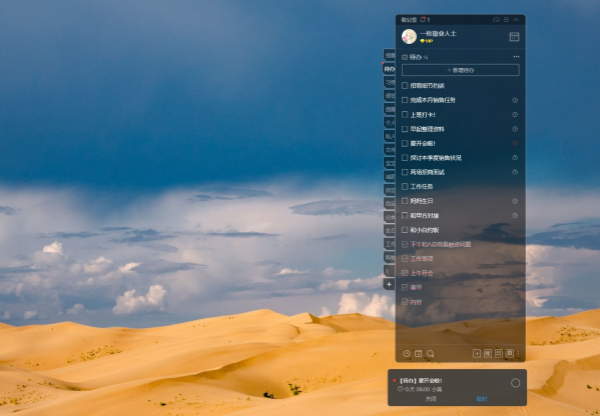
待办管理软件电脑版哪个好?待办事项清单app
在快节奏的现代社会中,有效地管理时间和任务变得越来越重要。很多人喜欢使用待办管理软件来协助整理琐碎事务、规划工作任务,以此提升工作效率。特别是对于上班族来说,一款能在电脑上便捷使用的待办软件,更是提升工作效率的得力助…...

【Mind+】掌控板入门教程01 “秀”出我创意
我们的好朋友麦乐佳即将举办一场派对,她要求每个参加派对的人都要佩戴一个可以彰显自己独特创意的装置。可以是会发光的帽子,可以是复古的电子表,还可以是其他有创意的作品。而现在,我们的手边刚好有一块掌控板,它自带…...

操作系统篇--八股文学习第十一天|进程调度算法你了解多少,进程间有哪些通信方式,解释一下进程同步和互斥,以及如何实现进程同步和互斥
进程调度算法你了解多少? 答: 先来先服务:按照请求的顺序进行调度。 这种调度方式简单,但是能导致较长作业阻塞较短作业。最短作业优先:非抢占式的调度算法,按估计运行时间最短的顺序进行调度。 但是如果…...

慢慢欣赏arm64内核启动6 primary_entry之el2_setup代码第三部分
分析代码 解析完虚拟化部分,我们继续分析启动过程中,对中断控制器的处理 #ifdef CONFIG_ARM_GIC_V3/* GICv3 system register access */mrs x0, id_aa64pfr0_el1ubfx x0, x0, #ID_AA64PFR0_GIC_SHIFT, #4cbz x0, 3fmrs_s x0, SYS_ICC_SRE_EL2orr x0, x…...

初谈Linux多线程--线程控制
文章目录 线程的概述理解线程Linux中的线程重新理解的进程Windows的线程线程的优点线程的缺点理解线程调度成本低 进程VS线程 线程控制创建线程等待线程线程函数传参线程的返回值新线程的返回值新线程返回值错误返回值为类对象 创建多线程线程的终止线程的分离pthread_detach 线…...

文件工具类 - FileUtils
Slf4j Component public class FileUtils {/*** 文件夹复制到指定的文件夹*/SneakyThrowspublic static void copyDir(File source, File target) {if (!target.exists()) {boolean mkdirs target.mkdirs();}if (source.isDirectory()) {File[] files source.listFiles();if …...

Kafka源码剖析-Producer基于内存缓存池分配ByteBuffer
文章目录 在将消息发送到内存缓中区之前做的准备工作发送消息前的准备工作代码示例源码分析1. **消息序列化**2. **元数据准备**3. **分区选择**4. **批处理准备**总结大致浏览一下源码中将消息写入内存缓冲的运行流程源码分析1. **消息序列化和创建记录批次**2. **确定分区**3…...

实习十九:学习笔记
上午 1、构建vue发行版本 [rootserver ~]# cd eleme_web/ [rootserver eleme_web]# npm run buid //项目未执行时运行该命令,创建发行版本 [rootserver eleme_web]# cd dist/ //dist中包含发行版本的所有文件 [rootserver dist]# ls css favicon.ico i…...

OrionX:革新GPU资源管理,助力AI开发团队高效运作
您的AI开发团队是否经常陷入这样的窘境: 人多卡少,GPU资源难以满足每个成员的需求? 当开发环境中需要变更GPU卡配置时,流程繁琐不堪,不得不关闭容器、重新配置再重启? 是否曾因GPU卡分配后未被充分利用而…...

RabbitMQ发送者重连、发送者确认
RabbitMQ发送者重连、发送者确认 一、发送者重连 spring:rabbitmq:connection-timeout: 1s #设置MQ的连接超时时间template:retry:enabled: true #开启超时重试机制initial-interval: 1000ms #失败后的初始等待时间multiplier: 1 #失败后下次的等待时长倍数,下次等…...

请转告HPC计算AI计算单位,选对存储事半功倍
U.2 NVMe全闪混合统一存储GS 5000U是Infortrend产品中一款高性能机型。得益于搭载强劲的第五代IntelXeon处理器,以及支持PCIe 5.0、NVMe-oF、100GbE等多种特点,GS 5000U单台块级性能可达50 GB/s的读、20 GB/s的写,以及1300K的IOPS;…...

[GYCTF2020]Blacklist1
打开题目 判断注入类型,输入1试试 输入2 输入1 判断为字符型注入 堆叠查询2;show databases;# 然后来输入2; show tables;#来查看数据库的表 然后我们通过FlagHere表来查看列输入2;show columns from FlagHere;# 来查看列 、 重新构造payload:0;HAND…...

Blackcat V2.2付费会员制WordPress资源站主题
Blackcat-付费会员制WordPress资源站主题,该主题是基于简约实用的主题选项框架 Codestar Framework 进行开发的功能强大的付费会员制主题,该主题尤其适合用于搭建付费下载资源网站,比如素材站、软件站、视频教程站等付费资源下载网站。 集成…...

动手学强化学习 第 18 章 离线强化学习 训练代码
基于 https://github.com/boyu-ai/Hands-on-RL/blob/main/%E7%AC%AC18%E7%AB%A0-%E7%A6%BB%E7%BA%BF%E5%BC%BA%E5%8C%96%E5%AD%A6%E4%B9%A0.ipynb 理论 离线强化学习 修改了警告和报错 运行环境 Debian GNU/Linux 12 Python 3.9.19 torch 2.0.1 gym 0.26.2 运行代码 CQL.…...

Python笔试面试题AI答之面向对象常考知识点
Python面向对象面试题面试题覆盖了Python面向对象编程(OOP)的多个重要概念和技巧,包括元类(Metaclass)、自省(Introspection)、面向切面编程(AOP)和装饰器、重载…...
)
【紧急预警】2026奇点语音助手协议栈存在CVE-2026-XXXX漏洞(NIST已确认,补丁将于大会闭幕前2小时发布)
第一章:【紧急预警】2026奇点语音助手协议栈存在CVE-2026-XXXX漏洞(NIST已确认,补丁将于大会闭幕前2小时发布) 2026奇点智能技术大会(https://ml-summit.org) CVE-2026-XXXX 是一个高危远程代码执行(RCE)…...

通宵上线别只拼项目进度,颈椎病腰间盘突出正在拖垮你!成因症状与科学诊疗指南。
对于程序员来说,通宵赶需求、熬夜上线是家常便饭。很多人觉得年轻就是资本,熬完夜补个觉就能恢复,却不知道连续高强度的工作正在给颈腰椎造成不可逆的损伤。临床数据显示,每月通宵超过 2 次的程序员,颈腰椎病发病率高达…...

终极Splash使用指南:轻松掌握HTML渲染、截图和HAR数据获取的强大工具
终极Splash使用指南:轻松掌握HTML渲染、截图和HAR数据获取的强大工具 【免费下载链接】splash Lightweight, scriptable browser as a service with an HTTP API 项目地址: https://gitcode.com/gh_mirrors/sp/splash Splash是一款轻量级、可编程的浏览器服务…...

Python自动化实现自动关机重启,告别加班后忘关电脑
不知道你有没有遇到过这种情况:下班了,电脑还在跑着下载或者编译,结果人走了电脑开了一整夜。或者临时有事要离开,想让电脑跑完任务自动关机。 今天分享一个我写了很久一直在用的自动化脚本——Python定时关机重启管理工具,支持: 定时关机 延迟关机 定时重启 取消关机 任…...

前端响应式设计进阶:从移动优先到自适应
前端响应式设计进阶:从移动优先到自适应 一、引言:别再把响应式设计当适配 "响应式设计不就是多写几个媒体查询吗?"——我相信这是很多前端开发者常说的话。 但事实是: 好的响应式设计可以提升移动用户体验50%以上响应式…...

RVC模型Anaconda环境配置详解:创建独立的Python开发环境
RVC模型Anaconda环境配置详解:创建独立的Python开发环境 每次开始一个新项目,尤其是像RVC(Retrieval-based Voice Conversion)这种涉及音频处理和机器学习的项目,最头疼的往往不是写代码,而是配环境。你是…...

【factoryio】虚拟工厂仿真中传感器信号异常的排查与修复
1. 虚拟工厂仿真中传感器信号异常现象解析 第一次用FactoryIO做虚拟工厂仿真时,我遇到了一个让人抓狂的问题:传感器触发后信号灯像蹦迪一样疯狂闪烁,传送带根本停不下来。这种异常现象在工业自动化仿真中特别常见,尤其是刚接触虚拟…...

CHORD-X视觉战术指挥系统互联网技术应用:基于WebRTC的低延迟视频指挥通信
CHORD-X视觉战术指挥系统互联网技术应用:基于WebRTC的低延迟视频指挥通信 1. 引言 想象一下,在应急指挥或战术协同现场,前线人员通过摄像头捕捉到关键画面,指挥中心需要立即看到并做出决策。传统的方式,可能是通过专…...

终极指南:如何在Windows系统上完整激活MacBook Touch Bar功能
终极指南:如何在Windows系统上完整激活MacBook Touch Bar功能 【免费下载链接】DFRDisplayKm Windows infrastructure support for Apple DFR (Touch Bar) 项目地址: https://gitcode.com/gh_mirrors/df/DFRDisplayKm 想要在Windows系统中完全解锁MacBook Pr…...

LinkSwift网盘直链解析工具:八大主流网盘高速下载的终极解决方案
LinkSwift网盘直链解析工具:八大主流网盘高速下载的终极解决方案 【免费下载链接】Online-disk-direct-link-download-assistant 一个基于 JavaScript 的网盘文件下载地址获取工具。基于【网盘直链下载助手】修改 ,支持 百度网盘 / 阿里云盘 / 中国移动云…...