
Elasticsearch,Logstash和Kibana安装部署(ELK Stack)

前言
当今数字化时代,信息的快速增长使得各类组织和企业面临着海量数据的处理和分析挑战。在这样的背景下,ELK Stack(Elasticsearch、Logstash 和 Kibana)作为一套强大的开源工具组合,成为了解决数据管理、搜索和可视化的首选方案。无论是监控日志、实时数据分析,还是构建仪表盘来监测业务指标,ELK Stack 都提供了一站式的解决方案。
ELK Stack 的每个组件都扮演着关键的角色:
- Elasticsearch: 作为分布式搜索和分析引擎,Elasticsearch 可以高效地存储、搜索和分析海量数据。其强大的全文搜索能力和分布式架构使得在海量数据中快速定位所需信息成为可能。
- Logstash: 这是一个用于数据收集、转换和传输的数据处理引擎。它能够从各种数据源中采集数据,经过处理后发送到 Elasticsearch 或其他目标。无论是日志、事件数据还是指标,Logstash 可以将数据标准化,并将其准确地传送到适当的位置。
- Kibana: 作为 ELK Stack 的可视化工具,Kibana 提供了直观友好的用户界面,让用户能够通过创建仪表盘、图表和可视化来探索、分析和展示数据。这使得即便对数据分析没有深入专业知识的人员,也能够从数据中提取有价值的见解。
在本文档中,我们将深入探讨如何安装、配置和使用 ELK Stack。
系统环境如下
系统:ubuntu20.04 LTS
硬件:8核12G 500G
安装JAVA
sudo apt-get update
#安装对应系统版本JDK,使用java --version查看相应jdk安装版本
apt install openjdk-16-jre-headless
添加ELK存储库
wget -qO - https://artifacts.elastic.co/GPG-KEY-elasticsearch | sudo apt-key add -
sh -c 'echo "deb https://artifacts.elastic.co/packages/8.x/apt stable main" > /etc/apt/sources.list.d/elastic-8.x.list'
更新软件源
apt-get update
安装Elasticsearch
apt-get install elasticsearch
安装完成加入开机启动并重启
sudo systemctl daemon-reload
systemctl enable elasticsearch.service && systemctl start elasticsearch.service
为elasticsearch生成密码作为登录使用,用户名是elastic,密码会在屏幕随机生成。
cd /usr/share/elasticsearch && bin/elasticsearch-reset-password -u elastic
注意备份elasticsearch原始文件,以防丢失想要恢复无法恢复。
cp /etc/elasticsearch/elasticsearch.yml /etc/elasticsearch/elasticsearch.yml.bak
生成Enrollment token,第一次登录时候需要验证。
cd /usr/share/elasticsearch && bin/elasticsearch-create-enrollment-token --scope kibana
安装Kibana
apt install kibana
systemctl enable kibana.service && systemctl start kibana.service
systemctl stop kibana.service && systemctl start kibana.service
生成Enrollment token后所需要的验证码
cd /usr/share/kibana/ && bin/kibana-verification-code
注意ELK中所说的L是指Logstash,本文以安装filebeat为收集工具。
Logstash 和 Filebeat 都是用于数据收集和传输的工具,但它们在功能和使用方面有一些区别。以下是它们之间的主要区别:
Logstash:
Logstash 是一个功能强大的数据收集、转换和传输引擎。它的主要功能是将不同来源的数据(如日志、事件、指标等)收集起来,进行过滤、解析、转换,然后将处理后的数据发送到指定的目标,如 Elasticsearch、其他存储系统或分析工具。Logstash 的主要特点包括:
- 数据处理能力: Logstash 提供了丰富的插件,能够对数据进行多种处理,如解析、过滤、标准化等,以确保数据在传输之前得到适当的处理。
- 多样的数据源: Logstash 可以从多种数据源中采集数据,包括日志文件、网络流量、消息队列等,使得它在处理各种数据类型和格式时非常有用。
- 数据传输: Logstash 可以将处理后的数据发送到多种目标,如 Elasticsearch、文件、消息队列等,以满足不同的数据存储和分析需求。
- 灵活性: Logstash 的配置非常灵活,您可以通过配置文件定义数据流的各个阶段,从而实现高度定制化的数据处理流程。
Filebeat:
Filebeat 是一个轻量级的日志数据传输工具,专门用于从文件系统中收集日志数据并将其传输到中央存储或分析系统。它的主要特点包括:
- 轻量级: Filebeat 被设计为轻量级工具,占用资源较少,适用于部署在资源有限的环境中。
- 实时性: Filebeat 可以实时监测日志文件的变化,一旦日志发生更新,它会立即传输变更的部分,确保实时性。
- 简化的数据处理: Filebeat 的主要功能是将日志数据收集并传输,而数据处理方面的功能较弱。它不像 Logstash 那样能进行复杂的数据解析和处理。
- 易于部署: 由于 Filebeat 轻量级的特点,它适用于分布式部署和轻松扩展。
总之,Logstash 更适合需要对数据进行复杂处理和转换的场景,而 Filebeat 则适用于轻量级、实时的日志传输需求。在实际应用中,可以根据具体需求选择使用 Logstash、Filebeat,或两者的结合,以构建适合的数据收集和传输方案。
安装filebeat采集工具
curl -L -O https://artifacts.elastic.co/downloads/beats/filebeat/filebeat-8.9.0-amd64.deb
dpkg -i filebeat-8.9.0-amd64.deb
systemctl start filebeat && systemctl enable filebeat
安装完检查对应软件status是否正常,接下来开始配置
elasticsearch配置
vi /etc/elasticsearch/elasticsearch.yml
这里主要主机端口号
network.host: 127.0.0.1
http.port: 9200
全部配置如下,仅供参考。
# ======================== Elasticsearch Configuration =========================
#
# NOTE: Elasticsearch comes with reasonable defaults for most settings.
#       Before you set out to tweak and tune the configuration, make sure you
#       understand what are you trying to accomplish and the consequences.
#
# The primary way of configuring a node is via this file. This template lists
# the most important settings you may want to configure for a production cluster.
#
# Please consult the documentation for further information on configuration options:
# https://www.elastic.co/guide/en/elasticsearch/reference/index.html
#
# ---------------------------------- Cluster -----------------------------------
#
# Use a descriptive name for your cluster:
#
#cluster.name: my-application
#
# ------------------------------------ Node ------------------------------------
#
# Use a descriptive name for the node:
#
#node.name: node-1
#
# Add custom attributes to the node:
#
#node.attr.rack: r1
#
# ----------------------------------- Paths ------------------------------------
#
# Path to directory where to store the data (separate multiple locations by comma):
#
path.data: /var/lib/elasticsearch
#
# Path to log files:
#
path.logs: /var/log/elasticsearch
#
# ----------------------------------- Memory -----------------------------------
#
# Lock the memory on startup:
#
#bootstrap.memory_lock: true
#
# Make sure that the heap size is set to about half the memory available
# on the system and that the owner of the process is allowed to use this
# limit.
#
# Elasticsearch performs poorly when the system is swapping the memory.
#
# ---------------------------------- Network -----------------------------------
#
# By default Elasticsearch is only accessible on localhost. Set a different
# address here to expose this node on the network:
#
#network.host: 192.168.0.1
#
# By default Elasticsearch listens for HTTP traffic on the first free port it
# finds starting at 9200. Set a specific HTTP port here:
#
#http.port: 9200
network.host: 127.0.0.1
http.port: 9200
#
# For more information, consult the network module documentation.
#
# --------------------------------- Discovery ----------------------------------
#
# Pass an initial list of hosts to perform discovery when this node is started:
# The default list of hosts is ["127.0.0.1", "[::1]"]
#
#discovery.seed_hosts: ["host1", "host2"]
#
# Bootstrap the cluster using an initial set of master-eligible nodes:
#
#cluster.initial_master_nodes: ["node-1", "node-2"]
#
# For more information, consult the discovery and cluster formation module documentation.
#
# ---------------------------------- Various -----------------------------------
#
# Allow wildcard deletion of indices:
#
#action.destructive_requires_name: false#----------------------- BEGIN SECURITY AUTO CONFIGURATION -----------------------
#
# The following settings, TLS certificates, and keys have been automatically
# generated to configure Elasticsearch security features on 09-08-2023 02:38:11
#
# --------------------------------------------------------------------------------# Enable security features
xpack.security.enabled: truexpack.security.enrollment.enabled: true# Enable encryption for HTTP API client connections, such as Kibana, Logstash, and Agents
xpack.security.http.ssl:enabled: truekeystore.path: certs/http.p12# Enable encryption and mutual authentication between cluster nodes
xpack.security.transport.ssl:enabled: trueverification_mode: certificatekeystore.path: certs/transport.p12truststore.path: certs/transport.p12
# Create a new cluster with the current node only
# Additional nodes can still join the cluster later
cluster.initial_master_nodes: ["ubuntu"]# Allow HTTP API connections from anywhere
# Connections are encrypted and require user authentication
http.host: 0.0.0.0
#logger.org.elasticsearch: "ERROR"# Allow other nodes to join the cluster from anywhere
# Connections are encrypted and mutually authenticated
#transport.host: 0.0.0.0#----------------------- END SECURITY AUTO CONFIGURATION -------------------------
kibana配置
# For more configuration options see the configuration guide for Kibana in
# https://www.elastic.co/guide/index.html# =================== System: Kibana Server ===================
# Kibana is served by a back end server. This setting specifies the port to use.
#server.port: 5601# Specifies the address to which the Kibana server will bind. IP addresses and host names are both valid values.
# The default is 'localhost', which usually means remote machines will not be able to connect.
# To allow connections from remote users, set this parameter to a non-loopback address.
server.host: "123.58.97.169"# Enables you to specify a path to mount Kibana at if you are running behind a proxy.
# Use the `server.rewriteBasePath` setting to tell Kibana if it should remove the basePath
# from requests it receives, and to prevent a deprecation warning at startup.
# This setting cannot end in a slash.
#server.basePath: ""# Specifies whether Kibana should rewrite requests that are prefixed with
# `server.basePath` or require that they are rewritten by your reverse proxy.
# Defaults to `false`.
#server.rewriteBasePath: false# Specifies the public URL at which Kibana is available for end users. If
# `server.basePath` is configured this URL should end with the same basePath.
#server.publicBaseUrl: ""# The maximum payload size in bytes for incoming server requests.
#server.maxPayload: 1048576# The Kibana server's name. This is used for display purposes.
#server.name: "your-hostname"# =================== System: Kibana Server (Optional) ===================
# Enables SSL and paths to the PEM-format SSL certificate and SSL key files, respectively.
# These settings enable SSL for outgoing requests from the Kibana server to the browser.
#server.ssl.enabled: false
#server.ssl.certificate: /path/to/your/server.crt
#server.ssl.key: /path/to/your/server.key# =================== System: Elasticsearch ===================
# The URLs of the Elasticsearch instances to use for all your queries.
#elasticsearch.hosts: ["http://localhost:9200"]# If your Elasticsearch is protected with basic authentication, these settings provide
# the username and password that the Kibana server uses to perform maintenance on the Kibana
# index at startup. Your Kibana users still need to authenticate with Elasticsearch, which
# is proxied through the Kibana server.
#elasticsearch.username: "kibana_system"
#elasticsearch.password: "pass"# Kibana can also authenticate to Elasticsearch via "service account tokens".
# Service account tokens are Bearer style tokens that replace the traditional username/password based configuration.
# Use this token instead of a username/password.
# elasticsearch.serviceAccountToken: "my_token"# Time in milliseconds to wait for Elasticsearch to respond to pings. Defaults to the value of
# the elasticsearch.requestTimeout setting.
#elasticsearch.pingTimeout: 1500# Time in milliseconds to wait for responses from the back end or Elasticsearch. This value
# must be a positive integer.
#elasticsearch.requestTimeout: 30000# The maximum number of sockets that can be used for communications with elasticsearch.
# Defaults to `Infinity`.
#elasticsearch.maxSockets: 1024# Specifies whether Kibana should use compression for communications with elasticsearch
# Defaults to `false`.
#elasticsearch.compression: false# List of Kibana client-side headers to send to Elasticsearch. To send *no* client-side
# headers, set this value to [] (an empty list).
#elasticsearch.requestHeadersWhitelist: [ authorization ]# Header names and values that are sent to Elasticsearch. Any custom headers cannot be overwritten
# by client-side headers, regardless of the elasticsearch.requestHeadersWhitelist configuration.
#elasticsearch.customHeaders: {}# Time in milliseconds for Elasticsearch to wait for responses from shards. Set to 0 to disable.
#elasticsearch.shardTimeout: 30000# =================== System: Elasticsearch (Optional) ===================
# These files are used to verify the identity of Kibana to Elasticsearch and are required when
# xpack.security.http.ssl.client_authentication in Elasticsearch is set to required.
#elasticsearch.ssl.certificate: /path/to/your/client.crt
#elasticsearch.ssl.key: /path/to/your/client.key# Enables you to specify a path to the PEM file for the certificate
# authority for your Elasticsearch instance.
#elasticsearch.ssl.certificateAuthorities: [ "/path/to/your/CA.pem" ]# To disregard the validity of SSL certificates, change this setting's value to 'none'.
#elasticsearch.ssl.verificationMode: full# =================== System: Logging ===================
# Set the value of this setting to off to suppress all logging output, or to debug to log everything. Defaults to 'info'
#logging.root.level: debug# Enables you to specify a file where Kibana stores log output.
logging:appenders:file:type: filefileName: /var/log/kibana/kibana.loglayout:type: jsonroot:appenders:- default- file
#  layout:
#    type: json# Logs queries sent to Elasticsearch.
#logging.loggers:
#  - name: elasticsearch.query
#    level: debug# Logs http responses.
#logging.loggers:
#  - name: http.server.response
#    level: debug# Logs system usage information.
#logging.loggers:
#  - name: metrics.ops
#    level: debug# =================== System: Other ===================
# The path where Kibana stores persistent data not saved in Elasticsearch. Defaults to data
#path.data: data# Specifies the path where Kibana creates the process ID file.
pid.file: /run/kibana/kibana.pid# Set the interval in milliseconds to sample system and process performance
# metrics. Minimum is 100ms. Defaults to 5000ms.
#ops.interval: 5000# Specifies locale to be used for all localizable strings, dates and number formats.
# Supported languages are the following: English (default) "en", Chinese "zh-CN", Japanese "ja-JP", French "fr-FR".
#i18n.locale: "en"# =================== Frequently used (Optional)===================# =================== Saved Objects: Migrations ===================
# Saved object migrations run at startup. If you run into migration-related issues, you might need to adjust these settings.# The number of documents migrated at a time.
# If Kibana can't start up or upgrade due to an Elasticsearch `circuit_breaking_exception`,
# use a smaller batchSize value to reduce the memory pressure. Defaults to 1000 objects per batch.
#migrations.batchSize: 1000# The maximum payload size for indexing batches of upgraded saved objects.
# To avoid migrations failing due to a 413 Request Entity Too Large response from Elasticsearch.
# This value should be lower than or equal to your Elasticsearch cluster’s `http.max_content_length`
# configuration option. Default: 100mb
#migrations.maxBatchSizeBytes: 100mb# The number of times to retry temporary migration failures. Increase the setting
# if migrations fail frequently with a message such as `Unable to complete the [...] step after
# 15 attempts, terminating`. Defaults to 15
#migrations.retryAttempts: 15# =================== Search Autocomplete ===================
# Time in milliseconds to wait for autocomplete suggestions from Elasticsearch.
# This value must be a whole number greater than zero. Defaults to 1000ms
#unifiedSearch.autocomplete.valueSuggestions.timeout: 1000# Maximum number of documents loaded by each shard to generate autocomplete suggestions.
# This value must be a whole number greater than zero. Defaults to 100_000
#unifiedSearch.autocomplete.valueSuggestions.terminateAfter: 100000
i18n.locale: "zh-CN"# This section was automatically generated during setup.
elasticsearch.hosts: ['https://123.58.97.169:9200']
elasticsearch.serviceAccountToken: AAEAAWVsYXN0aWMva2liYW5hL2Vucm9sbC1wcm9jZXNzLXRva2VuLTE2OTE1NDk3NTYyNDE6NE55LU1IdVFRRTY0UkVpUloyZDhQdw
elasticsearch.ssl.certificateAuthorities: [/var/lib/kibana/ca_1691549757740.crt]
xpack.fleet.outputs: [{id: fleet-default-output, name: default, is_default: true, is_default_monitoring: true, type: elasticsearch, hosts: ['https://123.58.97.169:9200'], ca_trusted_fingerprint: 27991095e8dddf17d06a00968bd1b693fc906ea2d52d9f5563134505625791f1}]
常见问题
1、为什么我添加了仪表盘面板不显示?
答:当确保索引配置都正确的同时,不要忘记“sudo filebeat setup”初始化面板。执行初始化即可。
2、安装了filebeat,启用和配置 system 模块后,模块状态点击检查数据 显示“未连接”
答:造成此现象是filebeat的系统配置modules.d/system.yml文件未正确配置文件集,也就是找不到文件路径。配置正确后,systemctl status filebeat 查看运行状态并检查是否有错误日志。
3、为什么在索引管理里删除不了索引?
答:删除索引需要先暂停数据源服务,例如使用filebeat,需要先systemctl stop filebeat ,随后点击索引管理里的数据流,点击删除数据流即可删除数据流里的索引。
相关文章:
Elasticsearch,Logstash和Kibana安装部署(ELK Stack)
前言 当今数字化时代,信息的快速增长使得各类组织和企业面临着海量数据的处理和分析挑战。在这样的背景下,ELK Stack(Elasticsearch、Logstash 和 Kibana)作为一套强大的开源工具组合,成为了解决数据管理、搜索和可视…...

MATLAB中movmean函数用法
目录 语法 说明 示例 向量的中心移动平均值 向量的尾部移动平均值 矩阵的移动平均值 包含缺失值的向量的移动平均值 基于样本点计算移动平均值 仅返回满窗口平均值 movmean函数的功能是对数据进行移动求平均值。 语法 M movmean(A,k) M movmean(A,[kb kf]) M mov…...
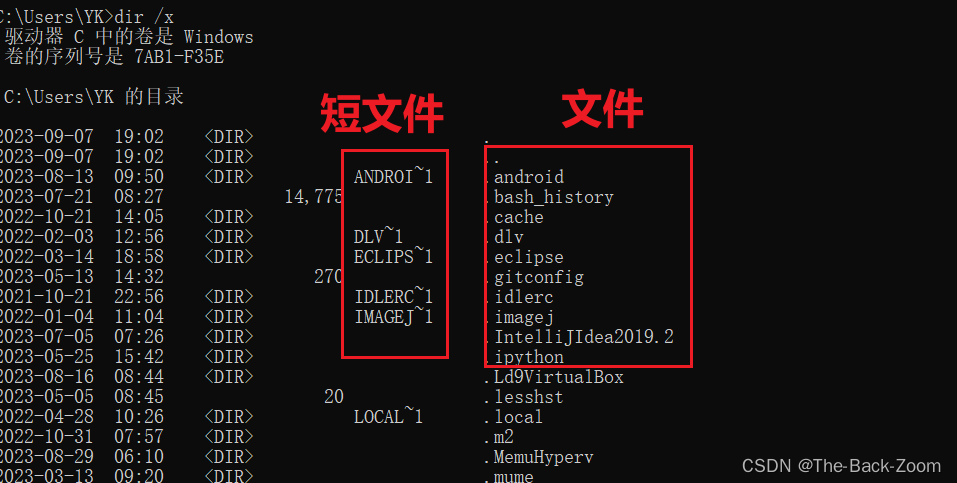
IIS短文件名泄露漏洞复现
IIS短文件名泄露漏洞复现 前言一、漏洞描述二、漏洞原理1.什么是短文件2.短文件特征 三、漏洞验证三、漏洞防御总结 前言 IIS短文件名泄露漏洞比较老了,而且只适合于windowsiisasp的网络结构,所有如下的复现步骤看下就行了,关键是要弄懂原理…...

万字解读 Android 车机核心 :CarService 的构成和链路~
前言 关于 Android 车机,之前分析过方控上自定义按键的输入机制和中控上旋钮输入的原理,但都局限于 Car Service 内 Input 相关模块。 一文了解 Android 车机如何处理中控的旋钮输入从实体按键看 Android 车载的自定义事件机制 本文将结合 Android 系…...

C#使用Panel
using System; using System.Collections.Generic; using System.ComponentModel; using System.Data; using System.Drawing; using System...
)
Jabbi的Rust学习日记(一)
Rust环境安装 Windows:Install Rust - Rust Programming Language (rust-lang.org) 访问网页,下载64bit | 32bit 版本 下载完成后打开,直接enter即可 Linux:输入指令 curl https://sh.rustup.rs-sSf | sh 我会报错,好像是链接不到这个网址&a…...
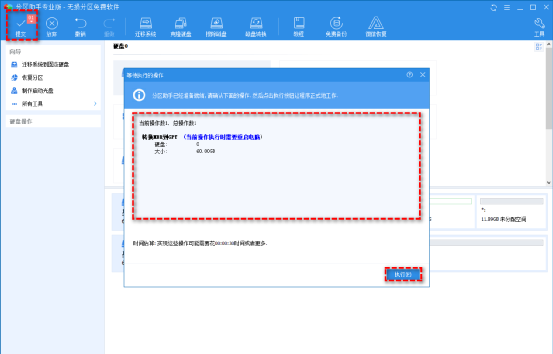
电脑磁盘分区形式是什么?如何更改?
磁盘分区形式介绍 在了解为什么以及如何更改分区形式之前,让我们对磁盘分区形式有一个基本的了解。一般来说,分区形式是指主引导记录(MBR)和 GUID 分区表(GPT)。 MBR和GPT是Windows系统中常用…...

Outlook无需API开发连接钉钉群机器人,实现新增会议日程自动发送群消息通知
Outlook用户使用场景: 在企业中,会议和活动的顺利举行对于业务运转和团队协作至关重要。然而,计划的变动总是无法避免,这可能会导致其他人的计划受到影响,打乱原有的安排。为了解决这个问题,许多企业开始使…...
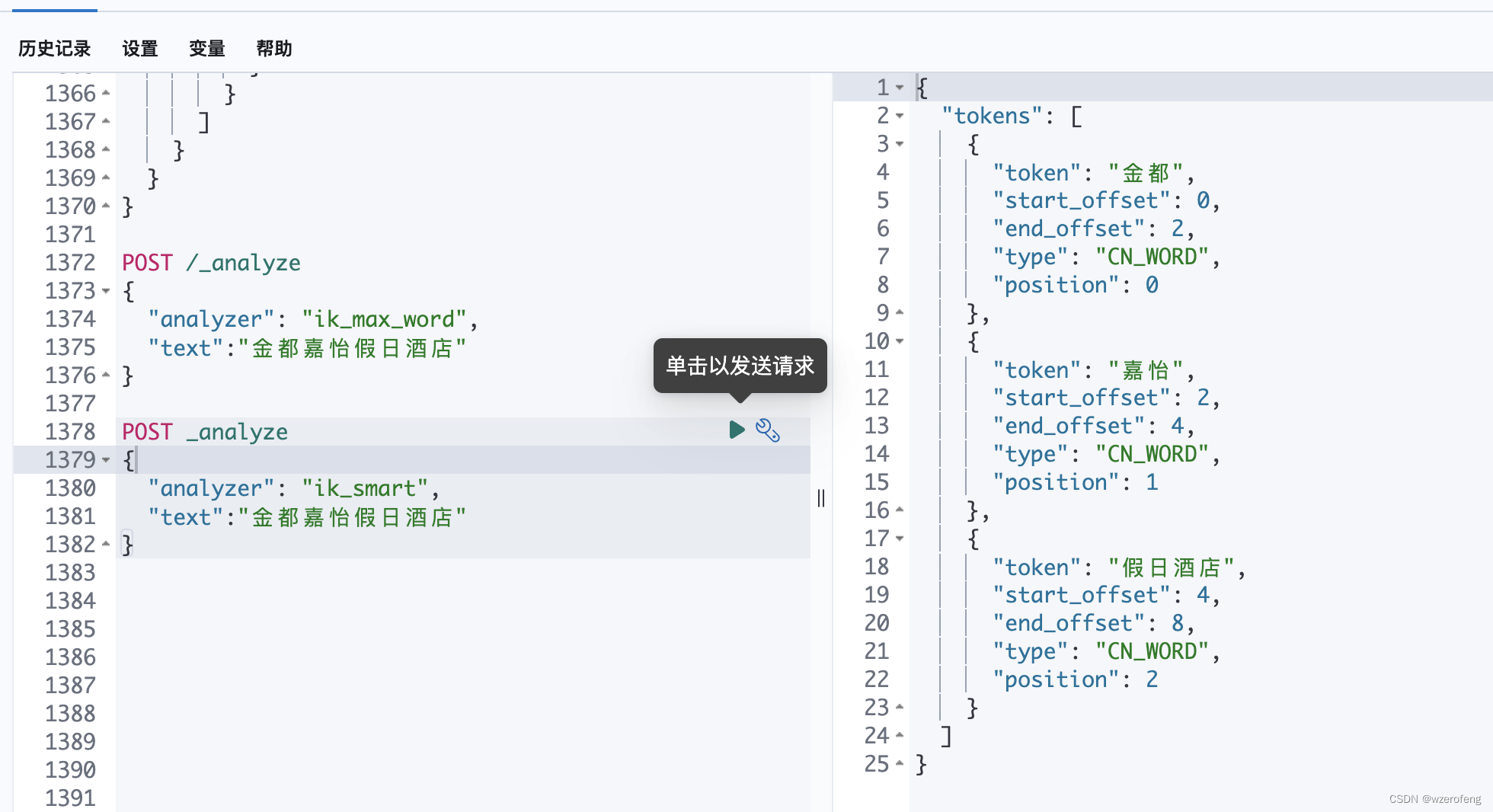
elasticsearch分析插件 安装analysis-ik
首先下载安装es 和 插件 ,注意 两者的版本要保持一致,如果要用到kibana 则三者保持一致 ik:https://github.com/medcl/elasticsearch-analysis-ik/releases es/kibana:https://www.elastic.co/cn/downloads/past-releases/ 然后在 es— elast…...
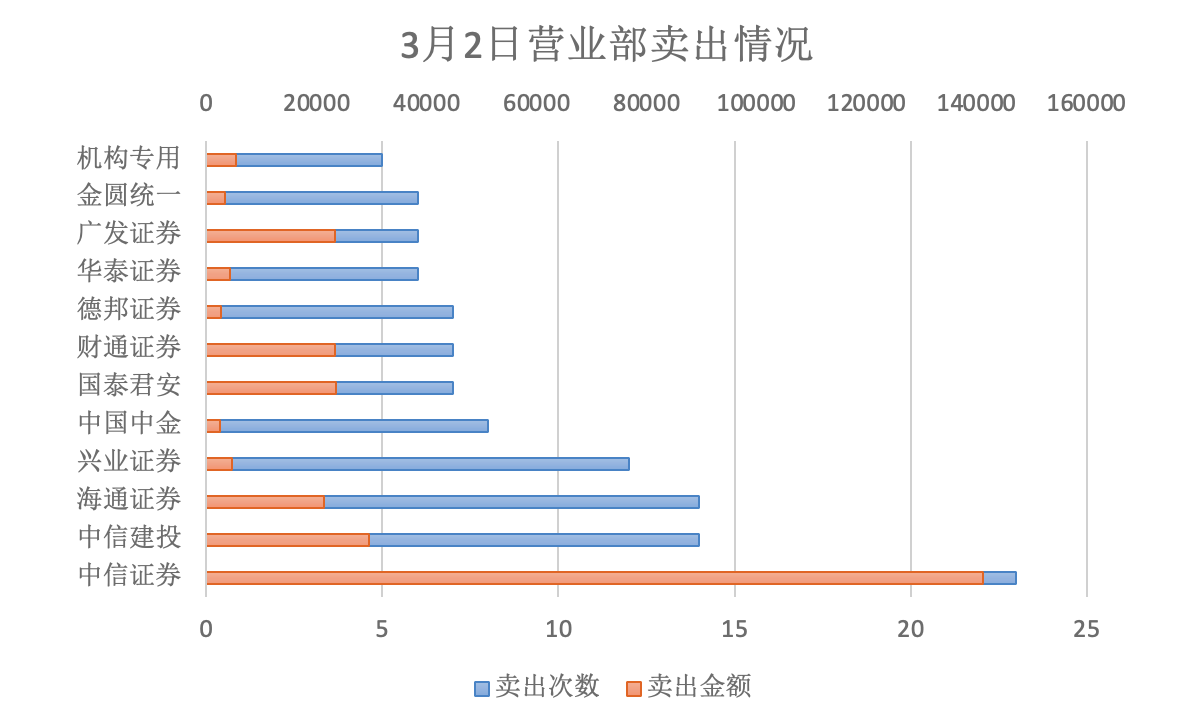
2023年股票大宗减持研究报告
第一章 股票大宗减持概述 1.1 概念 大宗减持是指通过大宗交易的方式进行减持,即达到规定的最低限额的证券单笔买卖申报,买卖双方经过协议达成一致并经交易所确定成交的证券交易,其中A股单笔交易数量在30万股(含)以上…...
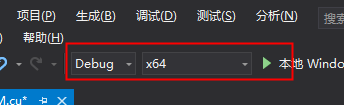
VS编译.cu文件源文件无法打开matrix.h和mex.h问题
配置好cu和VS相关库文件后CUDA程序仍然报错:无法打开matrix.h和mex.h,解决办法: (1)这两个头文件是matlab中的,可能无法直接在VS中调用,可以通过添加外部依赖项的方法将matlab中的头文件的文件路…...
)
小bugs搜集和解决方法,亲测有效(2022-2023)
有些小bugs几行指令就能解决,写太多不好,这里就进行一个2022-2023这段时间的bugs collection和solution。 Deep Learning How to make really empty tensor? a nn.Torch([]) b torch.empty(2,3) for i in rang(3):a torch.cat(a, b, dim0)Mismatc…...
归并排序和快速排序的两种实现
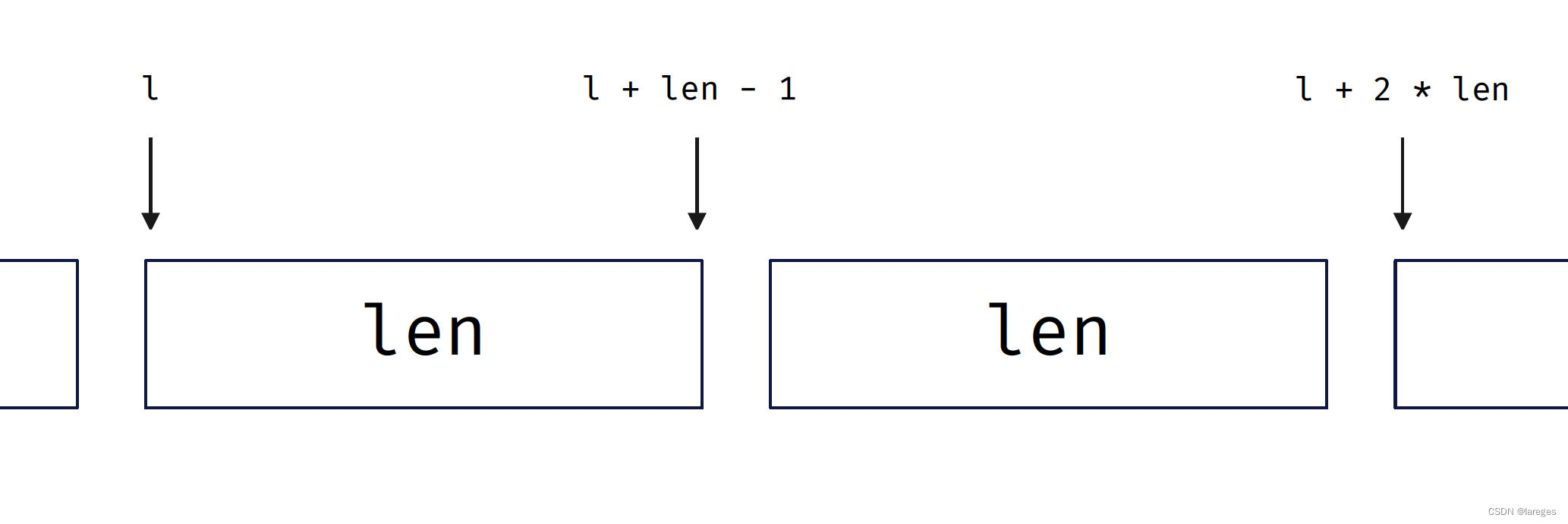
在此之前我们已经介绍过归并排序和快速排序:浅谈归并排序与快速排序,但其中的实现都是基于递归的。本文将重新温故这两种算法并给出基于迭代的实现。 目录 1. 归并排序1.1 基于递归1.2 基于迭代 2. 快速排序2.1 基于递归2.2 基于迭代 1. 归并排序 1.1 基…...

C#,《小白学程序》第十四课:随机数(Random)第一,几种随机数的计算方法与代码
1 文本格式 /// <summary> /// 《小白学程序》第十四课:随机数(Random)第一,几种随机数的计算方法与代码 /// 本课初步接触一下随机数。 /// </summary> /// <param name"sender"></param> ///…...

[杂谈]-快速了解Modbus协议
快速了解Modbus协议 文章目录 快速了解Modbus协议1、为何 Modbus 如此受欢迎2、范围和数据速率3、逻辑电平4、层数5、网络与通讯6、数据帧格式7、数据类型8、服务器如何存储数据9、总结 Modbus 是一种流行的低速串行通信协议,广泛应用于自动化行业。 该协议由 Mo…...
WhatsApp的两个商业模式该如何选择
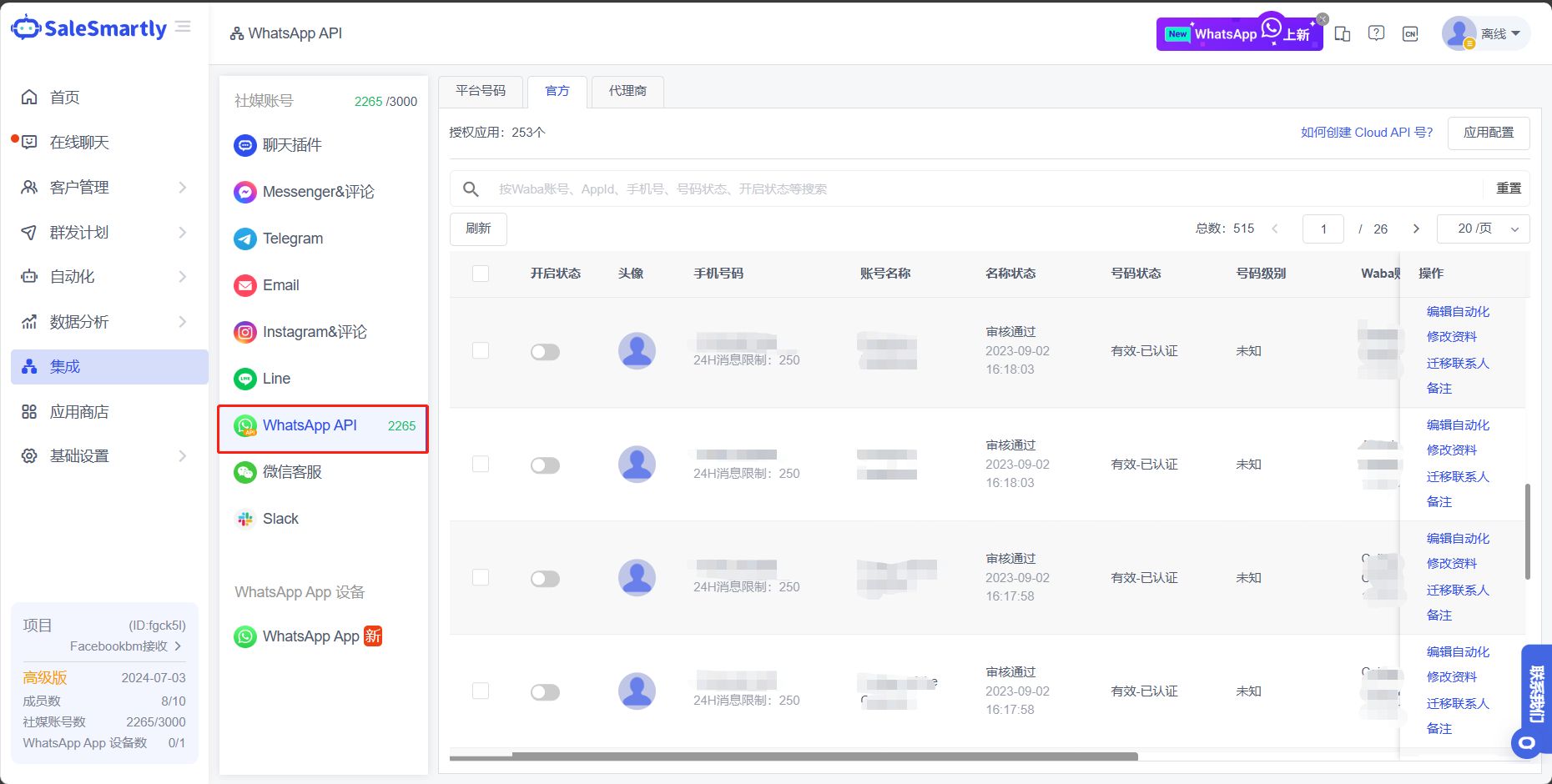
WhatsApp Business 是什么 目前 WhatsApp 提供两种商业模式,企业应根据自身需求选择相应版本。 第一个版本是 WhatsApp Business:初创企业只需一个手机应用程序,便可以个体单位与客户轻松互动; 另一个版本是 WhatsApp Business APIÿ…...
动态表单设计
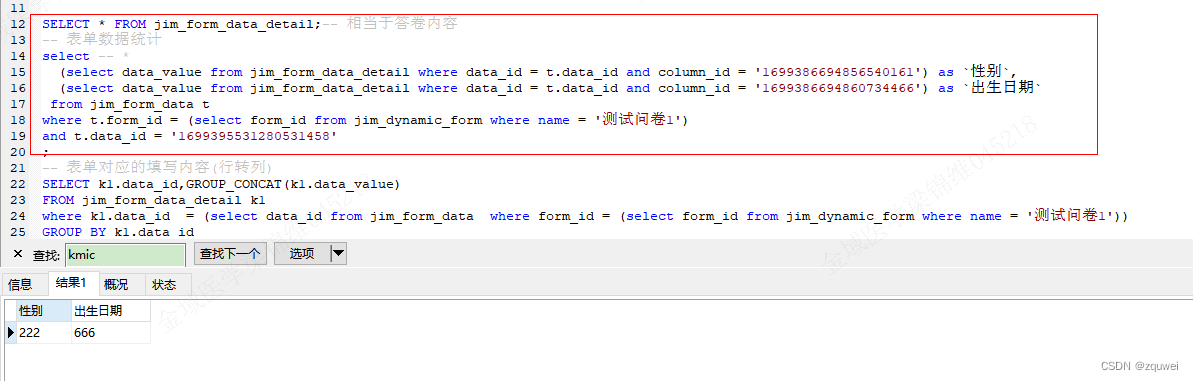
动态表单设计 背景方案讨论基于上面分析,对比调研,自定义动态表单数据模型表单详解(一) 表单模板:jim_dynamic_form(二)表单数据类型:jim_form_data_type(三)…...

JAR will be empty - no content was marked for inclusion!
现象 在对自建pom依赖组件打包时,出现JAR will be empty - no content was marked for inclusion!错误。 方案 在pom中怎么加packaging标签内容为pom,标识只打包pom文件 <?xml version"1.0" encoding"UTF-8"?> ...<grou…...
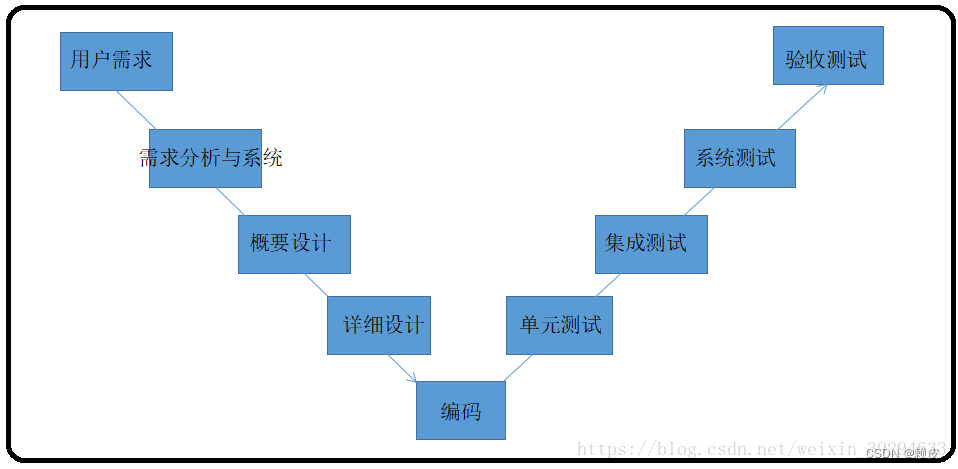
软件生命周期及流程【软件测试】
软件的生命周期 软件生命周期是软件开始研制到最终被废弃不用所经历的各个阶段。 瀑布型生命周期模型 规定了它们自上而下、相互衔接的固定次序,如同瀑布流水,逐级下落,具有顺序性和依赖性。每个阶段规定文档并需进行评审。 特点ÿ…...

2023高教社杯数学建模E题思路代码 - 黄河水沙监测数据分析
# 1 赛题 E 题 黄河水沙监测数据分析 黄河是中华民族的母亲河。研究黄河水沙通量的变化规律对沿黄流域的环境治理、气候变 化和人民生活的影响, 以及对优化黄河流域水资源分配、协调人地关系、调水调沙、防洪减灾 等方面都具有重要的理论指导意义。 附件 1 给出了位…...

消息防撤回工具RevokeMsgPatcher技术指南:从原理到实践
消息防撤回工具RevokeMsgPatcher技术指南:从原理到实践 【免费下载链接】RevokeMsgPatcher :trollface: A hex editor for WeChat/QQ/TIM - PC版微信/QQ/TIM防撤回补丁(我已经看到了,撤回也没用了) 项目地址: https://gitcode.c…...

1.47寸ST7789V3彩色TFT LCD嵌入式驱动详解
1. 1.47寸彩色TFT LCD模块硬件与驱动技术解析1.1 模块核心规格与硬件架构1.47寸彩色TFT LCD模块是一款面向嵌入式系统设计的紧凑型显示单元,其物理尺寸为30mm(高)37mm(宽),采用标准2.54mm间距排针接口&…...

手机上安装openclaw需要注意什么安全问题吗?
根据个人在自己手机上安装经验给红米手机安装的一点经验!!! 首先 在红米手机上安装OpenClaw,确实需要认真考虑安全问题。这主要是因为OpenClaw拥有极高的系统权限,而手机又存储了大量个人敏感信息,加上安卓系统的特殊性,风险会比在电脑上更高一些。 其次 我把主要风…...

用Weisfeiler-Lehman 图核 计算solidworks零件的拓扑相似度
相似度分析报告 TOP-5 最相似零件对:1. ZC6001.SLDPRT <-> ZC698.SLDPRT: 1.0000 (100.00%)2. .01-111.SLDPRT <-> .30.00-36.4..SLDPRT: 1.0000 (100.00%)3. ZC6001.SLDPRT <-> ZC6904.SLDPRT: 1.0000 (100.00%)4. ZC6001.SLDPRT <-> ZC6902.SLDPRT: …...

PWM原理与工程实现:从伏秒积到电机调速全解析
1. PWM原理与工程实现深度解析1.1 PWM的本质:伏秒积守恒的功率控制思想脉冲宽度调制(Pulse Width Modulation,PWM)并非简单的开关信号,而是一种基于能量守恒原理的功率调控技术。其核心在于:在固定周期内&a…...

Qwen3-32B-Chat效果展示:RTX4090D上多轮中文对话、代码生成、逻辑推理真实案例
Qwen3-32B-Chat效果展示:RTX4090D上多轮中文对话、代码生成、逻辑推理真实案例 1. 开箱即用的高性能大模型体验 Qwen3-32B-Chat 私有部署镜像专为RTX4090D 24G显存环境深度优化,基于CUDA12.4和驱动550.90.07打造,提供开箱即用的大模型推理体…...

实时着色演示:cv_unet_image-colorization在视频流中的逐帧处理应用
实时着色演示:cv_unet_image-colorization在视频流中的逐帧处理应用 最近在做一个老视频修复的项目,偶然间接触到了一个挺有意思的技术:用AI模型给黑白视频实时上色。这听起来像是电影里的特效,但现在通过一些开源模型࿰…...

Anaconda环境下的百川2-13B模型开发与调试教程
Anaconda环境下的百川2-13B模型开发与调试教程 如果你对百川2-13B这样的大模型感兴趣,想自己动手试试,但又担心搞乱电脑里现有的Python环境,那这篇文章就是为你准备的。很多朋友在初次接触大模型开发时,最头疼的不是写代码&#…...

WPF集成ScottPlot 5.0实现图表交互与实时坐标捕获
1. WPF与ScottPlot 5.0的完美结合 在数据可视化领域,WPF(Windows Presentation Foundation)凭借其强大的UI渲染能力和灵活的布局系统,一直是开发桌面应用程序的首选框架之一。而ScottPlot作为一个轻量级、高性能的图表库ÿ…...

ChromePass:3分钟找回Chrome浏览器所有密码的完整指南
ChromePass:3分钟找回Chrome浏览器所有密码的完整指南 【免费下载链接】chromepass Get all passwords stored by Chrome on WINDOWS. 项目地址: https://gitcode.com/gh_mirrors/chr/chromepass 你是否曾经在登录重要网站时,明明记得Chrome保存过…...